This bill establishes a new, tiered loan forgiveness schedule and streamlines the employment certification process for public service workers with newer federal student loans.
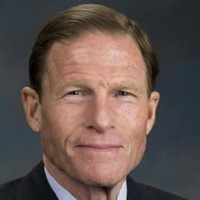
Richard Blumenthal
Senator
CT
This Act establishes the Strengthening Loan Forgiveness for Public Service Workers Act, which creates a new, tiered loan forgiveness schedule for newer public service loans. Borrowers will see increasing percentages of their loan balance canceled after reaching specific payment milestones, culminating in full forgiveness after 120 qualifying payments. The bill also streamlines the employment certification process and ensures that interest accruing during the application review period is canceled.
Public Service Loan Forgiveness Gets a Tiered Update: Borrowers Could See 15% Forgiveness After Just Two Years
The new Strengthening Loan Forgiveness for Public Service Workers Act overhauls the Public Service Loan Forgiveness (PSLF) program, but only for Federal Direct Loans taken out after this law is enacted. The big change? It scraps the old all-or-nothing approach and introduces a tiered system that provides partial loan forgiveness much earlier in a borrower’s career. The goal is to make public service careers—like teaching, nursing, or non-profit work—more financially sustainable and attractive by offering relief before the full 10-year commitment is up.
The New Pay-as-You-Go Forgiveness Schedule
Under the existing PSLF rules, you had to make 120 qualifying payments (10 years) before you saw a single penny of forgiveness. This bill changes the game for new loans by spreading that relief out. For those working full-time in public service, the bill mandates that the Secretary of Education must cancel a percentage of the loan balance at key milestones. Specifically, borrowers will see 15 percent of the original loan balance canceled after making 24, 48, 72, and 96 qualifying monthly payments while employed in a public service job. This means that after just four years (48 payments), you’ve wiped out 30% of your debt, and after eight years (96 payments), you’ve cleared 60%. After the full 120 payments (10 years), the remaining balance of principal and interest is automatically canceled.
This shift is huge for retention. Imagine a teacher working in a high-need school: under the current system, if they leave after five years, they get zero forgiveness. Under this new plan, they walk away with 30% of their debt gone. It’s a much-needed incentive that provides tangible financial relief every couple of years, making the long commitment feel less like a gamble.
Cutting the Red Tape and Interest Costs
Beyond the tiered structure, the bill also tackles two major administrative headaches. First, it streamlines the employment certification process. Historically, borrowers had to chase down paperwork from past employers—a notorious pain point that led to countless rejections. The bill now directs the Department of Education to try and certify a borrower’s employment independently, without requiring the borrower to submit forms, whenever possible. If they can’t confirm it automatically, then the borrower submits a simplified form. This small change could save thousands of hours of bureaucratic frustration for public service workers.
Second, the bill addresses interest accrual. If a portion of your loan is canceled in a given year, the interest that accrues on that loan for that entire year is also canceled. Even better, once a borrower applies for the final forgiveness, the Secretary must cancel any interest that accrues during the application review period. This prevents the frustrating situation where a borrower is waiting months for approval, only to see their balance creep up because of interest—a smart move that respects the borrower’s time and effort. The bill also requires the loan to be automatically placed in deferment while the final forgiveness is processed, ensuring no new payments are due during the waiting period.
The Catch: Two Systems Running at Once
While this bill is a major win for future public service workers, it creates a dual system that could cause confusion. Crucially, the new tiered forgiveness schedule only applies to Federal Direct Loans made after the date this law is enacted. If you took out your loans last year, or even the day before this bill becomes law, you are stuck under the old rules: 120 payments, then full forgiveness. You don't get the benefit of the new tiered relief.
This means the Department of Education will be running two separate, complex PSLF programs simultaneously. For busy people, understanding which set of rules applies to their specific loans—especially if they have loans from different years—will require careful attention. The bill’s intent to streamline certification is good, but the language around the Secretary’s ability to confirm employment “independently” is currently vague. The success of this provision hinges entirely on the Department building a robust, transparent system for automatic verification, otherwise, it just becomes a new layer of complexity.