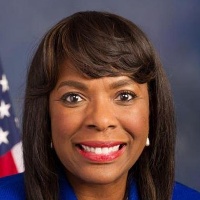
Legislative Activity
Track Terri's sponsored bills, co-sponsored legislation, and voting record
This Act expands FEMA disaster assistance to cover all moisture damage in flood-damaged basements and increases coverage under the Group Flood Insurance Policy.
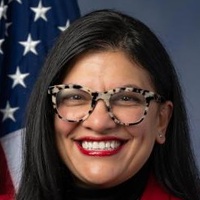
Rashida Tlaib
Representative
MI
Rashida Tlaib
Representative
MI
The Fix Our Flooded Basements Act of 2025 significantly expands FEMA disaster assistance for flood-damaged basements, covering mold and moisture damage beyond just habitable areas. It mandates increased personal property aid for basement contents, aligning it with Standard Flood Insurance Policy levels. Furthermore, the bill updates the Group Flood Insurance Policy to offer broader eligibility and comprehensive coverage for real and personal property within basements.
The RAP Act of 2025 generally prohibits the use of a defendant's creative or artistic expressions as evidence in court unless the prosecution meets a high burden of proof demonstrating the work's literal relevance to the case.

Henry Johnson
Representative
GA
Henry Johnson
Representative
GA
The Restoring Artistic Protection Act of 2025 (RAP Act) seeks to limit the admissibility of a defendant's creative or artistic expression in court proceedings. This bill adds a new rule to the Federal Rules of Evidence, generally banning the use of a defendant's art as evidence against them. The government can only introduce such evidence if it meets strict exceptions requiring clear and convincing proof that the art directly relates to the facts of the case and possesses unique evidentiary value. If admitted, the court must provide specific instructions to the jury regarding its consideration.
This act establishes a new, potentially transferable, refundable tax credit of up to $15,000 for first-time homebuyers, subject to income, price limits, and a four-year recapture provision.
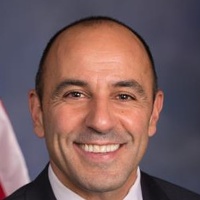
Jimmy Panetta
Representative
CA
Jimmy Panetta
Representative
CA
The First-Time Homebuyer Tax Credit Act of 2025 establishes a new, refundable tax credit for eligible first-time homebuyers, equal to 10% of the purchase price, up to a maximum of $15,000. This credit is subject to income and home price phase-outs based on local median figures. Homebuyers may elect to transfer this credit directly to their mortgage lender at closing in exchange for immediate cash. The bill also includes recapture provisions requiring repayment if the home is sold within four years.
This Act establishes a corporate tax rate reduction for qualifying U.S. corporations that implement broad-based employee stock ownership plans, while also making the distributed stock tax-free to the employees upon receipt.
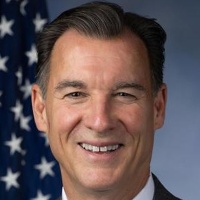
Thomas Suozzi
Representative
NY
Thomas Suozzi
Representative
NY
The Share Holder Allocation for Rewards to Employees Plan Act (SHARE Plan Act) establishes a new corporate tax incentive for U.S. companies that distribute a significant amount of their stock equity to employees through formal, broad-based plans. Eligible "SHARE corporations" receive a 3 percentage point reduction in their corporate income tax rate. Crucially, stock received by employees under a qualified SHARE plan is excluded from the employee's gross income for federal tax purposes. The bill sets strict requirements for plan structure, employee participation, and minimum equity distribution ratios to qualify for these benefits.
This Act prohibits the shackling and detention of pregnant and postpartum noncitizens except in extraordinary, narrowly defined circumstances, while mandating comprehensive healthcare access and staff training.
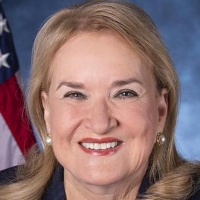
Sylvia Garcia
Representative
TX
Sylvia Garcia
Representative
TX
The Stop Shackling and Detaining Pregnant Women Act aims to significantly reform the detention of pregnant and postpartum noncitizens by establishing a presumption against their detention. This bill strictly limits the use of physical restraints on pregnant detainees and mandates comprehensive reproductive healthcare access. Furthermore, it requires detailed quarterly and annual reporting on the treatment and outcomes of pregnant individuals in custody.
This resolution supports the designation of the third annual "National Community Health Worker Awareness Week" to recognize the vital role Community Health Workers play in bridging health services and communities.
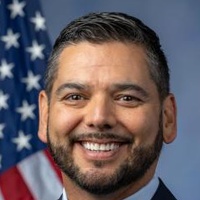
Raul Ruiz
Representative
CA
Raul Ruiz
Representative
CA
This resolution officially supports the designation of the third annual "National Community Health Worker Awareness Week" to recognize the vital role of Community Health Workers (CHWs). It highlights how CHWs serve as trusted cultural bridges connecting diverse communities to essential health and social services. The bill emphasizes the need for sustainable funding to support this proven workforce, which improves health outcomes nationwide.
This bill updates the eligibility requirements for creating records of lawful admission for long-term residents by changing the qualifying entry date to a minimum of seven years of U.S. residency prior to application.
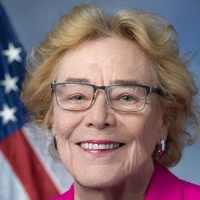
Zoe Lofgren
Representative
CA
Zoe Lofgren
Representative
CA
This bill, the Renewing Immigration Provisions of the Immigration Act of 1929, updates the eligibility requirements for creating records of lawful admission for long-term residents. It replaces a fixed entry date with a new standard requiring applicants to have resided in the U.S. for at least seven years prior to applying. These revised provisions will take effect 60 days after the Act is enacted.
This Act prohibits insurance companies from discriminating against living organ donors when issuing life, disability, or long-term care policies and mandates the updating of educational materials regarding donation risks and insurance implications.
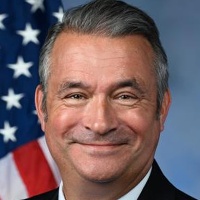
Don Bacon
Representative
NE
Don Bacon
Representative
NE
The Living Donor Protection Act of 2025 prohibits life, disability, and long-term care insurance companies from denying coverage or increasing premiums solely because an individual is a living organ donor. This legislation ensures that living donors are not financially penalized for their altruistic act. Additionally, the bill requires the Secretary of HHS to update educational materials to accurately reflect the insurance protections afforded to living donors.
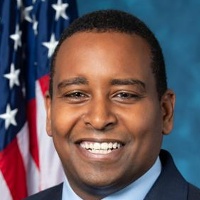
Ally's Act mandates that certain private health insurance plans must cover auditory implant devices, related services, and upgrades for qualifying individuals without imposing stricter cost-sharing or treatment limitations than other medical benefits.
Joe Neguse
Representative
CO
Joe Neguse
Representative
CO
The Ally's Act mandates that certain private health insurance plans must cover auditory implant devices, related supplies, and necessary services for qualifying individuals. This coverage must be comparable to other medical and surgical benefits regarding cost-sharing and treatment limitations. Furthermore, plans cannot deny coverage if a physician or qualified audiologist determines the required hearing items or services are medically necessary. These new requirements take effect for plan years beginning on or after January 1, 2026.
This bill amends the Family and Medical Leave Act to explicitly qualify time taken for an employee's own organ donation surgery as a serious health condition.
Don Bacon
Representative
NE
Don Bacon
Representative
NE
This bill amends the Family and Medical Leave Act (FMLA) to explicitly clarify that time taken off for an employee's own organ donation surgery qualifies as a serious health condition. This ensures both private and federal sector workers receive FMLA protection for recovery from organ donation. The legislation also specifies how federal employees must substitute existing paid leave when taking FMLA time for this purpose.
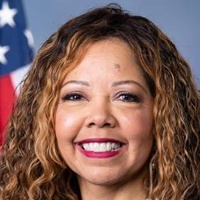
This bill establishes a State judicial threat intelligence and resource center to monitor threats, coordinate security, and report on incidents targeting state and local judges and court staff.
Lucy McBath
Representative
GA
Lucy McBath
Representative
GA
This bill establishes a new State judicial threat intelligence and resource center to enhance the security of state and local judges and court staff. The center will provide training, monitor threats, standardize reporting, and create a national database for incidents against the judiciary. It also requires annual reporting to Congress on the number and severity of threats received.
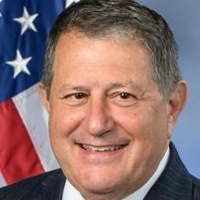
This constitutional amendment prohibits immunity from criminal prosecution for federal officials based on their official duties and bars the President from self-pardoning.
Joseph Morelle
Representative
NY
Joseph Morelle
Representative
NY
This proposed constitutional amendment would eliminate immunity from criminal prosecution for federal officials, including the President, based on their official duties. It also explicitly prohibits the President from issuing a self-pardon for any federal crimes. If ratified, these changes would take effect immediately.
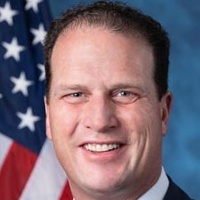
This Act prohibits U.S. commerce and services for vessels associated with ports in Western Hemisphere trade partners that have illegally seized access-controlling land belonging to American entities since 2024.
August Pfluger
Representative
TX
August Pfluger
Representative
TX
The Defending American Property Abroad Act of 2025 targets foreign governments in the Western Hemisphere that have seized or unfairly controlled port infrastructure essential to U.S. trade access since early 2024. The bill requires the executive branch to identify this "prohibited property" and subsequently ban any associated vessels from accessing U.S. ports or receiving services. Furthermore, the Act expands the definition of unfair trade practices to explicitly include the nationalization or discriminatory treatment of U.S. assets by foreign nations.
The Prompt and Fair Pay Act mandates that Medicare Advantage plans pay providers at least as much as Original Medicare and establishes strict, enforceable deadlines for prompt payment of clean claims.

Lloyd Doggett
Representative
TX
Lloyd Doggett
Representative
TX
The Prompt and Fair Pay Act establishes new rules for Medicare Advantage (MA) plans to ensure providers receive fair compensation and timely payments. Starting in 2027, MA plans must pay doctors and suppliers at least as much as Original Medicare for the same services. Additionally, the Act mandates enforceable deadlines for MA plans to pay clean claims—within 14 days for electronic submissions and 30 days for others—and requires detailed notification for any claim that is not considered "clean."
This bill establishes grants for food hubs to increase market access for socially disadvantaged farmers, creates a tax credit to support food hub purchases, mandates civil rights accountability for USDA employees, shifts the burden of proof in appeals, and creates an independent Office of the Civil Rights Ombudsperson.
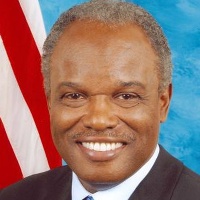
David Scott
Representative
GA
David Scott
Representative
GA
The Black Farmers and Socially Disadvantaged Farmers Increased Market Share Act establishes a new grant program to help food hubs increase market access for socially disadvantaged farmers and ranchers. The bill also introduces an "Agriculture Hub Credit" tax incentive to encourage related spending. Furthermore, it strengthens civil rights accountability for USDA employees, grants new equitable relief powers to the Assistant Secretary for Civil Rights, shifts the burden of proof in agency appeals, and creates an independent Office of the Civil Rights Ombudsperson.
This act enhances protections for Medicare beneficiaries receiving orthotic and prosthetic care by ensuring required training accompanies direct shipments and expanding exemptions within competitive acquisition programs.
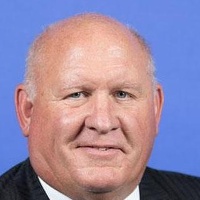
Glenn Thompson
Representative
PA
Glenn Thompson
Representative
PA
The Medicare Orthotics and Prosthetics Patient-Centered Care Act aims to enhance protections for Medicare beneficiaries receiving custom braces and artificial limbs. This bill ensures that payment will not be made for certain devices shipped directly to a patient without required training from a qualified practitioner. Additionally, it expands exemptions from competitive bidding for certain providers and clarifies access to replacement custom orthotic devices.
The NOPAIN for Veterans Act mandates the Department of Veterans Affairs to promptly add specific non-opioid pain medications to its National Formulary.
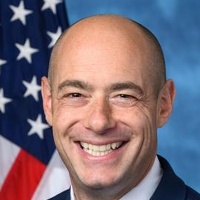
Greg Landsman
Representative
OH
Greg Landsman
Representative
OH
The NOPAIN for Veterans Act mandates that the Department of Veterans Affairs (VA) must promptly add specific, FDA-approved non-opioid pain medications to its National Formulary. This ensures veterans have access to alternative pain management options that do not rely on opioids. The VA is required to implement these changes within 90 days of the Act becoming law.
This bill expands Medicaid coverage for certain individuals with breast or cervical cancer and mandates coverage for breast reconstruction following a mastectomy.

Maxine Waters
Representative
CA
Maxine Waters
Representative
CA
The Medicaid Breast Cancer Access to Treatment Act expands Medicaid eligibility to cover certain individuals who have had breast or cervical cancer. This legislation also mandates that Medicaid coverage must include breast reconstruction surgery following a medically necessary mastectomy. These changes aim to ensure comprehensive care and remove financial barriers for cancer survivors under the program.
This bill requires suppliers to inform Medicare beneficiaries undergoing a medically necessary mastectomy that breast reconstruction surgery is covered before performing the procedure, or face non-payment for the mastectomy.
Maxine Waters
Representative
CA
Maxine Waters
Representative
CA
The Medicare Breast Reconstruction Access and Information Act mandates that suppliers performing medically necessary mastectomies must inform patients about their Medicare coverage for post-mastectomy breast reconstruction. This information must be provided and documented in the patient's medical file before the surgery takes place. Failure to comply will result in Medicare withholding payment for the mastectomy procedure.
The Texture Positive Act of 2025 establishes a federal grant program to fund states in awarding subgrants to specialized organizations for integrating comprehensive textured hair training into cosmetology school curricula.
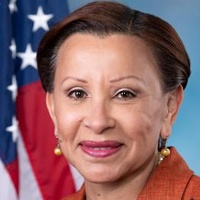
Nydia Velázquez
Representative
NY
Nydia Velázquez
Representative
NY
The Texture Positive Act of 2025 establishes a federal grant program administered by the Secretary of Labor to improve specialized training for cosmetologists. States can apply for these grants to award subgrants to qualified, established, minority- or women-owned training providers. These subgrants must fund the integration of comprehensive textured hair care techniques into cosmetology school curricula.