Legislative Activity
Track Terri's sponsored bills, co-sponsored legislation, and voting record
The BAD DEAL Act of 2026 repeals outdated trade discrimination authorities under the Tariff Act of 1930 and mandates the refund of tariffs collected under those provisions.
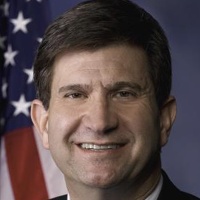
Bradley Schneider
Representative
IL
Bradley Schneider
Representative
IL
The Banning Antiquated Duties and Delivering Equitable American Levies (BAD DEAL) Act of 2026 repeals Section 338 of the Tariff Act of 1930, effectively ending the President's authority to impose trade-related retaliatory duties under that provision. The bill further mandates the nullification of all existing presidential proclamations issued under this authority and requires the federal government to refund all tariffs previously collected as a result of these actions.
This bill amends the Harmonized Tariff Schedule to establish specific classifications for silicone prosthetics and mastectomy bras for breast cancer survivors.
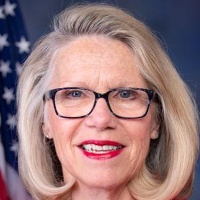
Carol Miller
Representative
WV
Carol Miller
Representative
WV
This bill amends the Harmonized Tariff Schedule of the United States to establish new classification subheadings for silicone prosthetics and mastectomy bras. These changes, effective January 1, 2027, are designed to specifically categorize these essential items for breast cancer survivors.
This bill prohibits the Treasury Secretary from entering into or recognizing agreements that influence the federal tax matters of the President, their family, or related persons while in office, while mandating public disclosure of any such attempts.
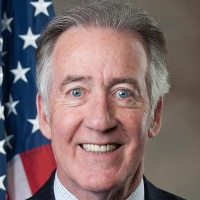
Richard Neal
Representative
MA
Richard Neal
Representative
MA
The Presidential Tax Accountability and Audit Integrity Act prohibits the Secretary of the Treasury from entering into or recognizing any agreements that attempt to influence or settle federal tax matters for the President, their family, or related business entities while in office. The bill mandates public reporting of any such attempts and grants the IRS extended authority to assess taxes for these individuals. These measures ensure transparency and prevent the use of executive power to bypass standard tax enforcement procedures.
The RESCUE Act of 2026 updates Medicare payment rates for ground and air ambulance services to better reflect actual operational costs while mandating new data reporting requirements for air ambulance providers.
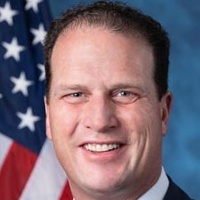
August Pfluger
Representative
TX
August Pfluger
Representative
TX
The RESCUE Act of 2026 updates Medicare payment rates for ground and air ambulance services to better reflect the actual costs of providing emergency care. The bill mandates regular rate adjustments based on current operational data, expands cost-reporting requirements for air ambulance providers, and establishes a stakeholder commission to ensure the long-term adequacy of ambulance service reimbursement.
The PERFORM Act prohibits the Postmaster General from receiving performance-based bonuses if the Postal Service fails to meet specific financial and service benchmarks while mandating increased transparency regarding executive compensation.
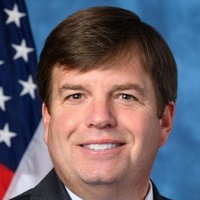
Dale Strong
Representative
AL
Dale Strong
Representative
AL
The PERFORM Act increases accountability for the U.S. Postal Service by prohibiting performance-based bonuses for the Postmaster General if the agency fails to meet specific financial, service, or reporting benchmarks. Additionally, the bill mandates increased transparency through annual reporting on executive compensation and requires the Inspector General to audit compliance with these new standards.
The AI Transparency in Elections Act of 2026 mandates clear and conspicuous disclaimers on all political advertisements that feature content substantially generated or altered by artificial intelligence.
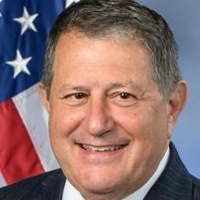
Joseph Morelle
Representative
NY
Joseph Morelle
Representative
NY
The AI Transparency in Elections Act of 2026 mandates clear and conspicuous disclaimers on all political advertisements that feature content substantially generated or altered by artificial intelligence. This legislation aims to increase voter awareness by requiring specific disclosures for AI-generated images, audio, and video used in campaign communications. The Federal Election Commission is tasked with enforcing these requirements and establishing regulatory standards to ensure compliance.
This bill reauthorizes the Accelerating Access to Critical Therapies for ALS Act through 2031 while enhancing grant oversight, safety reporting requirements, and FDA strategic planning for rare neurodegenerative diseases.

Mike Quigley
Representative
IL
Mike Quigley
Representative
IL
The Accelerating Access to Critical Therapies for ALS Reauthorization Act of 2026 extends vital funding for ALS research and clinical trial programs through 2031. This legislation strengthens oversight by enhancing grant review processes, improving safety reporting requirements, and mandating a comprehensive five-year FDA action plan to accelerate the development of treatments for rare neurodegenerative diseases.
This bill officially designates the United States Postal Service facility at 401 North Elm Street in Tuskegee, Alabama, as the "Tuskegee Airmen Memorial Post Office."
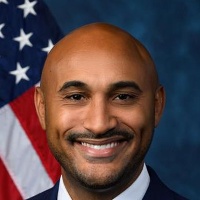
Shomari Figures
Representative
AL
Shomari Figures
Representative
AL
This bill officially renames the United States Postal Service facility at 401 North Elm Street in Tuskegee, Alabama. The facility will now be known as the "Tuskegee Airmen Memorial Post Office." This designation requires all official documents to use the new name for the location.
This bill officially renames the U.S. Postal Service facility in Wai'anae, Hawai'i, as the "U.S. Representative Colleen Hanabusa Post Office Building."
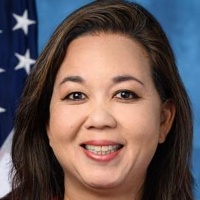
Jill Tokuda
Representative
HI
Jill Tokuda
Representative
HI
This bill officially renames the United States Postal Service facility located at 86-014 Farrington Highway in Wai'anae, Hawai'i. The building will now be known as the "U.S. Representative Colleen Hanabusa Post Office Building." This designation applies to all official records and references to the facility.
The Polling Place Standards Act establishes federal requirements for minimum polling station density and staffing levels to ensure accessible and efficient voting, supported by a new federal grant program for states.
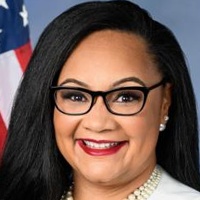
Nikema Williams
Representative
GA
Nikema Williams
Representative
GA
The Polling Place Standards Act establishes federal requirements for polling place availability, mandating at least one location for every 2,000 registered voters to ensure geographic diversity and efficient access. The bill also sets specific staffing standards to maintain security and minimize wait times, while providing a grant program to help states implement these improvements. These requirements are waived for states that provide universal mail-in or drop-box voting options.
The Tuskegee Airmen Memorial Act of 2026 authorizes the establishment of a privately funded commemorative work in Washington, D.C., to honor the Tuskegee Airmen of World War II.
Shomari Figures
Representative
AL
Shomari Figures
Representative
AL
The Tuskegee Airmen Memorial Act of 2026 authorizes Tuskegee Airmen, Inc. to establish a commemorative work on federal land in Washington, D.C., to honor the original Tuskegee Airmen of World War II. The project will be funded entirely through private donations, with no federal funds permitted for its construction or maintenance.
The Inclusive Democracy Act of 2026 protects the right of all citizens to vote in federal elections regardless of criminal conviction and mandates that carceral facilities provide incarcerated individuals with the necessary resources to register and vote.
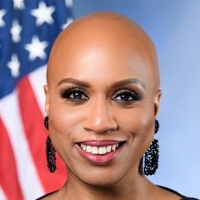
Ayanna Pressley
Representative
MA
Ayanna Pressley
Representative
MA
The Inclusive Democracy Act of 2026 prohibits the federal government and states from denying any citizen the right to vote in federal elections due to a criminal conviction. The bill mandates that carceral facilities provide incarcerated individuals with access to voter registration, absentee ballots, and election information. Additionally, it establishes enforcement mechanisms to ensure these voting rights are protected and upheld in all federal elections.
The Wildfire Reduction Market Expansion Act of 2026 amends the Clean Air Act to expand the definition of "renewable biomass," incentivizing the use of forest management by-products and wildfire risk-reduction materials for renewable energy.
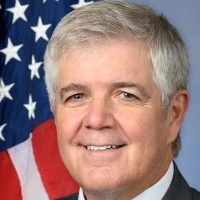
Cliff Bentz
Representative
OR
Cliff Bentz
Representative
OR
The Wildfire Reduction Market Expansion Act of 2026 amends the Clean Air Act to broaden the definition of "renewable biomass." By including forest manufacturing by-products, wildfire risk-reduction materials, and vegetation from defensible spaces, the bill incentivizes the removal of hazardous fuels from public and private lands. This legislation streamlines the certification process to support sustainable forest management and expand the market for renewable energy feedstocks.
The "Combating Illicit Xylazine Act" aims to combat the misuse of xylazine by adding it to Schedule III of the Controlled Substances Act, tracking its distribution, and ensuring appropriate penalties for related offenses, while also protecting legitimate veterinary use.
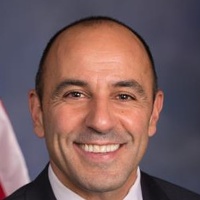
Jimmy Panetta
Representative
CA
Jimmy Panetta
Representative
CA
The "Combating Illicit Xylazine Act" aims to combat the illegal use of xylazine by adding it to Schedule III of the Controlled Substances Act, which would allow for increased regulation and tracking of the substance. The bill includes exemptions and delayed effective dates for certain requirements to ease the transition for legitimate users, such as veterinarians and animal handlers. It also directs the Sentencing Commission to review sentencing guidelines for xylazine-related offenses and mandates reports to Congress on the prevalence and impact of illicit xylazine use. Finally, it will include xylazine in Arcos tracking.
The Justice for Incarcerated Moms Act aims to improve maternal health outcomes for incarcerated individuals by prohibiting the shackling of pregnant prisoners and establishing federal and state programs to provide comprehensive prenatal and postpartum care.
Ayanna Pressley
Representative
MA
Ayanna Pressley
Representative
MA
The Justice for Incarcerated Moms Act aims to improve maternal health outcomes and reduce disparities for pregnant and postpartum individuals in the criminal justice system. The bill mandates the end of shackling for pregnant individuals in federal and state facilities and establishes comprehensive model programs to provide prenatal and postpartum care. Additionally, it creates a grant program for state and local facilities to improve maternal health services and requires a federal report to identify and address systemic barriers to care.
The Action for Dental Health Act authorizes $15 million in annual funding from 2026 through 2030 to support programs aimed at improving oral health care access and delivery.

Robin Kelly
Representative
IL
Robin Kelly
Representative
IL
The Action for Dental Health Act authorizes $15 million in annual funding from 2026 through 2030 to support the Action for Dental Health program. This legislation ensures continued federal investment in initiatives designed to improve oral health care access and outcomes.
The Stop CHEATERS Act provides significant multi-year funding to the IRS to modernize technology, improve taxpayer services, and enhance tax enforcement efforts focused on high-income individuals and large corporations.

Suzan DelBene
Representative
WA
Suzan DelBene
Representative
WA
The Stop CHEATERS Act provides significant multi-year funding to the IRS to modernize its technology, improve taxpayer services, and strengthen tax enforcement. The bill specifically mandates that the agency prioritize auditing high-income individuals and large corporations to close the tax gap. Additionally, it requires regular reporting to Congress to ensure accountability and progress in these enforcement efforts.
This bill mandates electronic prior authorization, increases transparency through required data reporting, and establishes faster decision timelines for Medicare Advantage plans to improve timely access to care for seniors.
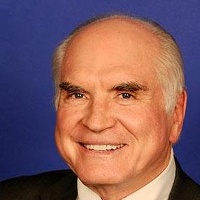
Mike Kelly
Representative
PA
Mike Kelly
Representative
PA
The Improving Seniors’ Timely Access to Care Act of 2025 aims to streamline and modernize the prior authorization process within Medicare Advantage plans. This bill mandates the adoption of electronic prior authorization systems and significantly increases transparency regarding approval rates and decision times starting in 2027. Furthermore, it establishes new enrollee protections and grants the Secretary authority to enforce faster decision timeframes for medical services.
The Patients First Act of 2026 reforms Medicare physician payment systems to ensure more stable, predictable reimbursement for providers while improving patient access to primary care and value-based services.
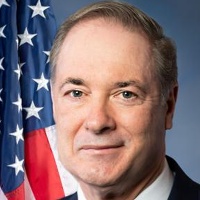
John Joyce
Representative
PA
John Joyce
Representative
PA
The Patients First Act of 2026 is comprehensive legislation designed to stabilize Medicare physician payments, improve patient access to primary care, and transition the current quality reporting system to a more clinician-led framework. By modernizing reimbursement formulas, reducing financial volatility for providers, and increasing transparency in value-based care models, the bill aims to ensure a more sustainable and predictable healthcare environment. These reforms seek to lower out-of-pocket costs for patients while supporting the long-term viability of medical practices.
This bill modernizes Federal Election Commission procedures by mandating electronic filing for electioneering communications and allowing political committees to make disbursements through modern payment methods beyond traditional checks.
Joseph Morelle
Representative
NY
Joseph Morelle
Representative
NY
The FEC Administrative Improvements Act modernizes campaign finance operations by requiring electronic filing for all electioneering communications, ensuring consistent disclosure standards. Additionally, the bill updates payment regulations to allow political committees to make disbursements using modern payment methods beyond traditional paper checks.