Legislative Activity
Track August's sponsored bills, co-sponsored legislation, and voting record
This Act streamlines the permitting process for Liquefied Natural Gas (LNG) facilities by limiting judicial review of existing permits and setting strict deadlines for filing new legal challenges in geographically appropriate Courts of Appeals.

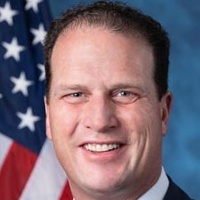
Wesley Hunt
Representative
TX
Wesley Hunt
Representative
TX
The Protect LNG Act of 2025 aims to streamline and stabilize the permitting process for Liquefied Natural Gas (LNG) facilities. It ensures that existing facility approvals remain valid even if challenged in court over environmental reviews, requiring courts to remand violations to agencies for correction rather than invalidating permits. Furthermore, the Act centralizes legal challenges to these covered applications exclusively in the U.S. Court of Appeals with geographic jurisdiction over the facility, subject to a strict 90-day filing deadline.
This Act pauses scheduled Medicare home health payment reductions for 2026 and 2027 to ensure continued beneficiary access to services.
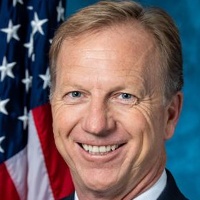
Kevin Hern
Representative
OK
Kevin Hern
Representative
OK
The Home Health Stabilization Act of 2025 aims to ensure continued access to Medicare home health services by pausing automatic payment reductions scheduled for 2026 and 2027. This is achieved by mandating a positive adjustment to the standard payment rate to fully offset proposed cuts. Furthermore, the bill clarifies that these temporary payment increases will not negatively impact future rate calculations for providers.
This Act mandates that defense contractors provide the Department of Defense with fair and reasonable access to necessary repair materials, parts, tools, and information for the equipment they sell.

Marie Gluesenkamp Perez
Representative
WA
Marie Gluesenkamp Perez
Representative
WA
The Warrior Right to Repair Act of 2025 mandates that defense contractors provide the Department of Defense (DoD) fair and reasonable access to necessary repair materials, including parts, tools, and technical information, under terms equal to those offered to authorized third parties. This act requires the DoD to review existing contracts to remove intellectual property barriers preventing the military from performing its own maintenance and repairs on acquired equipment. The goal is to ensure the DoD can efficiently maintain and fix the advanced systems it purchases.
This resolution expresses the House's support for designating September 22nd as National Military and Veterans Suicide Awareness Day to highlight the mental health struggles of service members and veterans.
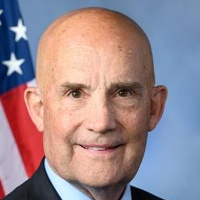
Keith Self
Representative
TX
Keith Self
Representative
TX
This resolution expresses the strong support of Congress for designating September 22nd as "National Military and Veterans Suicide Awareness Day." The goal is to formally recognize the sacrifices of service members and veterans while raising crucial awareness about the mental health challenges and suicide risks they face. By establishing this day, the resolution aims to reduce stigma and encourage greater focus on providing necessary support and resources to this population.
This Act grants the Farm Credit Administration the option to extend mandatory examinations for low-risk Farm Credit System institutions to a 24-month cycle beginning in October 2026.
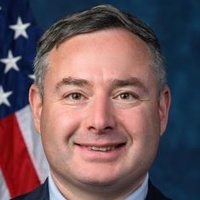
Eugene Vindman
Representative
VA
Eugene Vindman
Representative
VA
The Farm Credit Adjustment Act grants the Farm Credit Administration the option to extend mandatory examination cycles for low-risk Farm Credit System institutions from the current frequency to once every 24 months. This change provides regulatory flexibility for institutions deemed stable by the FCA. This new examination option will take effect starting October 1, 2026.
The CARE for Children Act officially recognizes and funds "cottage family homes" as a new option for foster care placements, ensuring they meet strict standards for child well-being and family connection.
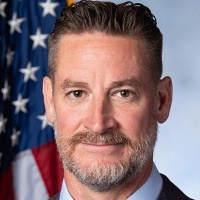
W. Steube
Representative
FL
W. Steube
Representative
FL
The Create Accountable Respectful Environments (CARE) for Children Act officially recognizes and integrates "cottage family homes" into federal foster care regulations. This allows these specialized homes to receive federal maintenance payments if they meet strict standards focused on family connection, trauma-informed care, and prohibiting harmful restraints. The bill ensures states maintain flexibility in utilizing these placements while upholding high standards for child well-being.
This act establishes strict deadlines and an automatic approval mechanism for states seeking primary enforcement authority over EPA regulation of Class VI carbon capture wells.

Dan Crenshaw
Representative
TX
Dan Crenshaw
Representative
TX
The Primacy Certainty Act of 2025 establishes strict deadlines for the EPA when reviewing state applications to take primary enforcement responsibility for Class VI carbon capture and sequestration wells. If the EPA misses these mandated review periods, state applications for primacy can be automatically approved. This legislation also requires the EPA to assign dedicated staff to assist states in preparing their applications.
This bill mandates a long-term study and creation of a health registry to investigate the neurological and mental health effects of G-force stress and flight operations on military aviators.
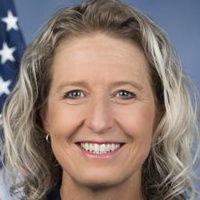
Jennifer Kiggans
Representative
VA
Jennifer Kiggans
Representative
VA
The Warrior Impact from Neurological and G-Force Stress Act (WINGS Act) mandates a comprehensive, long-term study by the VA to investigate the physical and mental health effects of military flight operations, particularly high G-forces, on aviators. This research will examine links between flight stress and conditions like TBI, cognitive decline, and mental health issues, comparing aviators to other service members. The bill also requires the creation of a dedicated Military Aviator Neurohealth Registry to track this data over time.
This bill clarifies that refueling ships with natural gas in U.S. waters is not considered an export under the Natural Gas Act.
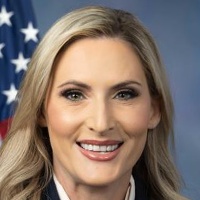
Laurel Lee
Representative
FL
Laurel Lee
Representative
FL
The Cutting LNG Bunkering Red Tape Act clarifies that transferring Liquefied Natural Gas (LNG) to a ship for marine fuel is generally not considered an "export" under the Natural Gas Act. This exemption applies regardless of the vessel's flag, provided the refueling occurs within U.S. waters. The bill aims to streamline the process for using LNG as ship fuel within the United States.
This bill mandates a comprehensive study to investigate potential links between military rotary-wing operations and increased cancer prevalence or mortality among pilots and support personnel.
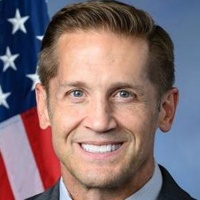
Rich McCormick
Representative
GA
Rich McCormick
Representative
GA
The ROTOR Act mandates a comprehensive study to investigate cancer prevalence and mortality rates among military rotary-wing pilots and aviation support personnel. This research, conducted by the Defense Health Agency in partnership with the NIH and NCI, will first compare cancer rates in these service members against the general population. If elevated rates are found, a second phase will seek to identify potential toxic exposures or environmental factors linked to helicopter operations that may be causing the increased risk.
The SAVES Act establishes a VA pilot program to award grants to nonprofits providing service dogs and veterinary insurance to eligible veterans managing specific service-connected conditions.

Morgan Luttrell
Representative
TX
Morgan Luttrell
Representative
TX
The SAVES Act establishes a Department of Veterans Affairs (VA) pilot program to award grants to nonprofit organizations that provide service dogs to eligible veterans. These grants, up to $\$2,000,000$ each, will fund the training and provision of service dogs for veterans with qualifying conditions like PTSD or TBI. The bill also extends the expiration date for certain limits on veterans' pension payments until February 2033.
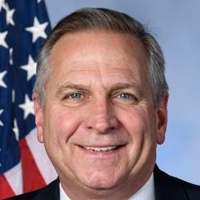
The Veterans’ ACCESS Act of 2025 improves veteran health care by establishing clear eligibility standards for community care, mandating timely mental health treatment, and streamlining administrative processes to ensure faster, more transparent access to services.
Mike Bost
Representative
IL
Mike Bost
Representative
IL
The Veterans’ ACCESS Act of 2025 strengthens the Veterans Community Care Program by establishing clear, enforceable standards for care eligibility and wait times while streamlining the referral process. The legislation also overhauls access to residential mental health and substance abuse treatment, ensuring veterans receive timely, localized care with robust oversight. Additionally, it mandates the development of digital tools and pilot programs to reduce bureaucratic hurdles and improve transparency across the VA healthcare system.
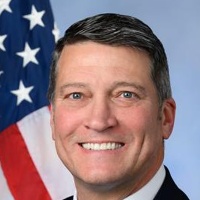
This bill officially renames the United States Postal Service facility at 505 East 9th Avenue in Amarillo, Texas, as the "Mayor Jerry H. Hodge Post Office Building."
Ronny Jackson
Representative
TX
Ronny Jackson
Representative
TX
This bill officially renames the United States Postal Service facility located at 505 East 9th Avenue in Amarillo, Texas. The building will now be known as the "Mayor Jerry H. Hodge Post Office Building." This designation requires all official records and documents to use the new name for this specific location.
This bill prohibits denying veterans' claims solely for missing a medical exam and mandates numerous improvements to VA claims processing, Board of Veterans Appeals efficiency, and quality assurance.
Morgan Luttrell
Representative
TX
Morgan Luttrell
Representative
TX
The Review Every Veterans Claim Act of 2025 aims to significantly improve the efficiency and fairness of the VA claims and appeals process. This bill prohibits the VA from denying a veteran's claim solely because they missed a medical examination and mandates comprehensive tracking and reporting on claim adjudication times. Furthermore, it introduces quality assurance programs, enhanced training for Board of Veterans' Appeals members, and new authority for the Board to aggregate related appeals.
This bill amends federal law to include violations related to rioting within the definition of racketeering activity.

Beth Van Duyne
Representative
TX
Beth Van Duyne
Representative
TX
This bill amends federal law to explicitly include violations related to rioting within the definition of "racketeering activity." By adding this specific crime to the list under Title 18, Section 1961(1), the legislation makes participation in such activities subject to serious federal racketeering charges. This change treats rioting violations similarly to other established offenses like bribery or extortion for the purposes of federal prosecution.
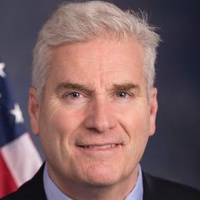
This Act prohibits the Federal Reserve from directly or indirectly issuing a Central Bank Digital Currency (CBDC) and bars the Fed from developing or using one for monetary policy without explicit Congressional authorization.
Tom Emmer
Representative
MN
Tom Emmer
Representative
MN
The Anti-CBDC Surveillance State Act strictly prohibits the Federal Reserve from directly or indirectly issuing a Central Bank Digital Currency (CBDC) to individuals. This legislation prevents the Fed from developing, testing, or implementing any digital currency that functions as a direct liability of the Federal Reserve. Furthermore, Congress asserts that any authority to create such a digital asset must explicitly come from Congress itself.
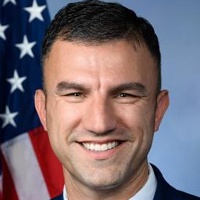
This resolution condemns the slogan "Globalize the Intifada" as a call for violence against Israeli and Jewish people globally and urges leaders to denounce it as such.
Rudy Yakym
Representative
IN
Rudy Yakym
Representative
IN
This resolution formally condemns the slogan "Globalize the Intifada" as a call for violence against Israeli and Jewish people worldwide. It cites the historical context of past Intifadas and recent antisemitic incidents to support this position. The bill urges all levels of U.S. leadership to publicly denounce the slogan.
The Equal Shot Act of 2025 prohibits the Small Business Administration from denying financial assistance to qualified applicants solely based on their involvement in the firearms industry.
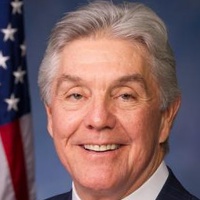
Roger Williams
Representative
TX
Roger Williams
Representative
TX
The Equal Shot Act of 2025 prohibits the Small Business Administration (SBA) from denying financial assistance to otherwise qualified applicants solely based on their involvement in the firearms industry. This legislation ensures that businesses defined as "firearm entities," their affiliates, or trade associations are not unfairly rejected for SBA loans or guarantees. The Act clearly defines these terms to prevent discrimination against businesses involved in manufacturing, selling, or servicing firearms and related accessories.
This Act prohibits lawsuits claiming discrimination based solely on the unintended, disproportionate statistical effect (disparate impact) of employment or housing practices.

Brandon Gill
Representative
TX
Brandon Gill
Representative
TX
The Restoring Equal Opportunity Act aims to eliminate "disparate-impact liability" across major federal laws. This bill prohibits lawsuits claiming discrimination based solely on the unintended, disproportionate negative effect of a rule or practice. Consequently, it removes the ability to challenge employment and housing practices unless discriminatory intent can be proven. The Act also nullifies specific prior regulatory approvals related to civil rights enforcement.
This Act mandates that VA medical staff promptly certify the deaths of veterans who died from natural causes within 48 hours to expedite burial and survivor benefits.
Tom Emmer
Representative
MN
Tom Emmer
Representative
MN
The Veteran Burial Timeliness and Death Certificate Accountability Act addresses significant delays in obtaining death certificates for veterans who die from natural causes, often due to VA medical staff delays. This bill mandates that VA medical providers must certify a veteran's death within 48 hours or allow the local medical examiner to step in. Furthermore, the VA must annually report on its compliance with this new timely certification requirement.