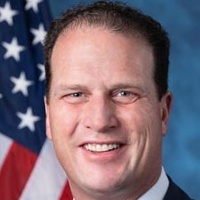
Legislative Activity
Track August's sponsored bills, co-sponsored legislation, and voting record
This bill establishes a federal crime and civil cause of action against anyone who knowingly administers an abortion-inducing drug to a woman without her informed consent.
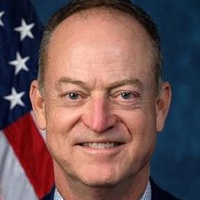
Mark Messmer
Representative
IN
Mark Messmer
Representative
IN
The Forced Abortion Prevention and Accountability Act establishes a new federal crime prohibiting the knowing and intentional administration of abortion-inducing drugs to a pregnant woman without her informed consent. This legislation creates severe criminal penalties, including up to 25 years in prison, for those who violate this prohibition or attempt to do so. Furthermore, it grants victims the right to file a civil lawsuit to recover damages for physical and psychological injuries resulting from forced abortions.
The HELP Copays Act mandates that financial assistance from non-profits and drug manufacturers must count toward a patient's deductible, copay, and out-of-pocket maximum for prescription drugs.
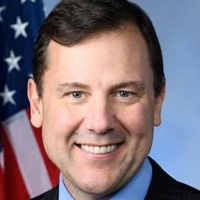
Thomas Kean
Representative
NJ
Thomas Kean
Representative
NJ
The HELP Copays Act requires that financial assistance provided by non-profit organizations and drug manufacturers must count toward a patient's deductible, copayments, and out-of-pocket maximums for prescription drugs. This change ensures that patient assistance dollars directly reduce the amount a patient must pay before their coverage fully kicks in. The legislation specifically applies to specialty drugs and those subject to utilization management. These provisions will take effect for plan years beginning on or after January 1, 2026.
The Rx ACCESS Act extends beneficiary choice for TRICARE prescription refills, establishes minimum fair reimbursement standards for retail pharmacies, and mandates annual independent audits of the TRICARE pharmacy benefits program.
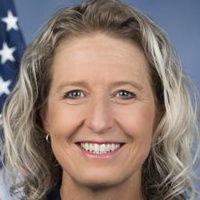
Jennifer Kiggans
Representative
VA
Jennifer Kiggans
Representative
VA
The Rx ACCESS Act aims to improve prescription access, fairness, and transparency within the TRICARE pharmacy benefits program. It extends beneficiary choice for receiving non-generic maintenance medications and establishes minimum reimbursement standards for TRICARE retail pharmacies. Furthermore, the bill mandates annual independent audits by the Comptroller General to review reimbursement rates and network adequacy.
This Act establishes a multi-agency Task Force to develop and implement a comprehensive strategy to dismantle transnational criminal syndicates operating forced-labor scam centers, particularly those targeting Americans with cryptocurrency fraud.
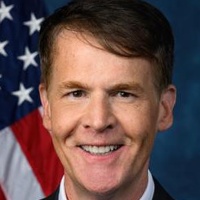
Jefferson Shreve
Representative
IN
Jefferson Shreve
Representative
IN
The Dismantle Foreign Scam Syndicates Act establishes a high-level Task Force, chaired by the Secretary of State, to develop and execute a comprehensive U.S. strategy against transnational criminal organizations running massive online scams, often utilizing victims of human trafficking in Southeast Asia. This strategy must focus on disrupting these operations, sanctioning responsible parties, and providing support for rescued victims. The bill authorizes $30 million over two years to fund these efforts and requires annual reporting to Congress on progress and impact.
This act prohibits state and local governments from enacting regulations that restrict energy service based on the type or source of energy sold in interstate commerce.
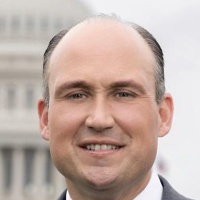
Nicholas Langworthy
Representative
NY
Nicholas Langworthy
Representative
NY
The Energy Choice Act places federal restrictions on state and local governments, preventing them from enacting regulations that prohibit or limit energy service based on its type or source. This means local governments cannot ban or restrict access to energy services sold in interstate commerce. The legislation aims to ensure consistent access to various energy sources across jurisdictions.
The Mikaela Naylon Give Kids a Chance Act primarily focuses on enhancing pediatric drug research, ensuring completion of pediatric study requirements, extending incentives for rare pediatric disease treatments, and making targeted updates to FDA and organ transplant network operations.
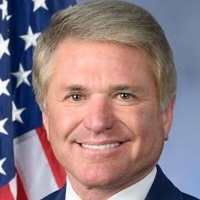
Michael McCaul
Representative
TX
Michael McCaul
Representative
TX
The Mikaela Naylon Give Kids a Chance Act focuses primarily on improving pediatric drug development and ensuring patient access to necessary treatments. This legislation mandates new research requirements for molecularly targeted pediatric cancer drugs, strengthens FDA enforcement of pediatric study completion, and extends incentives for developing drugs for rare pediatric diseases. Additionally, the bill updates organ transplant network functions and establishes an Abraham Accords Office within the FDA to enhance international regulatory cooperation.
This bill prohibits the use of federal funds to cover any expenses related to abortion services for individuals unlawfully present in the United States.
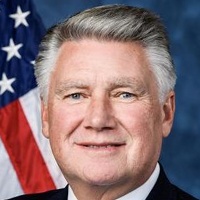
Mark Harris
Representative
NC
Mark Harris
Representative
NC
This bill, the "No Taxpayer Funded Abortion Travel for Illegal Aliens Act," prohibits the use of federal funds to cover any expenses related to abortion services for individuals unlawfully present in the United States. These prohibited expenses include travel, lodging, meals, and related support services. The legislation specifically targets federal funding for aiding unlawful immigrants in accessing abortion care.
This bill mandates a comprehensive threat assessment and strategic plan from the Secretary of Homeland Security regarding the criminal organization Tren de Aragua's impact on U.S. border security.
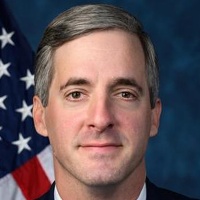
Brad Knott
Representative
NC
Brad Knott
Representative
NC
This Act requires the Secretary of Homeland Security to conduct a comprehensive border threat assessment on the criminal organization Tren de Aragua. Following this assessment, the Secretary must submit a strategic plan detailing how to counter the identified threats along the nation's borders. The legislation aims to enhance security by focusing federal efforts against this specific transnational criminal organization.
This act establishes the National Strategy for School Security Act of 2025, requiring the Secretary of Homeland Security to develop and annually update a national strategy to secure schools from terrorism threats.
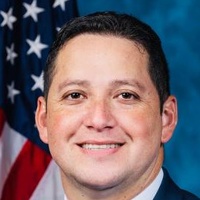
Ernest Gonzales
Representative
TX
Ernest Gonzales
Representative
TX
The National Strategy for School Security Act of 2025 mandates the creation of a comprehensive national strategy to secure K-12 schools from terrorism threats. This strategy, developed by the Secretary of Homeland Security in collaboration with the Secretary of Education, must detail all federal security programs, identify vulnerabilities, and outline goals for improvement. The strategy must be submitted to Congress within one year and updated annually through 2033.
This bill requires the Secretary of Homeland Security to conduct and report on a threat assessment of terrorist threats posed by individuals in Syria affiliated with designated terrorist organizations.
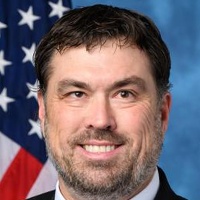
Morgan Luttrell
Representative
TX
Morgan Luttrell
Representative
TX
The Syria Terrorism Threat Assessment Act requires the Secretary of Homeland Security to conduct a comprehensive threat assessment of terrorist threats posed by individuals in Syria affiliated with designated terrorist organizations. This assessment must detail the individuals, their affiliations, and DHS's capabilities to track and mitigate these threats. The Secretary must submit the unclassified assessment, potentially with a classified annex, to relevant congressional committees within 60 days of the Act's enactment.
This Act establishes an interagency task force to combat foreign robocalls, modifies FCC review frequency, introduces a bond requirement for the Robocall Mitigation Database, and grants immunity for private efforts to trace unlawful robocall origins.
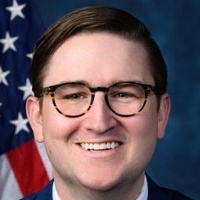
Addison McDowell
Representative
NC
Addison McDowell
Representative
NC
The Foreign Robocall Elimination Act establishes an interagency taskforce to study and recommend strategies for combating unlawful robocalls originating from outside the United States. It also grants the FCC authority to require providers to post a bond to ensure integrity in the Robocall Mitigation Database. Furthermore, the bill provides legal immunity for private consortiums tracing the origin of these illegal calls and allows for the publication of non-cooperative providers.
This act mandates Medicare coverage for FDA-approved early detection screening tests for Alzheimer's disease and related dementias beginning in 2028.
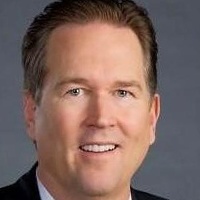
Vern Buchanan
Representative
FL
Vern Buchanan
Representative
FL
The Alzheimer’s Screening and Prevention Act of 2025 (ASAP Act) amends Medicare to cover early detection screening tests for Alzheimer's disease and related dementias starting in 2028. This coverage applies to FDA-cleared tests, including genomic sequencing and other equivalent diagnostic methods, designed to detect pre-symptomatic or early-stage conditions. The bill ensures these screenings are added to the list of covered medical services under Medicare.
This bill mandates the regular publication of evidence-based physical activity recommendations by the Secretary of Health and Human Services for the American public.
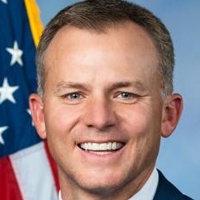
Blake Moore
Representative
UT
Blake Moore
Representative
UT
The Promoting Physical Activity for Americans Act mandates the Secretary of Health and Human Services to regularly publish evidence-based physical activity recommendations for the public. These reports must include specific guidance for various population subgroups and be updated at least every ten years. The legislation ensures federal health programs consider these national guidelines while protecting existing research authority and preventing the establishment of binding federal fitness standards.
This bill mandates that all relevant Department of Homeland Security components participate in the ODNI Intelligence Community Civilian Joint Duty Program through rotational assignments.
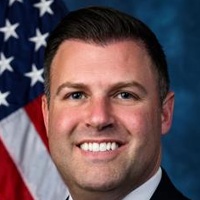
Ryan Mackenzie
Representative
PA
Ryan Mackenzie
Representative
PA
This Act establishes mandatory participation for all relevant Department of Homeland Security (DHS) components in the Office of the Director of National Intelligence (ODNI) Intelligence Community Civilian Joint Duty Program. This ensures DHS intelligence elements engage in rotational assignments within the broader intelligence community.
This resolution expresses condolences for the victims of the July 4 Texas floods, honors heroic efforts, and pledges continued support for recovery.
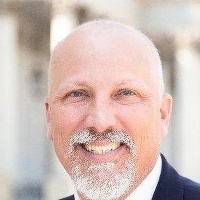
Chip Roy
Representative
TX
Chip Roy
Representative
TX
This resolution expresses the House's deep condolences for the lives lost during the catastrophic July 4th flooding in the Texas Hill Country. It honors the heroism of first responders and volunteers who aided in rescue efforts. Furthermore, the resolution commits the House to stand with the impacted communities in their ongoing recovery and rebuilding process.
This bill mandates the U.S. Trade Representative to take action to ensure Mexico complies with its USMCA energy trade obligations to protect American commerce.
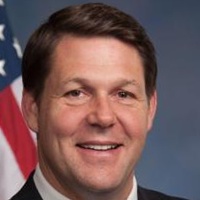
Jodey Arrington
Representative
TX
Jodey Arrington
Representative
TX
The Mexican Energy Trade Enforcement Act mandates the U.S. Trade Representative (USTR) to take specific actions to compel Mexico to comply with its energy trade obligations under the USMCA. The USTR must either request a dispute resolution panel or require non-discriminatory market access for U.S. energy companies. This legislation aims to protect U.S. commerce from Mexican policies that favor state-owned energy companies.
The LABEL Act mandates that abortion-inducing drugs must be labeled with the dispenser's name and address and the prescriber's name, preempting less strict state or local requirements.
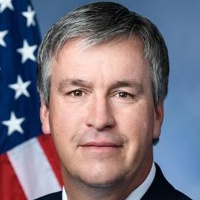
Barry Moore
Representative
AL
Barry Moore
Representative
AL
The LABEL Act proposes new federal labeling requirements for abortion-inducing drugs, mandating that the label include the dispenser's name and address, as well as the prescriber's name. This legislation also prohibits states or localities from enforcing labeling requirements for these drugs that are less strict than the new federal standard. The bill specifically defines which drugs fall under this labeling requirement, excluding those used for ectopic pregnancies or to remove a deceased fetus.
This resolution condemns the persecution of Christians in Nigeria and supports decisive U.S. action to end the existential threat they face.
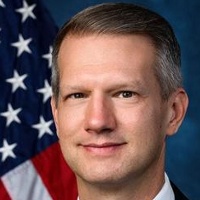
Riley Moore
Representative
WV
Riley Moore
Representative
WV
This resolution condemns the severe, ongoing persecution and mass killing of Christians in Nigeria by terrorist groups and militants. It criticizes the Nigerian government for failing to protect its Christian citizens and for enforcing blasphemy laws. Finally, Congress stands ready to support decisive action, including sanctions, to end this existential threat and calls for direct humanitarian aid to victims.
This resolution honors the service and sacrifice of America's veterans and reaffirms the nation's commitment to supporting them and their families.
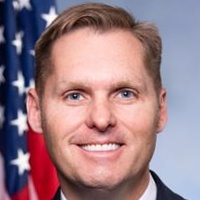
Michael Guest
Representative
MS
Michael Guest
Representative
MS
This resolution honors the service and sacrifice of America's veterans on Veterans Day, 2025, recognizing the history of the observance from Armistice Day. It affirms the nation's deep commitment to supporting the over 15 million veterans and their families. The resolution calls upon the public to observe Veterans Day and ensure veterans continue to receive the services they deserve.
This bill ensures that essential firearm-related government operations, such as background checks and export license processing, continue during a government shutdown.
Ben Cline
Representative
VA
Ben Cline
Representative
VA
The Firearm Access During Shutdowns Act ensures that essential firearm-related government operations continue without interruption during a federal shutdown. This legislation specifically mandates the continuation of the FBI's NICS background check system and related processing at the ATF, Department of Commerce, and Department of State. By deeming these functions essential for protecting life and property, the bill prevents delays in firearm transfers and export licensing during lapses in appropriations.