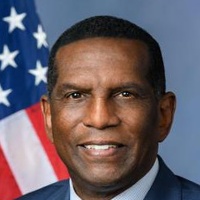
Legislative Activity
Track Burgess's sponsored bills, co-sponsored legislation, and voting record
This bill establishes a mechanism to ensure the Federal Aviation Administration remains funded and operational during a lapse in appropriations by drawing from the Airport and Airway Trust Fund.
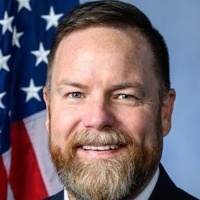
Aaron Bean
Representative
FL
Aaron Bean
Representative
FL
The Aviation Funding Stability Act of 2025 establishes a mechanism to ensure the Federal Aviation Administration (FAA) remains operational during a lapse in appropriations. If Congress fails to pass a budget, the FAA can draw from the Airport and Airway Trust Fund to continue existing programs and projects at the previous year's spending rate. This temporary funding lasts until a new budget is enacted or for a maximum of 30 days, whichever comes first. This measure aims to prevent disruptions to critical aviation services during government shutdowns.
This bill reauthorizes and extends funding for the Special Diabetes Programs through fiscal year 2030 at \$160 million annually.

Diana DeGette
Representative
CO
Diana DeGette
Representative
CO
The Special Diabetes Program Reauthorization Act of 2025 extends critical funding for the Special Diabetes Programs supporting Type 1 diabetes research and prevention. This bill commits $160 million annually for the program from fiscal years 2026 through 2030. The legislation ensures continued support for these vital diabetes initiatives over the next five years.
This bill amends the Social Security Act to provide Medicare coverage for FDA-approved multi-cancer early detection screening tests starting in 2028.
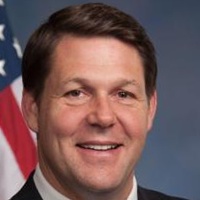
Jodey Arrington
Representative
TX
Jodey Arrington
Representative
TX
The Nancy Gardner Sewell Medicare Multi-Cancer Early Detection Screening Coverage Act amends the Social Security Act to provide Medicare Part B coverage for multi-cancer early detection screening tests starting January 1, 2028. This legislation establishes clear criteria for qualifying tests and outlines payment structures to ensure beneficiaries have access to these advanced diagnostic tools. Importantly, this coverage is designed to complement, rather than replace, existing Medicare-covered cancer screenings.
This bill mandates the Department of Labor to submit an annual, anonymized report to Congress detailing the status and timeline of all Employee Benefit Security Administration investigations.

Lisa McClain
Representative
MI
Lisa McClain
Representative
MI
The EBSA Investigations Transparency Act mandates that the Department of Labor submit an annual report to Congress detailing the status of all Employee Benefits Security Administration (EBSA) enforcement investigations from the previous fiscal year. This report must include key dates and timelines for each case, such as when it was opened and whether it concluded within 36 months of the initial document request. Crucially, the legislation requires that all personally identifying information regarding private parties involved in these investigations be excluded from the public report.
This bill ensures Medicare coverage for certain breakthrough medical devices during a four-year transitional period while accelerating the final coverage decision process.
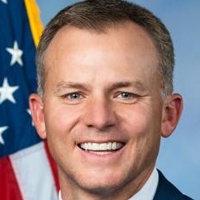
Blake Moore
Representative
UT
Blake Moore
Representative
UT
This Act, the Ensuring Patient Access to Critical Breakthrough Products Act, aims to speed up Medicare coverage for innovative, FDA-approved "breakthrough devices." It establishes a process for manufacturers to gain a four-year transitional coverage period for these devices, ensuring patients have timely access while long-term coverage decisions are finalized. The bill also allocates funding to CMS to manage these expedited reviews and allows for oversight of provider billing practices related to these new technologies.
This Act mandates that new passenger motor vehicles sold in the U.S. must include standard equipment capable of receiving AM broadcast radio signals.

Gus Bilirakis
Representative
FL
Gus Bilirakis
Representative
FL
The AM Radio for Every Vehicle Act of 2025 mandates that the Secretary of Transportation establish a rule requiring AM broadcast radio receivers to be installed as standard equipment in new passenger motor vehicles. This requirement aims to ensure public access to AM radio signals, which are often used for emergency alerts. The bill also directs a GAO study on the effectiveness of AM radio within the national emergency alert system compared to other technologies. Finally, the Act preempts state and local laws on this matter and includes a sunset provision eight years after enactment.
This act amends the Fair Labor Standards Act to exclude direct sellers and qualified real estate agents from the definition of "employee."
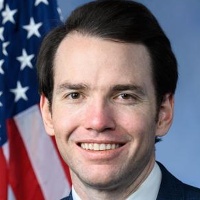
Kevin Kiley
Representative
CA
Kevin Kiley
Representative
CA
This act, the Direct Seller and Real Estate Agent Harmonization Act, amends the Fair Labor Standards Act to clarify employment status. Specifically, it excludes direct sellers and qualified real estate agents from the definition of "employee." This change aligns labor standards with existing IRS classifications for these professions.
This Act ensures the automatic continuation of pay for active duty military personnel and essential civilian support staff if Congress fails to pass a budget for fiscal year 2026.
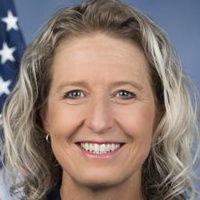
Jennifer Kiggans
Representative
VA
Jennifer Kiggans
Representative
VA
The Pay Our Troops Act of 2026 ensures that active duty military personnel and essential civilian support staff continue to receive their pay if Congress has not yet passed the full budget for fiscal year 2026. This act provides automatic continuing appropriations from the Treasury to prevent a lapse in military salaries due to budget delays. The funding automatically terminates once a new budget or continuing resolution is passed, or on January 1, 2027, whichever comes first.
This Act streamlines pharmacy compounding during drug shortages, improves FDA reporting requirements for manufacturers to anticipate supply issues, and updates labeling and regulatory language for compounded and outsourced drugs.

Diana Harshbarger
Representative
TN
Diana Harshbarger
Representative
TN
The Drug Shortage Compounding Patient Access Act of 2025 aims to improve patient access to necessary medications during drug shortages. It allows pharmacists and physicians to compound urgent batches of drugs without an individual prescription if the drug is on the shortage list and commercial alternatives are unavailable. Furthermore, the bill enhances drug shortage mitigation by requiring manufacturers to report sudden surges in demand to the FDA, alongside existing reporting for manufacturing interruptions. Finally, it clarifies compounding regulations and adds specific labeling requirements for patient-specific compounded drugs.
This resolution condemns the assassination of Charlie Kirk and honors his life, legacy, and commitment to civil discourse.

Mike Kennedy
Representative
UT
Mike Kennedy
Representative
UT
This resolution condemns the assassination of conservative activist Charlie Kirk and extends condolences to his family. It honors his life and legacy, recognizing his founding of Turning Point USA and his commitment to encouraging civil discourse on college campuses.
The RESULTS Act reforms how Medicare determines payment rates for clinical diagnostic laboratory tests by mandating the use of comprehensive, real-world private payor claims data collected from an independent entity.
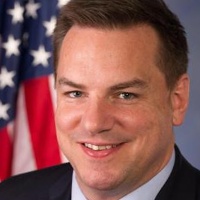
Richard Hudson
Representative
NC
Richard Hudson
Representative
NC
The Reforming and Enhancing Sustainable Updates to Laboratory Testing Services Act of 2025 (RESULTS Act) aims to improve Medicare payment rates for clinical lab tests by mandating the collection of more accurate, real-world payment data directly from large, independent private insurance claims databases. This legislation updates definitions, collection timelines, and calculation methods to ensure Medicare payments for widely available tests reflect current market rates. It also establishes default payment rules if sufficient private payor data cannot be secured.
The Mental Health in Aviation Act of 2025 mandates the FAA to update mental health regulations, improve medical clearance processes, fund more aviation medical examiners, and launch an anti-stigma campaign for aviation workers.
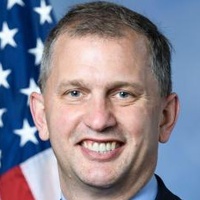
Sean Casten
Representative
IL
Sean Casten
Representative
IL
The Mental Health in Aviation Act of 2025 directs the FAA to update regulations to encourage aviation workers to seek mental health support without fear of stigma. The bill mandates annual reviews of the medical clearance process and allocates funding to hire more Aviation Medical Examiners. Furthermore, it requires the FAA to implement recommendations from a recent mental health task force and launch a public awareness campaign to reduce stigma.
This bill establishes a mandatory supply fee paid by Medicare drug plans to long-term care pharmacies for specific prescriptions in 2026 and 2027, while also mandating a GAO study on the financial sustainability of the current payment system.
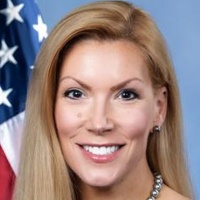
Beth Van Duyne
Representative
TX
Beth Van Duyne
Representative
TX
This Act establishes a mandatory supply fee for Medicare drug plans to pay long-term care pharmacies for specific prescriptions dispensed in 2026 and 2027. The bill mandates a $30 fee per prescription in 2026, increasing in 2027, with penalties for non-payment. Additionally, the GAO is required to study the financial sustainability of the current payment structure for these essential pharmacies. This legislation aims to ensure continued access to medications for patients in long-term care settings.
This act designates a single accountable executive to make final decisions on transit safety recommendations and resolve committee disputes.
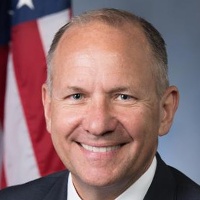
Lloyd Smucker
Representative
PA
Lloyd Smucker
Representative
PA
The Safe Transit Accountability Act clarifies that the "accountable executive" holds the final decision-making authority regarding the implementation of safety recommendations made by a transit agency's Safety Committee. This designated executive also serves as the tie-breaker in committee disputes over safety fixes. Furthermore, the bill legally defines this executive as the individual ultimately responsible for ensuring compliance with both the agency's Safety Plan and its Asset Management Plan.
This act mandates that the Veterans Health Administration expand its informed consent requirements to specifically cover the prescription of antipsychotics, stimulants, antidepressants, anxiolytics, and narcotics.
Gus Bilirakis
Representative
FL
Gus Bilirakis
Representative
FL
The Written Informed Consent Act mandates that the Veterans Health Administration (VHA) expand its informed consent directives to specifically cover several classes of medications, including antipsychotics, stimulants, antidepressants, anxiolytics, and narcotics. This ensures veterans receive a thorough understanding of these prescribed drugs. The Secretary of Veterans Affairs must update VHA Directive 1005 to reflect these expanded requirements.
This act prohibits federal law from considering the provision of benefits when determining an individual's employment status.
Kevin Kiley
Representative
CA
Kevin Kiley
Representative
CA
The Modern Worker Security Act prohibits federal law from considering the provision of benefits when determining an individual's employment status. This means benefits commonly associated with full-time employment can no longer be used as a factor in classifying a worker. The goal is to clarify the definition of an employee by removing benefit considerations from the determination process.
This bill establishes a federal right for producers to sell covered livestock and their derived products across state lines, preempting state and local regulations on the raising of animals outside their jurisdiction.
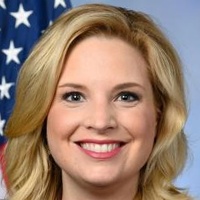
Ashley Hinson
Representative
IA
Ashley Hinson
Representative
IA
The Save Our Bacon Act establishes a federal right for producers to move and sell products derived from covered livestock across state lines, ensuring a single national market. This legislation prevents individual states from imposing unique production standards on livestock or products raised outside their borders. Essentially, it standardizes regulations to ensure free interstate commerce for meat and dairy products, excluding those primarily derived from egg-laying animals.
This bill mandates that the Forest Service aggressively suppress wildfires on high-risk national forest lands within 24 hours and restricts the use of fire as a management tool.

Tom McClintock
Representative
CA
Tom McClintock
Representative
CA
This bill mandates that the Forest Service aggressively suppress wildfires on high-risk National Forest lands, requiring extinguishment within 24 hours of detection. It restricts the use of prescribed fires and backfires while ensuring federal agencies do not interfere with state and local firefighting efforts. These requirements apply specifically to areas facing severe drought, extreme fire danger, or high wildfire exposure.
This act establishes a new two-part test under the Fair Labor Standards Act and the National Labor Relations Act to determine when an individual is classified as an independent contractor rather than an employee.
Kevin Kiley
Representative
CA
Kevin Kiley
Representative
CA
The Modern Worker Empowerment Act establishes a new, two-part test under federal law to determine if a worker is an independent contractor rather than an employee. This test focuses on the degree of control exercised over the work's details and whether the worker has the risks and opportunities of entrepreneurship. The Act applies this updated classification standard to both the Fair Labor Standards Act and the National Labor Relations Act.
This Act expands Medicare coverage for hereditary cancer genetic testing, preventative surgeries, and evidence-based cancer screenings for at-risk individuals.
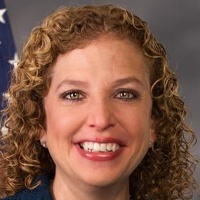
Debbie Wasserman Schultz
Representative
FL
Debbie Wasserman Schultz
Representative
FL
The Reducing Hereditary Cancer Act expands Medicare coverage for individuals with a family or personal history suggestive of hereditary cancer. This legislation mandates Medicare coverage for appropriate genetic testing and risk-reducing preventive surgeries. Furthermore, it allows for expanded, evidence-based cancer screenings for individuals already diagnosed with a hereditary cancer gene mutation.