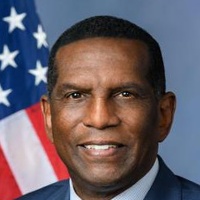
Legislative Activity
Track Burgess's sponsored bills, co-sponsored legislation, and voting record
This resolution commemorates the 13 U.S. servicemembers killed at Abbey Gate and condemns the Biden administration’s handling of the 2021 withdrawal from Afghanistan.
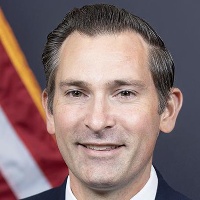
Matt Van Epps
Representative
TN
Matt Van Epps
Representative
TN
This resolution commemorates the 13 U.S. servicemembers killed during the 2021 Abbey Gate bombing in Afghanistan. It formally condemns the Biden-Harris administration for its handling of the withdrawal, citing failures in planning, security, and accountability. The measure denounces the administration's decisions as a dereliction of duty that compromised national security and abandoned American allies.
The READ Act reauthorizes and reforms federal literacy grant programs to support evidence-based reading instruction aligned with the "science of reading" for students from early childhood through grade 12.
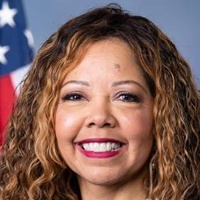
Lucy McBath
Representative
GA
Lucy McBath
Representative
GA
The READ Act (Reading Excellence and Achievement for Development Act) reauthorizes and reforms the Comprehensive Literacy State Development Grants program to improve student literacy nationwide. The bill prioritizes evidence-based instruction aligned with the "science of reading," mandates universal early literacy screening, and provides targeted support for low-performing states. Additionally, it enhances research initiatives and increases transparency by requiring states to report on literacy progress and teacher preparation alignment.
This resolution expresses the House of Representatives' support for Charleston, South Carolina, to host the 2027 annual session of the OSCE Parliamentary Assembly.
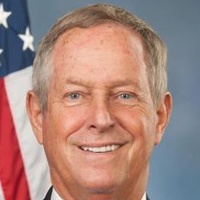
Joe Wilson
Representative
SC
Joe Wilson
Representative
SC
This resolution expresses the support of the House of Representatives for Charleston, South Carolina, to host the 2027 annual session of the Organization for Security and Cooperation in Europe (OSCE) Parliamentary Assembly. It highlights the city’s world-class infrastructure and honors the legacy of the late Senator Lindsey Olin Graham by advocating for the event to proceed as originally planned.
This bill honors the lives and ultimate sacrifice of four wildland firefighters who died in the line of duty in 2026 while expressing gratitude to all personnel who risk their lives protecting communities from wildfires.
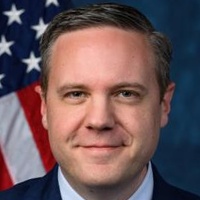
Jeff Hurd
Representative
CO
Jeff Hurd
Representative
CO
This resolution honors the lives and ultimate sacrifice of wildland firefighters Emily Barker, Nick Hutcherson, Sydney Watson, and Nicholas Dale, who lost their lives in the line of duty during the 2026 wildfire season. It expresses deep gratitude to all wildland firefighters, aviation crews, and support personnel for their courage and continued commitment to protecting American communities. Furthermore, it recognizes the ongoing need to support these frontline responders and invites the nation to honor their service and sacrifice.
The Fair Treatment of Religious Organizations Act of 2026 protects the tax-exempt status of religious organizations by ensuring their beliefs regarding marriage, sexuality, and gender identity are not deemed inconsistent with public policy.
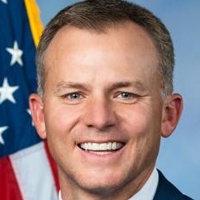
Blake Moore
Representative
UT
Blake Moore
Representative
UT
The Fair Treatment of Religious Organizations Act of 2026 protects the tax-exempt status of religious organizations by ensuring their beliefs regarding marriage, sexuality, and gender identity are not deemed inconsistent with public policy. Additionally, it clarifies that religious beliefs do not need to be central to a specific faith system to qualify for tax-exempt recognition.
This bill clarifies that a franchisor is only considered a joint employer of a franchisee's workers if it exercises substantial, direct, and immediate control over essential terms of employment.
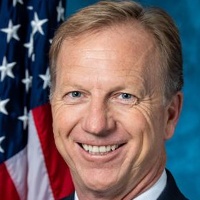
Kevin Hern
Representative
OK
Kevin Hern
Representative
OK
The American Franchise Act aims to protect the traditional franchise business model by clarifying the definition of a "joint employer." This legislation establishes that a franchisor is only considered a joint employer if it exercises "substantial direct and immediate control" over the essential terms of employment for a franchisee's workers. This change specifically targets liability risks associated with maintaining brand standards, ensuring franchisors are not automatically held responsible for local labor practices. The new standard applies prospectively to future legal proceedings.
This bill prohibits the Department of Labor from finalizing, implementing, or enforcing the proposed rule regarding heat injury and illness prevention in outdoor and indoor work settings.
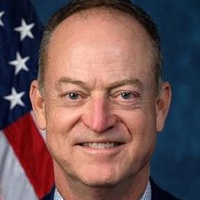
Mark Messmer
Representative
IN
Mark Messmer
Representative
IN
This act, the Heat Workforce Standards Act of 2025, prohibits the Secretary of Labor from finalizing, implementing, or enforcing the proposed rule regarding heat injury and illness prevention published in August 2024. This restriction extends to any future standard substantially similar to the one proposed.
This bill mandates electronic prior authorization, increases transparency through required data reporting, and establishes faster decision timelines for Medicare Advantage plans to improve timely access to care for seniors.
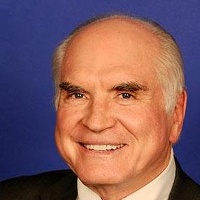
Mike Kelly
Representative
PA
Mike Kelly
Representative
PA
The Improving Seniors’ Timely Access to Care Act of 2025 aims to streamline and modernize the prior authorization process within Medicare Advantage plans. This bill mandates the adoption of electronic prior authorization systems and significantly increases transparency regarding approval rates and decision times starting in 2027. Furthermore, it establishes new enrollee protections and grants the Secretary authority to enforce faster decision timeframes for medical services.
This Act prohibits payment card networks and processors from assigning specific merchant category codes to identify firearms retailers, protecting the privacy of firearm and ammunition purchases.
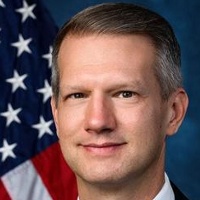
Riley Moore
Representative
WV
Riley Moore
Representative
WV
The Protecting Privacy in Purchases Act prohibits payment card networks and processors from assigning specific merchant category codes to firearms retailers. This legislation aims to protect consumer privacy by preventing the tracking of firearm and ammunition purchases through specialized financial classification. The Attorney General is tasked with enforcing these provisions and reporting annually on compliance.
The No Antisemitism in Education Act of 2026 mandates that educational institutions receiving federal funding treat antisemitism with the same enforcement rigor as other forms of discrimination prohibited under Title VI of the Civil Rights Act.
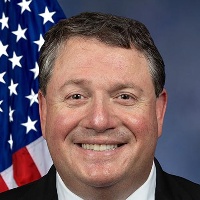
Randall Fine
Representative
FL
Randall Fine
Representative
FL
The No Antisemitism in Education Act of 2026 mandates that educational institutions receiving federal funding treat antisemitic discrimination with the same rigor as other forms of discrimination prohibited under Title VI of the Civil Rights Act of 1964. The bill requires institutions to utilize a formal definition of antisemitism when investigating and addressing discriminatory acts. It aims to ensure accountability for systemic failures to protect Jewish students while upholding First Amendment rights and existing state laws.
This bill renames and revises the Great American Outdoors Act's maintenance fund, increases dedicated funding through new, higher fees for foreign visitors, and sets spending priorities for deferred maintenance across public lands agencies.
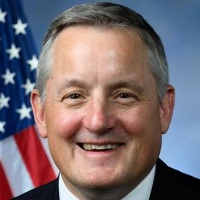
Bruce Westerman
Representative
AR
Bruce Westerman
Representative
AR
This bill, the Great American Outdoors Act 250, significantly reforms and renames the existing public lands restoration fund to the America’s Legacy Restoration Fund. It secures dedicated funding streams, primarily from energy revenues and new fees on foreign visitors, to address critical deferred maintenance across the National Park Service, Forest Service, and other public land agencies. The legislation establishes strict spending priorities for infrastructure repair while also creating pilot programs for enhancing outdoor recreation and sportsmen's access. Finally, it mandates increased transparency and accountability through standardized metrics and public reporting on all funded projects.
This bill establishes the Federal Cryptocurrency Theft Task Force within the Department of Justice to coordinate the investigation and prosecution of cryptocurrency theft across federal, state, and local agencies.
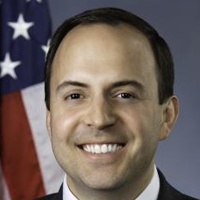
Lance Gooden
Representative
TX
Lance Gooden
Representative
TX
This bill establishes the Federal Cryptocurrency Theft Task Force within the Department of Justice to combat the growing threat of digital asset crimes. The Task Force will coordinate federal efforts, develop best practices, and provide technical assistance to state and local law enforcement. Its primary focus is on improving the investigation and prosecution of cryptocurrency theft without creating new regulations or criminal offenses.
This bill significantly expands federal immunity for firearm manufacturers and sellers by immediately dismissing existing lawsuits and establishing strict limitations and procedural hurdles for future civil liability claims.
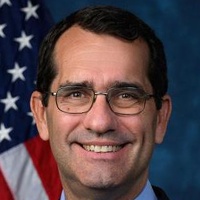
Derek Schmidt
Representative
KS
Derek Schmidt
Representative
KS
The Stopping Harmful and Outrageous Torts Act significantly expands legal immunity for firearm manufacturers, sellers, and trade associations by redefining terms within existing federal law. It mandates the immediate dismissal of pending lawsuits against these entities and establishes strict new standards for any exceptions that might apply. Furthermore, the bill preempts state and local laws that attempt to impose liability based on the criminal misuse of qualified products.
This Act grants visual artists the exclusive right to control the commercial use of deliberate stylistic impersonations of their work generated by AI or other means.
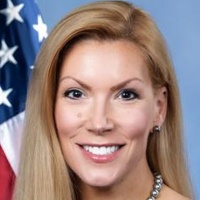
Beth Van Duyne
Representative
TX
Beth Van Duyne
Representative
TX
The CREATOR Act establishes a new federal intellectual property right for visual artists against the unauthorized commercial use of "stylistic impersonations" of their work, primarily generated by AI. This right protects an artist's distinctive visual characteristics when deliberately copied in a way that could mislead the public or affect the artist's market. The Act carefully carves out exceptions for general artistic influence, commentary, parody, and the use of general-purpose AI systems without intentional targeting.
This bill updates the criteria for assessing foreign countries' efforts to reduce the demand for commercial sex acts as part of the minimum standards for eliminating human trafficking.
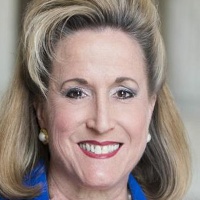
Ann Wagner
Representative
MO
Ann Wagner
Representative
MO
This Act updates the criteria the U.S. government uses to evaluate foreign countries' efforts to combat sex trafficking. Specifically, it requires assessing a country's actions to prohibit or implement policies against purchasing commercial sex acts. The evaluation also considers efforts to educate buyers and reduce international sex tourism by their nationals.
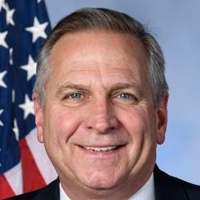
This bill prohibits the VA from reporting veterans to the NICS background check system solely because a fiduciary has been appointed to manage their benefits, unless a judicial authority deems them a danger to themselves or others.
Mike Bost
Representative
IL
Mike Bost
Representative
IL
The Veterans 2nd Amendment Protection Act prohibits the VA from reporting veterans to the NICS background check system solely because a fiduciary was appointed to manage their benefits. This legislation ensures that a VA finding of mental incompetence or the appointment of a fiduciary alone is not used to treat a veteran as a "mental defective" for gun control purposes. Furthermore, the VA must notify the Attorney General about past transmissions of this information that lacked a proper legal basis.
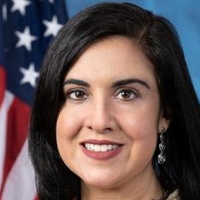
This bill establishes the Smithsonian American Women's History Museum, designates its site on the National Mall, and sets requirements for its mission, construction, and diverse representation of viewpoints.
Nicole Malliotakis
Representative
NY
Nicole Malliotakis
Representative
NY
This act officially establishes the Smithsonian American Women’s History Museum and designates its location on the National Mall, requiring the transfer of land jurisdiction to the Smithsonian Institution. The museum is mandated to preserve and present the history and achievements of biological women in the United States. Furthermore, the legislation requires that exhibits and programs reflect diverse political viewpoints and authentic experiences of women, as guided by a broad array of knowledgeable sources.
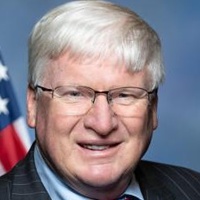
This bill amends the Rehabilitation Act of 1973 to change the rules surrounding subminimum wage employment for adults with disabilities, including lowering the minimum age for eligibility and altering employer documentation requirements.
Glenn Grothman
Representative
WI
Glenn Grothman
Representative
WI
The Restoration of Employment Choice for Adults with Disabilities Act amends the Rehabilitation Act of 1973 regarding subminimum wage employment for individuals with disabilities. This bill changes the applicable age for subminimum wage employment from 24 and under to 18 and older. It also modifies employer requirements for providing counseling and documentation related to this employment status.
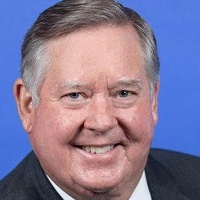
This Act establishes mandatory minimum prison sentences for federal fraud offenses, with penalties increasing based on the dollar amount involved.
Ken Calvert
Representative
CA
Ken Calvert
Representative
CA
The Zero Tolerance for Fraudsters Act of 2026 establishes mandatory minimum prison sentences for federal fraud offenses based on the dollar amount involved. This legislation sets specific minimum terms, ranging from one to five years, for fraud involving amounts over one million dollars. The act aims to significantly increase penalties for major financial crimes, including mail fraud, wire fraud, and government fraud.
This bill expands Medicare Part B coverage to reimburse for specific pharmacist services related to testing and treatment for certain public health threats, effective January 1, 2026.
Adrian Smith
Representative
NE
Adrian Smith
Representative
NE
The Ensuring Community Access to Pharmacist Services Act expands Medicare Part B coverage to include services provided by pharmacists starting January 1, 2026. This coverage is specifically for testing or treatment related to COVID-19, the flu, RSV, strep throat, or during a declared public health emergency. The bill outlines payment structures, generally covering 80% of the cost, and prohibits pharmacists from balance billing Medicare patients for these covered services.