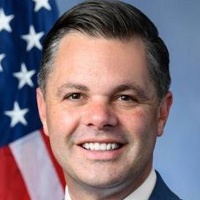
Legislative Activity
Track Zachary's sponsored bills, co-sponsored legislation, and voting record
This act establishes a federal grant program to help law enforcement officers afford and access childcare during their off-hours.
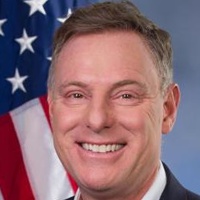
Scott Peters
Representative
CA
Scott Peters
Representative
CA
The Providing Child Care for Police Officers Act of 2025 establishes a new federal grant program to help law enforcement officers secure childcare during non-traditional hours. Administered by HHS, these competitive grants will fund local agencies to offer subsidies, start new facilities, or cover operational costs for officers. The program requires state agencies to apply and secure matching funds, with a sunset date of September 30, 2030.
This Act mandates that health plans cover medically necessary treatment for congenital anomalies or birth defects affecting the eyes, ears, teeth, mouth, or jaw to restore normal function and appearance.
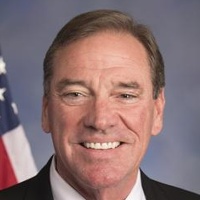
Neal Dunn
Representative
FL
Neal Dunn
Representative
FL
The Ensuring Lasting Smiles Act mandates that group health plans and insurance policies provide comprehensive coverage for medically necessary treatment related to congenital anomalies or birth defects affecting the eyes, ears, teeth, mouth, or jaw. This coverage must include services needed to restore normal function and appearance, including necessary dental and orthodontic support. Plans must apply cost-sharing rules no more restrictive than those for other medical benefits, excluding purely cosmetic procedures.
This resolution recognizes National Foster Care Month to highlight the challenges faced by children in the foster care system and encourages policy improvements to better their lives.
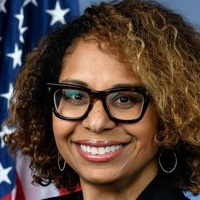
Sydney Kamlager-Dove
Representative
CA
Sydney Kamlager-Dove
Representative
CA
This resolution officially recognizes May as National Foster Care Month to raise awareness about the challenges facing children in the foster care system. It highlights the urgent need for improved policy and support to ensure every child achieves a safe, permanent, and loving family. The bill encourages greater investment in prevention services, family reunification, and support for youth aging out of care.
This Act establishes a public-private "Quantum Sandbox" program, managed by the Secretary of Commerce and NIST, to accelerate the development and deployment of near-term quantum applications within two years.
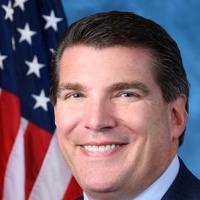
Jay Obernolte
Representative
CA
Jay Obernolte
Representative
CA
The Quantum Sandbox for Near-Term Applications Act of 2025 establishes a new public-private partnership program managed by the Department of Commerce and NIST. This "quantum sandbox" is specifically designed to accelerate the development and testing of quantum applications that can be deployed within two years. By engaging industry, national labs, and research centers, the Act aims to quickly translate quantum innovation into tangible benefits for government and business.
This bill establishes procedures for attributing errors and liabilities between employers and third-party payroll tax payors when filing payroll taxes.
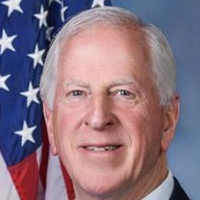
Mike Thompson
Representative
CA
Mike Thompson
Representative
CA
This bill establishes new procedures for the IRS when errors occur in payroll tax filings made by third-party payors, such as Professional Employer Organizations (PEOs). It clarifies the responsibility for resulting tax liabilities or penalties based on whether the payor relied on erroneous information provided by the employer. The legislation aims to fairly allocate responsibility between the employer and the third-party payor when mistakes happen during tax certification and filing.
The CHOICE for Veterans Act of 2025 establishes new federal standards, oversight, and penalties for agents and attorneys who assist veterans in filing Department of Veterans Affairs benefit claims while extending certain pension payment limitations.
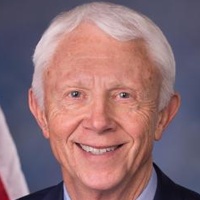
Jack Bergman
Representative
MI
Jack Bergman
Representative
MI
The CHOICE for Veterans Act of 2025 aims to overhaul how veterans receive assistance with their Department of Veterans Affairs (VA) benefit claims. It establishes new rules for the recognition, fees, and conduct of agents and attorneys who represent veterans. The bill also mandates increased transparency regarding available assistance and requires a review of the entire representative recognition process.
This Act establishes federal penalties for assaulting hospital personnel and creates a grant program to help medical facilities improve workforce safety.
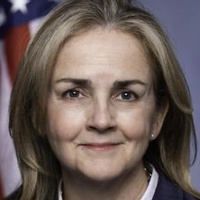
Madeleine Dean
Representative
PA
Madeleine Dean
Representative
PA
The Save Healthcare Workers Act aims to protect hospital personnel by making assault against them a federal crime with severe penalties. It also establishes a new federal grant program to help hospitals implement crucial safety measures, such as violence prevention training and physical security upgrades. This legislation seeks to reduce workplace violence in healthcare settings across the nation.
This act establishes research grants and training programs to develop and implement PFAS-free, next-generation turnout gear to protect firefighters from occupational illness and injury.
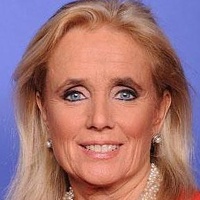
Debbie Dingell
Representative
MI
Debbie Dingell
Representative
MI
The PFAS Alternatives Act aims to protect firefighters by funding research and development for next-generation turnout gear that eliminates harmful PFAS chemicals. The bill establishes grants through NIOSH to create safer, PFAS-free protective equipment and separate funding for training programs on the proper care of this new gear. Ultimately, this legislation seeks to reduce occupational illness and injury among fire and EMS personnel.
This bill extends key tax credits for biodiesel, renewable diesel, and alcohol fuels through 2026 while preventing taxpayers from claiming overlapping credits with the new clean fuel production credit.
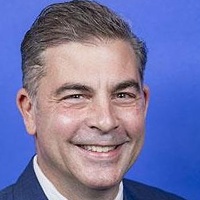
Mike Carey
Representative
OH
Mike Carey
Representative
OH
This bill extends key federal tax credits for biodiesel and renewable diesel production and mixtures through 2026. It ensures that these older credits will not be claimed concurrently with the newer clean fuel production credit (Section 45Z(a)). The legislation also extends the tax credit for second-generation alcohol fuels, coordinating its expiration with the new clean fuel rules.
The FACTS Act establishes grant programs, an interagency task force, and mandates data collection and planning to combat synthetic opioid misuse and overdose among secondary school students.
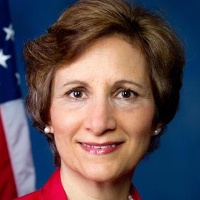
Suzanne Bonamici
Representative
OR
Suzanne Bonamici
Representative
OR
The FACTS Act establishes grant programs for schools to partner with health experts to combat synthetic opioid misuse among secondary students through prevention and recovery efforts. It also creates a federal Interagency Task Force to coordinate the national response and amends education laws to mandate specific opioid-related planning and staff training at the state and local levels. Finally, the bill enhances federal data collection on synthetic opioid presence and use in K-12 environments.
The Shipbuilding and Harbor Infrastructure for Prosperity and Security for America Act of 2025 establishes a centralized maritime authority, creates a dedicated funding trust, strengthens sealift capability, mandates increased use of U.S.-flagged vessels, invests heavily in domestic shipbuilding, and enhances workforce development and tax incentives for the maritime industry.
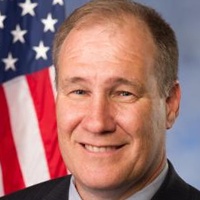
Trent Kelly
Representative
MS
Trent Kelly
Representative
MS
The **Shipbuilding and Harbor Infrastructure for Prosperity and Security for America Act of 2025** is a comprehensive bill designed to revitalize the U.S. maritime industry and secure critical supply chains. It establishes new centralized oversight for maritime policy, creates a dedicated Maritime Security Trust Fund financed by new vessel taxes, and mandates significant federal investment in domestic shipbuilding and workforce development. The legislation also imposes stricter cargo preference rules and tax incentives to ensure U.S.-flagged vessels dominate international commerce and defense sealift operations.
The Prove It Act establishes a formal process for small businesses to challenge agency claims about the economic impact of proposed rules and strengthens requirements for agencies to consider indirect costs on small entities.
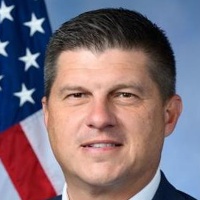
Brad Finstad
Representative
MN
Brad Finstad
Representative
MN
The Prove It Act aims to strengthen protections for small businesses against burdensome federal regulations. It establishes a formal process for small entities to challenge agency claims that a proposed rule will not significantly impact them. The bill also expands the required analysis of indirect costs and imposes consequences if agencies fail to periodically review existing rules on time.
This Act promotes private employee ownership by extending tax deferrals for S corporation ESOP sales, ensuring ESOP-owned businesses retain small business status, and establishing new Treasury and Labor offices to provide assistance and advocacy.
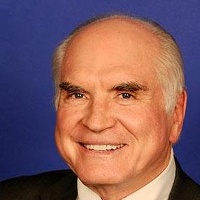
Mike Kelly
Representative
PA
Mike Kelly
Representative
PA
The Promotion and Expansion of Private Employee Ownership Act of 2025 aims to significantly boost employee ownership in S corporations through Employee Stock Ownership Plans (ESOPs). The bill extends key tax deferral benefits for stock sales to ESOPs and removes a major restriction on this tax treatment. Furthermore, it establishes new government offices and an Advocate for Employee Ownership to provide technical assistance and resolve disputes, while ensuring ESOP-owned businesses retain small business status for federal programs.
This bill establishes grants for local governments to train building code enforcement officers on identifying and addressing public health threats stemming from building code violations.
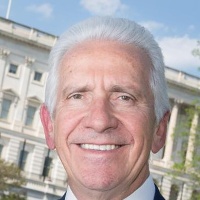
Jim Costa
Representative
CA
Jim Costa
Representative
CA
The Safety Training for Officers on Public Health Threats Act establishes a grant program through HHS to help local governments train building code enforcement officers. This training will focus on identifying and addressing public health dangers stemming from building code violations. Priority for funding will go to applicants who can effectively deliver this specialized training and to areas already facing such threats.
This bill directs the Department of Energy to research and develop novel technologies for the rapid detection of fentanyl vapor or particles for use in mail screening, prisons, and at U.S. borders.
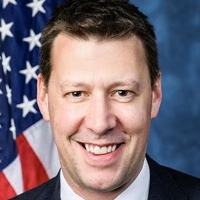
Josh Riley
Representative
NY
Josh Riley
Representative
NY
This bill directs the Department of Energy to establish a research program focused on developing novel technologies to rapidly detect fentanyl vapor or particles. The Secretary of Energy must coordinate this research with the Departments of Justice and Homeland Security, as well as the Postal Service. The goal is to support rapid screening efforts in high-risk areas such as mail facilities, prisons, and U.S. borders.
This bill updates federal highway safety programs to enhance protections and data collection for roadside workers and motorists experiencing disabled vehicle incidents, while also establishing working groups to address crashes in both scenarios.
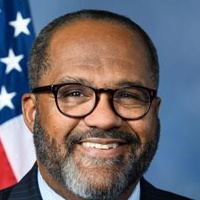
Troy Carter
Representative
LA
Troy Carter
Representative
LA
This bill aims to enhance safety for individuals outside their vehicles and for workers in construction zones by updating federal highway safety programs. It mandates improved data collection on roadside and work zone crashes and expands public awareness campaigns to cover disabled vehicles and work zones. Furthermore, the legislation establishes two specialized working groups to develop strategies and share data to reduce fatalities and injuries in these specific high-risk areas.
This Act establishes a dedicated position within the SBA to advise small businesses on setting up and maintaining Employee Stock Ownership Plans (ESOPs) and requires annual reporting to Congress on its activities.
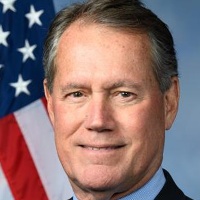
Ed Case
Representative
HI
Ed Case
Representative
HI
This bill establishes a new dedicated position within the Small Business Administration (SBA) to exclusively assist small businesses in setting up and navigating Employee Stock Ownership Plans (ESOPs). This expert will provide guidance on compliance, valuation, and resource connection for businesses interested in employee ownership. The Act also mandates annual reporting to Congress detailing the assistance provided and offering recommendations for improving the ESOP process. Funding is authorized as necessary, with a specific initial appropriation of $500,000 for the first fiscal year.
The PROTECT 911 Act establishes federal guidelines and grant funding to support the mental health and wellness of public safety telecommunicators, such as 911 operators.
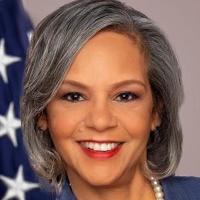
Robin Kelly
Representative
IL
Robin Kelly
Representative
IL
The PROTECT 911 Act aims to support the mental health of 911 operators and emergency dispatchers. It requires the government to develop evidence-based mental health guidelines and training materials specifically for these workers. Furthermore, the Act establishes grants for emergency communications centers to implement or enhance behavioral health and wellness programs for their staff.
This act redefines "short-term work" for Navy combatant and escort vessel construction projects, extending the time threshold from 12 to 18 months.
Scott Peters
Representative
CA
Scott Peters
Representative
CA
The Smart Ship Repair Act of 2025 modifies the definition of "short-term work" related to the Navy's construction of combatant and escort vessels. This amendment extends the time threshold for a shipbuilding project to be classified as short-term from 12 months to 18 months. This change impacts how the Navy assigns vessel projects under existing statutes.
The Youth Workforce Readiness Act of 2025 establishes grants for out-of-school programs run by community organizations to prepare eligible youth (ages 6-18) for employment through work experience, training, and mentorship, while also strengthening local Youth Councils.
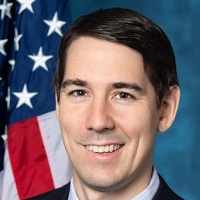
Josh Harder
Representative
CA
Josh Harder
Representative
CA
The Youth Workforce Readiness Act of 2025 establishes a competitive grant program to fund national organizations in developing comprehensive, out-of-school workforce readiness programs for youth aged 6 to 18. This Act aims to boost employment opportunities by connecting youth education and training with employer needs through community partnerships. Furthermore, it strengthens youth voices by mandating the reestablishment and integration of Youth Councils within local workforce boards to advise on training and readiness initiatives.