Legislative Activity
Track Zachary's sponsored bills, co-sponsored legislation, and voting record
This resolution condemns socialism in all its forms while reaffirming support for election security measures, including the requirement that only U.S. citizens participate in American elections.
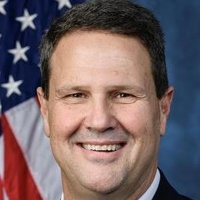
Jeff Crank
Representative
CO
Jeff Crank
Representative
CO
This resolution formally condemns socialism in all its forms, asserting that its ideology is incompatible with American values and the U.S. Constitution. It reaffirms the necessity of secure, citizen-only elections and calls for the enactment of the SAVE America Act to prevent noncitizen voting and strengthen election integrity.
This act establishes a dedicated unit within the Department of Justice to enhance the investigation and prosecution of international trade-related crimes, such as smuggling, money laundering, and duty evasion.
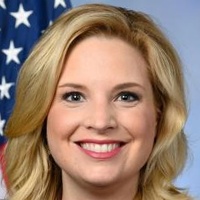
Ashley Hinson
Representative
IA
Ashley Hinson
Representative
IA
The Protecting American Industry and Labor from International Trade Crimes Act of 2026 establishes a dedicated unit within the Department of Justice to investigate and prosecute criminal trade activities, such as smuggling, duty evasion, and trade-based money laundering. This legislation aims to bolster enforcement capacity through increased staffing, interagency collaboration, and the development of multi-jurisdictional responses. Additionally, it mandates annual reporting to Congress to ensure transparency and accountability in the government's efforts to protect American industry and labor.
The Consumer Financial Protection Accountability and Reform Act of 2026 seeks to increase the CFPB’s transparency and accountability by restructuring its funding, refining its enforcement and rulemaking standards, and establishing clearer regulatory oversight for financial institutions and consumer products.
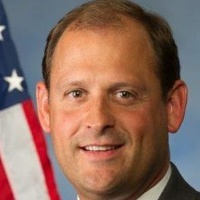
Garland Barr
Representative
KY
Garland Barr
Representative
KY
The Consumer Financial Protection Accountability and Reform Act of 2026 seeks to restructure the Consumer Financial Protection Bureau (CFPB) by bringing it under congressional appropriations and establishing more rigorous oversight and transparency requirements. The bill introduces stricter standards for enforcement actions, clarifies definitions of abusive practices, and provides new regulatory frameworks for emerging financial products like earned wage access. Additionally, it adjusts supervisory thresholds and limits the Bureau’s ability to use market-monitoring data for enforcement, aiming to increase procedural fairness for both financial institutions and consumers.
This bill establishes a competitive grant program for state securities and insurance regulators to enhance their efforts in investigating, prosecuting, and preventing financial fraud against seniors.
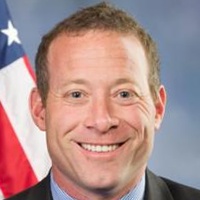
Josh Gottheimer
Representative
NJ
Josh Gottheimer
Representative
NJ
The Empowering States to Protect Seniors from Bad Actors Act establishes a competitive grant program through the SEC to provide state securities and insurance regulators with the resources needed to combat financial fraud targeting seniors. These funds will support the investigation and prosecution of financial exploitation, as well as the development of educational initiatives to protect older adults. By authorizing $10 million annually through 2030, this legislation strengthens state-level efforts to identify, prevent, and reduce scams against vulnerable seniors.
The Enhancing K–12 Cybersecurity Act directs CISA to establish a national information exchange, a voluntary incident registry, and a technology improvement program to bolster cybersecurity defenses and resources for schools nationwide.

Doris Matsui
Representative
CA
Doris Matsui
Representative
CA
The Enhancing K–12 Cybersecurity Act directs CISA to establish a centralized information exchange, providing schools with essential cybersecurity resources, training, and funding opportunities. The bill also creates a voluntary incident registry to track cyber threats and launches a technology improvement program to help schools deploy effective defense strategies. These initiatives aim to strengthen the digital security of elementary and secondary educational institutions nationwide.
The WINGS Act of 2026 expands federal student aid eligibility to cover essential aviation training costs for students enrolled in qualifying degree programs.
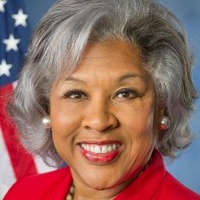
Joyce Beatty
Representative
OH
Joyce Beatty
Representative
OH
The WINGS Act of 2026 expands federal student aid eligibility to cover essential aviation training costs, such as flight hours, simulator fees, and licensing exams, for students in qualifying degree programs. By updating the Higher Education Act, this legislation aims to reduce the financial barriers for students pursuing careers in the aviation industry. These changes will take effect starting with the 2027–2028 academic year.
This bill restricts stock trading by Members of Congress and their families while establishing new federal requirements for voters to provide photo identification in federal elections.
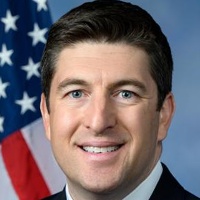
Bryan Steil
Representative
WI
Bryan Steil
Representative
WI
The Stop Insider Trading Act restricts Members of Congress, their spouses, and dependent children from purchasing or selling individual stocks to prevent conflicts of interest. Additionally, the bill mandates that voters provide valid photo identification when voting in person or by mail in federal elections.
The Main Street Act aims to foster economic growth by reducing regulatory burdens on community banks, streamlining the application and merger processes, and enhancing transparency in financial supervision.
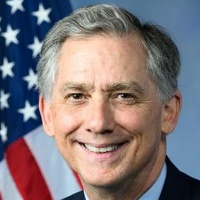
J. Hill
Representative
AR
J. Hill
Representative
AR
The Main Street Act is comprehensive legislation designed to foster a more competitive and accessible banking environment by reducing regulatory burdens on community banks and credit unions. The bill streamlines application processes, modernizes supervision standards, and enhances transparency across federal financial agencies to encourage local lending and economic growth. Additionally, it promotes innovation and financial stability by facilitating bank-fintech partnerships and improving the tools available for managing liquidity and bank resolutions.
This bill clarifies that a franchisor is only considered a joint employer of a franchisee's workers if it exercises substantial, direct, and immediate control over essential terms of employment.
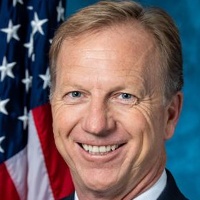
Kevin Hern
Representative
OK
Kevin Hern
Representative
OK
The American Franchise Act aims to protect the traditional franchise business model by clarifying the definition of a "joint employer." This legislation establishes that a franchisor is only considered a joint employer if it exercises "substantial direct and immediate control" over the essential terms of employment for a franchisee's workers. This change specifically targets liability risks associated with maintaining brand standards, ensuring franchisors are not automatically held responsible for local labor practices. The new standard applies prospectively to future legal proceedings.
Tyler's Law mandates a study and subsequent guidance on the routine testing for fentanyl in hospital emergency departments during overdose treatment.
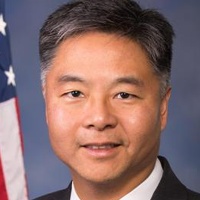
Ted Lieu
Representative
CA
Ted Lieu
Representative
CA
Tyler's Law mandates a comprehensive study by the Secretary of Health and Human Services on the frequency, cost, and impact of fentanyl testing in hospital emergency departments during overdose cases. Following the study, the Secretary must issue guidance on whether routine fentanyl testing should become standard practice for overdose patients. This guidance will also address staff training regarding existing drug test panels and the long-term health implications of such testing.
The Supporting Grandfamilies Act of 2026 authorizes $10 million to fund a National Technical Assistance Center dedicated to providing resources, training, and support services for grandfamilies and kinship caregivers.
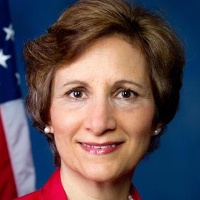
Suzanne Bonamici
Representative
OR
Suzanne Bonamici
Representative
OR
The Supporting Grandfamilies Act of 2026 authorizes $10 million to fund a National Technical Assistance Center dedicated to supporting grandfamilies and kinship care households. The Center will provide training, resources, and coordination to help organizations better serve caregivers—particularly those aged 55 and older—and children with disabilities. By promoting evidence-based practices, the Act aims to improve the health, academic success, and overall well-being of these families across the nation.
The "Combating Illicit Xylazine Act" aims to combat the misuse of xylazine by adding it to Schedule III of the Controlled Substances Act, tracking its distribution, and ensuring appropriate penalties for related offenses, while also protecting legitimate veterinary use.
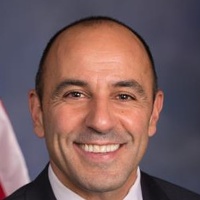
Jimmy Panetta
Representative
CA
Jimmy Panetta
Representative
CA
The "Combating Illicit Xylazine Act" aims to combat the illegal use of xylazine by adding it to Schedule III of the Controlled Substances Act, which would allow for increased regulation and tracking of the substance. The bill includes exemptions and delayed effective dates for certain requirements to ease the transition for legitimate users, such as veterinarians and animal handlers. It also directs the Sentencing Commission to review sentencing guidelines for xylazine-related offenses and mandates reports to Congress on the prevalence and impact of illicit xylazine use. Finally, it will include xylazine in Arcos tracking.
This bill mandates electronic prior authorization, increases transparency through required data reporting, and establishes faster decision timelines for Medicare Advantage plans to improve timely access to care for seniors.
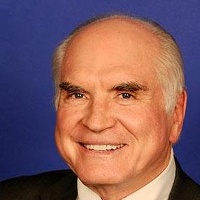
Mike Kelly
Representative
PA
Mike Kelly
Representative
PA
The Improving Seniors’ Timely Access to Care Act of 2025 aims to streamline and modernize the prior authorization process within Medicare Advantage plans. This bill mandates the adoption of electronic prior authorization systems and significantly increases transparency regarding approval rates and decision times starting in 2027. Furthermore, it establishes new enrollee protections and grants the Secretary authority to enforce faster decision timeframes for medical services.
This Act prohibits payment card networks and processors from assigning specific merchant category codes to identify firearms retailers, protecting the privacy of firearm and ammunition purchases.
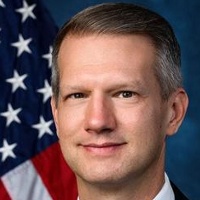
Riley Moore
Representative
WV
Riley Moore
Representative
WV
The Protecting Privacy in Purchases Act prohibits payment card networks and processors from assigning specific merchant category codes to firearms retailers. This legislation aims to protect consumer privacy by preventing the tracking of firearm and ammunition purchases through specialized financial classification. The Attorney General is tasked with enforcing these provisions and reporting annually on compliance.
The STOP Senior Fraud Act empowers financial institutions to temporarily delay suspicious transactions involving older adults and vulnerable persons to prevent financial exploitation.
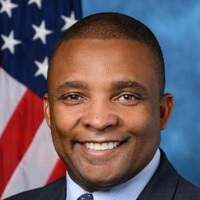
Donald Davis
Representative
NC
Donald Davis
Representative
NC
The STOP Senior Fraud Act empowers financial institutions to temporarily delay or refuse suspicious transactions involving older adults or vulnerable persons to prevent financial exploitation. The bill mandates employee training on fraud detection, establishes clear notification requirements for account holders and authorities, and provides liability protections for institutions acting in good faith.
The **21st Century ROAD to Housing Act** aims to significantly increase housing supply and affordability through regulatory reforms, new financing tools, increased transparency, and restrictions on large institutional home purchases.
J. Hill
Representative
AR
J. Hill
Representative
AR
The **21st Century ROAD to Housing Act** is a comprehensive bill designed to significantly increase housing supply, improve affordability, and modernize federal housing programs. It tackles issues from streamlining construction regulations and incentivizing local zoning reform to restricting large corporate home purchases and enhancing financing for manufactured homes. Ultimately, the Act aims to create more pathways to homeownership and ensure safer, more stable rental conditions across the country.
This bill prohibits the SEC from requiring the collection of personally identifiable information from market participants for consolidated audit trail reporting purposes.
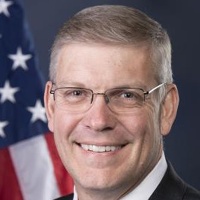
Barry Loudermilk
Representative
GA
Barry Loudermilk
Representative
GA
The Protecting Investors’ Personally Identifiable Information Act prohibits the SEC from requiring market participants to submit sensitive personal data as part of Consolidated Audit Trail (CAT) reporting requirements. This legislation aims to safeguard investor privacy by restricting the collection of information such as Social Security numbers, addresses, and biometric data within federal securities reporting systems.
The No Cashing In Act requires former members of Congress to maintain annual financial disclosures for ten years and reduces their federal pensions by the amount of income earned from lobbying activities.
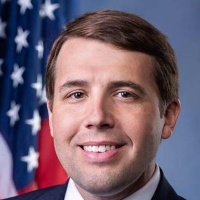
Chris Pappas
Representative
NH
Chris Pappas
Representative
NH
The "No Cashing In Act" increases transparency and accountability for former members of Congress by requiring them to file annual financial disclosures for up to ten years after leaving office. Additionally, the bill reduces federal pension payments for former members by the amount of income they earn from lobbying activities.
The Financial Exploitation Prevention Act of 2025 empowers mutual funds to delay redemption requests and contact trusted individuals when they suspect the financial exploitation of older or vulnerable investors.
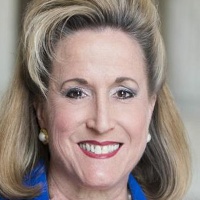
Ann Wagner
Representative
MO
Ann Wagner
Representative
MO
The Financial Exploitation Prevention Act of 2025 empowers mutual funds and transfer agents to protect vulnerable investors by delaying suspicious redemption requests. The bill requires participating firms to maintain trusted contact information and establishes formal internal procedures to identify and report potential financial exploitation. Additionally, it mandates that the SEC report to Congress with recommendations for further regulatory improvements to safeguard older and impaired adults.
This Act mandates annual residue testing and reporting for certain bulk imported organic feedstuffs and requires the exclusion of any shipment found to contain prohibited substance residues above allowed levels.
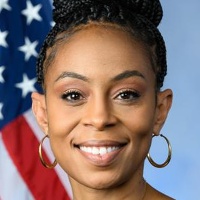
Shontel Brown
Representative
OH
Shontel Brown
Representative
OH
The Organic Imports Verification Act of 2026 mandates annual residue testing for specific bulk-shipped imported organic feedstuffs identified through a confidential, risk-based protocol. The Secretary of Agriculture must report annually to Congress on the testing frequency, methods, and results for these covered feedstuffs. If prohibited substances are detected above allowable levels, the entire shipment must be excluded from organic sale.