Legislative Activity
Track Zachary's sponsored bills, co-sponsored legislation, and voting record
This bill waives interest accrual and requires payment deferrals for one year on certain Small Business Administration disaster loans following a presidential declaration.
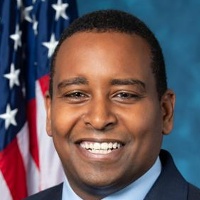
Joe Neguse
Representative
CO
Joe Neguse
Representative
CO
This bill amends the Small Business Act to provide immediate relief for disaster loan recipients. It mandates a one-year waiver of all interest accrual and principal payments for certain SBA disaster loans made after the date of enactment. This ensures borrowers have a full year of relief following the disbursement of disaster recovery funds.
This bill reforms the Defense Production Act Committee under Commerce Department leadership and establishes a public registry to track the use of DPA authorities for enhanced accountability and transparency.
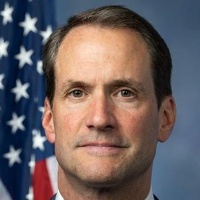
James Himes
Representative
CT
James Himes
Representative
CT
The CLEAR Defense Production Act of 2025 overhauls the Defense Production Act Committee by placing a senior Department of Commerce official in charge to enhance coordination and review of all DPA authorities. This bill mandates the creation of a public, electronic registry tracking every use of DPA authorities by federal agencies, detailing the justification and national defense goal achieved. The goal is to improve accountability, planning, and transparency regarding the government's use of these critical economic powers.
The Flight Education Access Act increases federal student loan limits for students in accredited, FAA Part 141 flight training programs while imposing new disclosure requirements and program completion tracking.
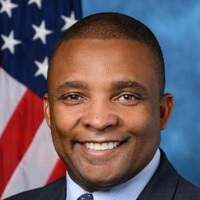
Donald Davis
Representative
NC
Donald Davis
Representative
NC
The Flight Education Access Act increases federal student loan limits specifically for students enrolled in eligible undergraduate flight training programs that meet FAA Part 141 requirements. This legislation also mandates new disclosure requirements for schools regarding loan terms and establishes performance tracking for these programs. Finally, the Act directs the GAO to report on the implementation and impact of these changes within two years.
This Act removes the statute of limitations for surviving spouses of service members who died in the line of duty on or after September 11, 2001, to file specific survivor benefit claims against the U.S. Government.
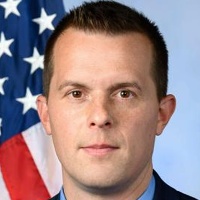
Jared Golden
Representative
ME
Jared Golden
Representative
ME
The Supporting Our Surviving Spouses Act removes the statute of limitations for certain survivor benefit claims filed by the spouses of armed forces members who died in the line of duty on or after September 11, 2001. This change allows eligible survivors to file these specific claims at any time after the law is enacted. The bill ensures that no deadline prevents these survivors from seeking entitled benefits.
This Act establishes a grant program for installing suicide deterrents on public structures and clarifies funding eligibility for bridge safety barriers.
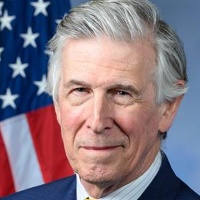
Donald Beyer
Representative
VA
Donald Beyer
Representative
VA
The Barriers to Suicide Act of 2025 establishes a new grant program through the Department of Transportation to fund the installation of suicide deterrents like nets and barriers at high-risk locations such as bridges and rail stations. The bill also amends existing law to explicitly allow National Highway System funds to be used for these safety barriers on bridges. Finally, it mandates a study on the effectiveness of suicide prevention measures for structures other than bridges.
This act modifies federal securities laws to establish specific fiduciary and investment approval requirements for certain 403(b) retirement plans offered by charities and educational institutions to maintain their exemptions from registration.
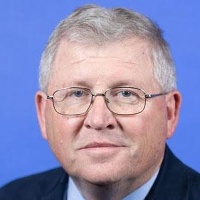
Frank Lucas
Representative
OK
Frank Lucas
Representative
OK
The Retirement Fairness for Charities and Educational Institutions Act of 2025 modifies federal securities laws to update exemptions for 403(b) retirement plans. This legislation clarifies requirements under the Investment Company Act, the Securities Act, and the Securities Exchange Act. The changes generally condition these exemptions on the employer taking on specific fiduciary responsibilities regarding the selection and approval of investment options offered to participants.
This Act mandates that the VA inform veterans filing initial claims about free representation options and improve the online search tool for accredited representatives.
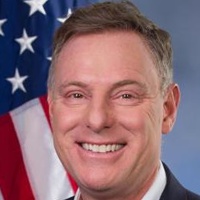
Scott Peters
Representative
CA
Scott Peters
Representative
CA
The Veterans Claims Education Act of 2025 aims to better inform veterans about their right to free representation from recognized Veterans Service Organizations (VSOs) when filing initial VA claims. It mandates that the VA maintain and regularly update an accessible online tool for finding accredited representatives. Furthermore, the bill extends the expiration date for certain limitations on veteran pension payments.
This Act officially integrates therapeutic and diagnostic medical physicists into the VA's professional staffing structure, establishing specific qualifications and pay grades for these critical roles.
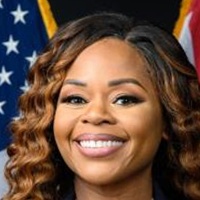
Sheila Cherfilus-McCormick
Representative
FL
Sheila Cherfilus-McCormick
Representative
FL
The Department of Veterans Affairs Medical Physicist Pay Cap Relief Act officially integrates therapeutic and diagnostic medical physicists into the VA's professional staffing ranks. This legislation establishes specific qualification standards, including mandatory post-graduate training and board certification, for these roles. Furthermore, it creates dedicated pay grades for these physicists, ensuring they are properly compensated within the VA healthcare system structure. The VA must report to Congress one year after enactment on the impact of these changes.
This bill reauthorizes and increases funding for the COPS ON THE BEAT grant program for fiscal years 2026 through 2030 to support hiring more police officers.
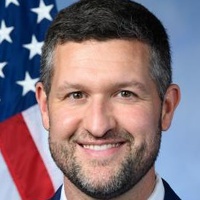
Patrick Ryan
Representative
NY
Patrick Ryan
Representative
NY
The More Funding for COPS Act reauthorizes and increases funding for the COPS ON THE BEAT grant program. This legislation extends the authorization for this vital program for an additional five fiscal years, covering 2026 through 2030. The bill specifically increases the maximum authorized funding level to support the hiring of more community police officers.
This bill mandates comprehensive federal data collection and reporting on attacks, aggression, and mental wellness to improve law enforcement officer safety and support.
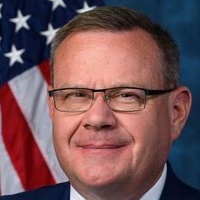
Tim Moore
Representative
NC
Tim Moore
Representative
NC
This bill mandates comprehensive federal reporting to better understand and address violence, aggression, and wellness challenges facing law enforcement officers. It requires the Attorney General to produce detailed reports analyzing attacks on officers, potential new data collection methods for non-criminal aggressive incidents, and the state of officer mental health resources. The goal is to use this improved data to recommend better federal, state, and local responses and support systems for officers.
This Act codifies the Six Assurances made to Taiwan and establishes a mandatory Congressional review process for any executive action that would alter U.S. policy regarding arms sales, mediation, or Taiwan's sovereignty status.
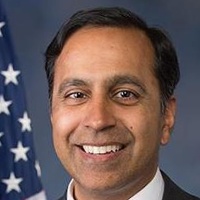
Raja Krishnamoorthi
Representative
IL
Raja Krishnamoorthi
Representative
IL
The Six Assurances to Taiwan Act codifies the historical U.S. commitments known as the Six Assurances, reinforcing the foundation of U.S. policy toward Taiwan. It explicitly states that the U.S. has not agreed to set a date for ending arms sales or to consult with Beijing on those sales. Furthermore, the Act establishes a mandatory Congressional review process before the President can pause arms sales or take actions that significantly alter the U.S. position on Taiwan's sovereignty. This legislation aims to ensure stability in the Taiwan Strait by upholding these long-standing policy guidelines.
This Act restricts federal subpoena power over insurance data, enhances confidentiality protections for data shared by the Federal Insurance Office, and limits the Office of Financial Research's ability to subpoena insurance companies while imposing new requirements on financial regulators when collecting data from them.
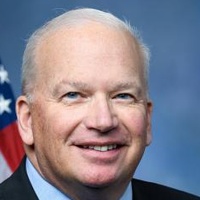
Scott Fitzgerald
Representative
WI
Scott Fitzgerald
Representative
WI
The Insurance Data Protection Act aims to adjust federal regulatory authority over insurance data by limiting the subpoena power of the Office of Financial Research against insurance companies. It also strengthens confidentiality protections for data shared with and held by the Federal Insurance Office and other financial regulators. Furthermore, the bill mandates that financial regulators must seek existing data from other sources before directly collecting information from insurance companies, ensuring data privacy is maintained.
This Act allows former federally funded highway land to be transferred to local entities or approved private developers for the purpose of building long-term affordable housing.
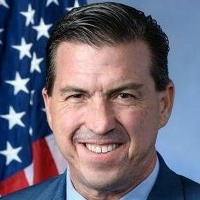
Kevin Mullin
Representative
CA
Kevin Mullin
Representative
CA
The Empty Lots to Housing Act streamlines the process for transferring federally funded, unneeded real property to local entities or qualified private developers. This transfer is contingent upon the recipient agreeing to long-term affordability requirements for the resulting housing. Specifically, at least 40% of new units must be affordable for low-income families, with a portion reserved for extremely low-income households.
This Act reinstates and extends the ability for taxpayers to deduct personal casualty losses from unexpected events like crimes, scams, and disasters without previous limitations.
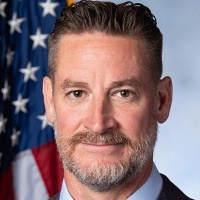
W. Steube
Representative
FL
W. Steube
Representative
FL
The Tax Relief for Victims of Crimes, Scams, and Disasters Act reinstates and removes limitations on the federal income tax deduction for personal casualty losses resulting from unexpected events like fires or floods. This legislation also extends the deadline for taxpayers to file claims for refunds related to these casualty loss deductions for past tax years. These changes apply to tax years beginning after December 31, 2017.
This Act allows states to use Surface Transportation Block Grant Program funds specifically for the construction of roundabouts.
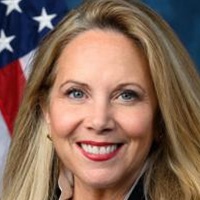
Laura Gillen
Representative
NY
Laura Gillen
Representative
NY
The Traffic Safety Enhancement Act of 2025 amends federal transportation funding rules to explicitly allow states to use Surface Transportation Block Grant Program funds for the construction of roundabouts. This change provides states with greater flexibility to implement modern intersection designs aimed at improving traffic flow and safety.
This resolution condemns Hamas for its brutal October 7th terrorist attacks on Israel and demands the immediate release of all remaining hostages.
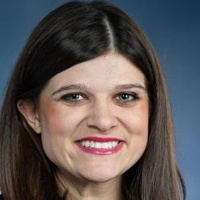
Haley Stevens
Representative
MI
Haley Stevens
Representative
MI
This resolution strongly condemns Hamas for its premeditated and brutal terrorist attacks against Israel on October 7, 2023. It details the resulting casualties and the ongoing hostage crisis, emphasizing the severe mistreatment of those held captive. The bill demands that Hamas immediately release all remaining hostages and allow them safe return.
This Act establishes a grant program to support law enforcement agencies in recruiting diverse candidates through targeted marketing and "Pathways to Policing" training initiatives.
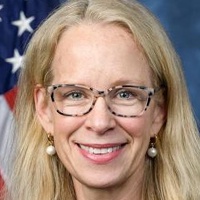
Kelly Morrison
Representative
MN
Kelly Morrison
Representative
MN
The Pathways to Policing Act establishes the Law Enforcement Hiring Support Grant program to help agencies recruit new officers. This grant money can be used for recruitment campaigns and developing programs that support candidates facing barriers to entering law enforcement. The Act prioritizes funding for agencies seeking to increase diversity and hire candidates connected to the communities they will serve. Additionally, it mandates a national marketing effort to encourage diverse individuals to pursue careers in policing.
This resolution formally expresses Congress's support, gratitude, and recognition for the dedication and sacrifices of local law enforcement officers.
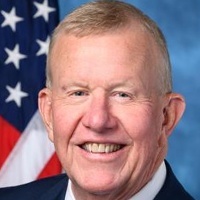
Mike Ezell
Representative
MS
Mike Ezell
Representative
MS
This Concurrent Resolution formally expresses the appreciation of Congress for the dedication and service of local law enforcement officers across the nation. It recognizes the sacrifices made by officers and their families in keeping communities safe. The resolution also encourages strong partnerships between police departments and the communities they serve.
This Act establishes a comprehensive U.S. strategy for the Pacific Islands region, mandates regular strategy reports, extends diplomatic immunities to the Pacific Islands Forum, and requires coordination with allies on regional assistance.
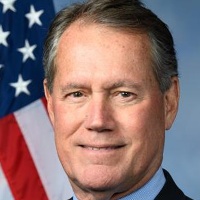
Ed Case
Representative
HI
Ed Case
Representative
HI
The Pacific Partnership Act formally establishes the U.S. commitment to strengthening its comprehensive policy toward the Pacific Islands region, emphasizing peace, security, and prosperity. It mandates the President to develop and submit a detailed "Strategy for Pacific Partnership" to Congress by 2026 and 2030, outlining diplomatic, economic, and security goals. Furthermore, the bill enhances coordination with allies on aid delivery and grants the Pacific Islands Forum diplomatic immunities. Finally, it requires enhanced reporting from the State Department on transnational issues affecting the region.
This bill directs the National Advisory Council on Nurse Education and Practice to investigate the national nursing shortage and report recommendations for strengthening the nursing workforce within one year.
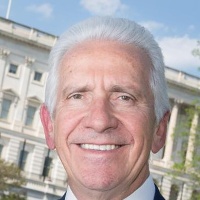
Jim Costa
Representative
CA
Jim Costa
Representative
CA
The MORE Nurses Act mandates a comprehensive, one-year study by the National Advisory Council on Nurse Education and Practice to investigate the growing national nursing shortage. This investigation will analyze current workforce capacity, training limitations, and the impact of existing federal policies. The Council is required to deliver a final report to Congress and the President detailing its findings and offering specific legislative recommendations to strengthen nursing education and the workforce.