Legislative Activity
Track Ralph's sponsored bills, co-sponsored legislation, and voting record
This bill mandates that states prohibit issuing standard driver's licenses to non-citizens or non-lawful permanent residents or face the withholding of 50% of their federal highway funding.
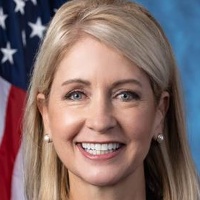
Mary Miller
Representative
IL
Mary Miller
Representative
IL
The SAFE Driving Laws Act aims to ensure that states only issue standard driver's licenses to U.S. citizens or lawful permanent residents. To comply, states must prohibit issuing licenses to non-citizens and must cooperate fully with federal immigration enforcement information sharing. States failing to meet these requirements starting in fiscal year 2027 will face the withholding of 50% of their federal highway funding.
This Act limits the sharing of consumer reports requested in connection with a residential mortgage loan to prevent unauthorized access to homebuyers' sensitive financial information.
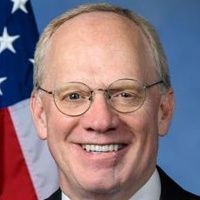
John Rose
Representative
TN
John Rose
Representative
TN
The Homebuyers Privacy Protection Act limits how consumer reporting agencies can share a consumer's report when it is requested in connection with a residential mortgage loan. Reports can only be shared with entities directly involved in the consumer's current mortgage or those providing a firm offer of credit or insurance. The Act also mandates a study by the GAO regarding the use and impact of "trigger leads" derived from credit checks.
This bill directs the House Oversight Committee to continue its investigation into the mismanagement of the Jeffrey Epstein and Ghislaine Maxwell cases and mandates the public release of most related government documents.
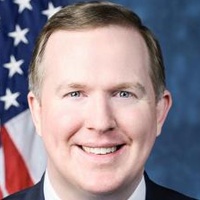
Brian Jack
Representative
GA
Brian Jack
Representative
GA
This bill directs the House Oversight Committee to continue its investigation into the federal government's handling of the Jeffrey Epstein and Ghislaine Maxwell cases, focusing on potential mismanagement and combating sex trafficking. It strongly supports the Committee's ongoing subpoenas and mandates the public release of nearly all unclassified documents related to the investigation, with very limited exceptions. The overall goal is to identify legislative changes needed to improve federal sex crime prosecution and transparency.
This Act bans Members of Congress and their immediate families from trading or owning specific investments while in office, requiring divestment within 90 to 180 days or facing significant financial penalties.
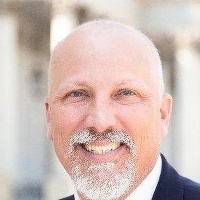
Chip Roy
Representative
TX
Chip Roy
Representative
TX
The Restore Trust in Congress Act establishes strict new rules prohibiting Members of Congress and their immediate families from owning or trading specific financial assets, referred to as "covered investments," while in office. Covered individuals must divest existing prohibited holdings within a set timeframe or face significant financial penalties, including fines and forfeiture of profits. The legislation aims to eliminate conflicts of interest arising from personal financial trading while serving in federal office.
This bill prohibits accrediting agencies from considering race, color, sex, or national origin in their reviews and establishes specific "free inquiry" standards for colleges to maintain federal recognition.
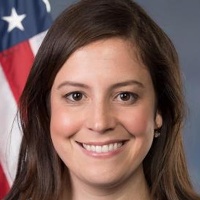
Elise Stefanik
Representative
NY
Elise Stefanik
Representative
NY
The Fairness in Higher Education Accreditation Act revises federal recognition standards for accrediting agencies, prohibiting them from basing decisions on the race, color, sex, or national origin of a school's constituents. The bill also establishes new "free inquiry" standards based on First Amendment principles for public institutions, while providing broad religious exemptions. Finally, it grants affected institutions a specific right to sue if their accreditation is threatened due to an agency violating these new prohibitions.
This Act codifies Executive Order 14322 into law to provide statutory protection for college sports.
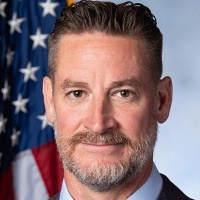
W. Steube
Representative
FL
W. Steube
Representative
FL
The Protection of College Sports Act officially codifies Executive Order 14322 into federal law. This action transforms the previous executive order into a legally binding statute with the full force of Congressional legislation. The bill essentially ensures the mandates and requirements of the original order are permanently established in law.
This Act establishes a federal database to identify and prohibit federal funding for state and local governments deemed to have sanctuary policies that conflict with immigration enforcement.
Chip Roy
Representative
TX
Chip Roy
Representative
TX
The Sanctuary Penalty and Public Protection Act of 2025 establishes a federal database to identify and publicly list state and local governments deemed to have policies that obstruct federal immigration enforcement. Jurisdictions placed on this "sanctuary jurisdiction" list will be prohibited from receiving or using any new federal funding. This act aims to penalize local governments that refuse to fully cooperate with federal immigration detainers and enforcement requests.
This bill requires the District of Columbia to allow Members of Congress with valid concealed carry permits from their home states to carry concealed firearms within the District.
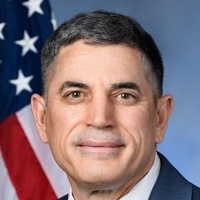
Andrew Clyde
Representative
GA
Andrew Clyde
Representative
GA
This bill would require the District of Columbia to recognize valid concealed carry permits or the legal right to carry a concealed firearm held by Members of Congress from their home states. Specifically, it allows Senators, Representatives, Delegates, and Resident Commissioners to carry a concealed firearm in D.C. provided they meet federal eligibility requirements and carry proper identification.
This act prohibits federal funding for local law enforcement agencies that employ non-citizen police officers.
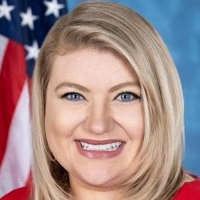
Katherine Cammack
Representative
FL
Katherine Cammack
Representative
FL
The Citizen-Only Police Act of 2025 (COP Act of 2025) prohibits federal funding for any local law enforcement agency that employs non-citizens as police officers. This act ensures that federal resources are only allocated to departments where all sworn officers are legal residents or citizens.
This bill ends the liability shield for vaccine manufacturers by allowing individuals to sue directly in court or seek compensation through the existing program, while also removing time limits for program claims and excluding COVID-19 vaccines from countermeasure liability protections.

Paul Gosar
Representative
AZ
Paul Gosar
Representative
AZ
The End the Vaccine Carveout Act fundamentally changes vaccine injury compensation by allowing individuals to choose between filing a claim through the existing National Vaccine Injury Compensation Program or suing the manufacturer or administrator directly in court. This legislation removes the liability shield for vaccine makers and eliminates time limits for filing claims with the Program. Additionally, it specifically excludes COVID-19 vaccines from existing countermeasure liability protections.
This Act prohibits covered foreign entities from acquiring or leasing U.S. agricultural land and temporarily bans them from purchasing residential real estate, imposing severe penalties for non-compliance.
Mary Miller
Representative
IL
Mary Miller
Representative
IL
This Act prohibits "covered foreign entities," primarily defined as those connected to the People's Republic of China, from acquiring or leasing U.S. agricultural land. Covered entities currently owning such land must divest within one year or face severe daily fines and potential criminal forfeiture. Additionally, the bill imposes a temporary two-year ban on these same entities purchasing residential real estate, with separate penalties for non-compliance. The legislation mandates the creation of new enforcement offices within the Departments of Agriculture and Commerce to oversee compliance.
This bill amends federal law to include violations related to rioting within the definition of racketeering activity.
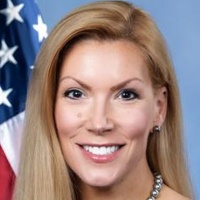
Beth Van Duyne
Representative
TX
Beth Van Duyne
Representative
TX
This bill amends federal law to explicitly include violations related to rioting within the definition of "racketeering activity." By adding this specific crime to the list under Title 18, Section 1961(1), the legislation makes participation in such activities subject to serious federal racketeering charges. This change treats rioting violations similarly to other established offenses like bribery or extortion for the purposes of federal prosecution.
This Act prohibits the Federal Reserve from directly or indirectly issuing a Central Bank Digital Currency (CBDC) and bars the Fed from developing or using one for monetary policy without explicit Congressional authorization.
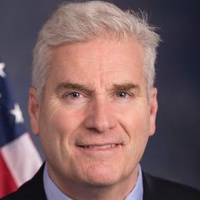
Tom Emmer
Representative
MN
Tom Emmer
Representative
MN
The Anti-CBDC Surveillance State Act strictly prohibits the Federal Reserve from directly or indirectly issuing a Central Bank Digital Currency (CBDC) to individuals. This legislation prevents the Fed from developing, testing, or implementing any digital currency that functions as a direct liability of the Federal Reserve. Furthermore, Congress asserts that any authority to create such a digital asset must explicitly come from Congress itself.
This Act prohibits lawsuits claiming discrimination based solely on the unintended, disproportionate statistical effect (disparate impact) of employment or housing practices.
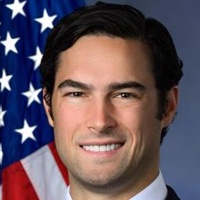
Brandon Gill
Representative
TX
Brandon Gill
Representative
TX
The Restoring Equal Opportunity Act aims to eliminate "disparate-impact liability" across major federal laws. This bill prohibits lawsuits claiming discrimination based solely on the unintended, disproportionate negative effect of a rule or practice. Consequently, it removes the ability to challenge employment and housing practices unless discriminatory intent can be proven. The Act also nullifies specific prior regulatory approvals related to civil rights enforcement.
This bill repeals the federal charter granted to the National Education Association.
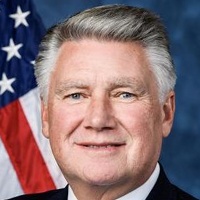
Mark Harris
Representative
NC
Mark Harris
Representative
NC
The National Education Association Charter Repeal Act aims to revoke the federal charter granted to the National Education Association (NEA). This legislation specifically repeals the section of U.S. Code that provides the NEA with its official federal recognition status. In essence, the bill removes the legal standing previously conferred upon the NEA by Congress.
This bill mandates that elementary, secondary, and higher education institutions must certify compliance with biological fairness requirements in women's sports to receive federal funding, with penalties for non-compliance.
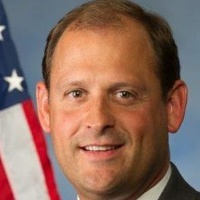
Garland Barr
Representative
KY
Garland Barr
Representative
KY
The Defend Girls Athletics Act mandates that elementary, secondary, and higher education institutions must certify compliance with Executive Order 14201 regarding biological fairness in women's sports to receive federal funding. This certification must be renewed annually for K-12 districts and by July 1st for colleges and universities. Failure to comply or report results in the immediate requirement to return unobligated federal funds and ineligibility for future federal financial assistance until compliance is restored.
The PBM Reform Act of 2025 mandates sweeping changes to increase transparency, ensure fair pharmacy access in Medicare, and prohibit abusive spread pricing in Medicaid by holding Pharmacy Benefit Managers accountable for their financial dealings.
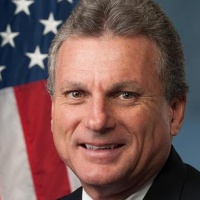
Earl Carter
Representative
GA
Earl Carter
Representative
GA
The Pharmacy Benefit Manager Reform Act of 2025 aims to increase transparency and accountability across the prescription drug supply chain. It mandates fairer pharmacy network access for Medicare beneficiaries and imposes strict new financial reporting and service fee requirements on Pharmacy Benefit Managers (PBMs) working with Medicare and private health plans. Furthermore, the bill establishes new federal mechanisms to accurately track drug acquisition costs in Medicaid and explicitly bans the practice of "spread pricing" in state Medicaid contracts.
This resolution expresses Congress's strong belief that "The Star-Spangled Banner" must be performed in public using the original English lyrics written by Francis Scott Key.
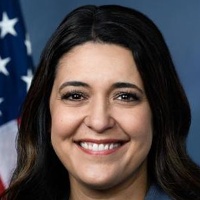
Stephanie Bice
Representative
OK
Stephanie Bice
Representative
OK
This resolution expresses the sense of Congress that any public performance of "The Star-Spangled Banner" must adhere strictly to the original English lyrics written by Francis Scott Key. It affirms the importance of preserving the historical integrity and unifying symbolism of the national anthem. The bill strongly encourages adherence to the original text as written in 1814.
This bill increases federal penalties for using incendiary devices, including burning the U.S. flag, while committing certain federal offenses, excluding constitutionally protected speech.
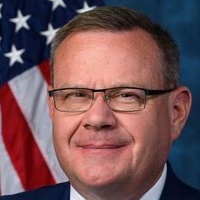
Tim Moore
Representative
NC
Tim Moore
Representative
NC
The Enhanced Penalties for Criminal Flag Burners Act aims to increase punishments for individuals who use fire or incendiary devices while committing federal crimes. This legislation specifically targets the use of open flames, including the burning of the U.S. flag, during the commission of federal offenses that endanger the public or damage property. Anyone convicted under these enhanced provisions will face an additional minimum of one year in prison, though the penalties do not apply to constitutionally protected speech.
This resolution expresses support for designating a "National Tire Safety Week" to educate the public on the importance of proper tire care and maintenance for road safety.
Tim Moore
Representative
NC
Tim Moore
Representative
NC
This resolution expresses strong support for designating a specific week as "National Tire Safety Week" to promote public awareness. The bill encourages all Americans to learn about and practice proper tire care and maintenance. Its goal is to reduce accidents, injuries, and fatalities caused by tire-related issues.