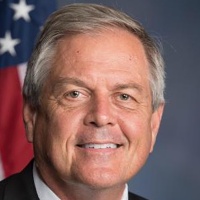
Legislative Activity
Track Ralph's sponsored bills, co-sponsored legislation, and voting record
The Legal Workforce Act mandates that all U.S. employers use a phased-in electronic verification system to confirm the employment eligibility of all new and existing employees.
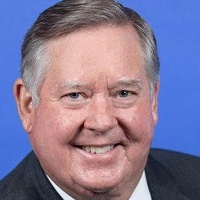
Ken Calvert
Representative
CA
Ken Calvert
Representative
CA
The Legal Workforce Act mandates that all U.S. employers use a new, electronic verification system to confirm the work eligibility of every new hire. This legislation replaces the existing E-Verify program with a phased-in, mandatory process that requires employers to verify both identity and work authorization for all employees. Additionally, the bill increases penalties for hiring unauthorized workers, establishes new fraud prevention measures, and preempts state laws to create a uniform national employment verification policy.
The REMAIN in Mexico Act of 2025 mandates the implementation of the Migrant Protection Protocols, requiring asylum seekers to wait in Mexico while their claims are processed.
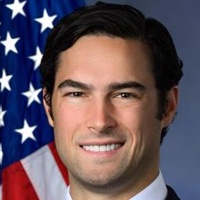
Brandon Gill
Representative
TX
Brandon Gill
Representative
TX
The REMAIN in Mexico Act of 2025 mandates that the Secretary of Homeland Security reinstate the Migrant Protection Protocols (MPP). This legislation requires that asylum seekers be returned to Mexico to await their U.S. immigration proceedings, effectively codifying the 2019 policy guidance into law.
The Federal Reserve Transparency Act of 2025 mandates a comprehensive audit of the Federal Reserve System by the Comptroller General, ensuring greater transparency and accountability. This act requires a detailed report to Congress with findings and recommendations, while also repealing audit limitations.
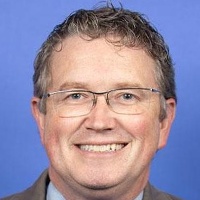
Thomas Massie
Representative
KY
Thomas Massie
Representative
KY
The Federal Reserve Transparency Act of 2025 mandates a comprehensive audit of the Federal Reserve System by the Comptroller General within one year. Following the audit, a detailed report must be submitted to Congress, including findings and recommendations. This act aims to increase transparency and accountability within the Federal Reserve System by repealing audit limitations.
The Stopping Border Surges Act implements stricter asylum eligibility requirements, accelerates deportation timelines for unaccompanied minors, and mandates family detention to deter unauthorized border crossings.
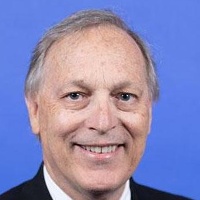
Andy Biggs
Representative
AZ
Andy Biggs
Representative
AZ
The Stopping Border Surges Act proposes comprehensive reforms to U.S. immigration policy by tightening asylum eligibility and accelerating the processing of unaccompanied minors. The bill mandates stricter screening standards, expands detention authority for families, and limits legal protections for those seeking asylum. Ultimately, the legislation aims to deter fraudulent claims and expedite removals through more restrictive border and interior enforcement measures.
The Land and Social Security Optimization (LASSO) Act allocates 10% of the annual revenue from Department of Interior and Agriculture activities on public lands to the Social Security Trust Fund, without raising prices or reducing funds to states or tribes.
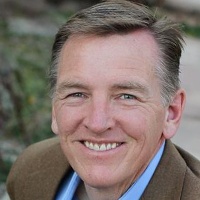
Paul Gosar
Representative
AZ
Paul Gosar
Representative
AZ
The Land And Social Security Optimization Act (LASSO Act) directs 10% of the revenue generated from activities on public lands managed by the Department of the Interior and the Forest Service to be deposited into the Social Security Trust Fund annually. This act does not authorize increasing prices for activities on public lands, nor does it reduce funds available to states, Indian Tribes, territories, or local governments from revenue generated on public lands.
The "WHO Withdrawal Act" withdraws the United States from the World Health Organization, prohibits funding to the WHO, and repeals the act that authorized U.S. participation.
Andy Biggs
Representative
AZ
Andy Biggs
Representative
AZ
The WHO Withdrawal Act withdraws the United States from the World Health Organization (WHO) upon enactment. It also prohibits any federal funds from being used to support the WHO or any successor organization. Finally, the act repeals the Act of June 14, 1948, which previously authorized U.S. participation and funding of the WHO.
The FIND Act prohibits federal agencies from contracting with entities that discriminate against the firearm and ammunition industry, ensuring fair access to government contracts for these businesses. Contractors must certify they do not discriminate against firearm entities, with violations leading to contract termination.
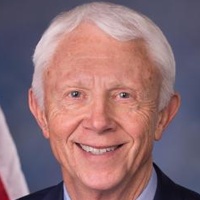
Jack Bergman
Representative
MI
Jack Bergman
Representative
MI
The FIND Act prohibits federal agencies from contracting with entities that discriminate against the firearm and ammunition industry. It requires federal contractors to certify they do not discriminate against firearm entities and prohibits them from awarding subcontracts to entities that do not provide a similar certification. Violations of these clauses will result in contract termination. The act defines "discriminate" as making judgments or refusing/limiting services based on biased criteria, rather than case-by-case evaluations, empirical data, financial risk, or legal non-compliance.