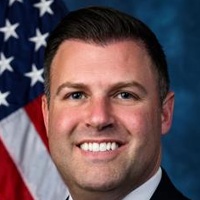
Legislative Activity
Track Ryan's sponsored bills, co-sponsored legislation, and voting record
The Safe Step Act mandates that group health plans using medication step therapy establish clear, timely exception processes for patients and doctors when required drugs are medically inappropriate or ineffective.
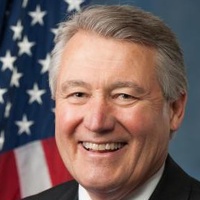
Rick Allen
Representative
GA
Rick Allen
Representative
GA
The Safe Step Act establishes mandatory, transparent exception processes for health plans that use "step therapy" protocols for prescription drugs. This ensures patients or their doctors can quickly request coverage for a prescribed medication when specific clinical criteria are met, such as previous treatment failure or risk of harm. Plans must decide on standard requests within 72 hours and urgent requests within 24 hours, and approved exceptions must last for at least one year. Furthermore, insurers must report detailed data annually on exception requests, approvals, and denials to the Secretary of Health and Human Services.
The HEADACHE Act establishes a National Headache Disorders Initiative, an advisory council, and mandates annual reporting to Congress to improve research, care, and data collection for headache disorders.
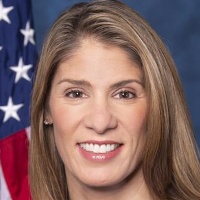
Lori Trahan
Representative
MA
Lori Trahan
Representative
MA
The HEADACHE Act establishes a comprehensive National Headache Disorders Initiative to improve research, workforce development, and care coordination for all headache disorders. It mandates the creation of an Advisory Council to guide federal efforts and requires the Secretary of Health and Human Services to submit annual reports to Congress detailing progress and recommending actions. This legislation aims to address disparities and reduce the societal and financial burden of these conditions before the Act automatically expires five years after enactment.
This resolution supports designating the week of September 21 through September 27, 2025, as "Gold Star Families Remembrance Week" to honor the families of fallen service members.
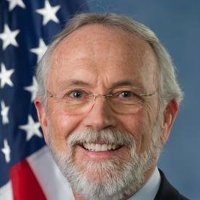
Dan Newhouse
Representative
WA
Dan Newhouse
Representative
WA
This resolution supports designating the week of September 21 through September 27, 2025, as "Gold Star Families Remembrance Week." The measure aims to officially recognize and honor the profound sacrifices made by families who have lost a loved one serving in the U.S. Armed Forces. It encourages communities nationwide to observe this week through acts of service and by celebrating the lives of these fallen service members.
This bill establishes a mechanism to ensure the Federal Aviation Administration remains funded and operational during a lapse in appropriations by drawing from the Airport and Airway Trust Fund.
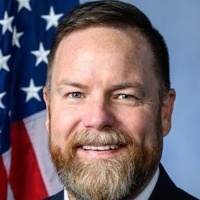
Aaron Bean
Representative
FL
Aaron Bean
Representative
FL
The Aviation Funding Stability Act of 2025 establishes a mechanism to ensure the Federal Aviation Administration (FAA) remains operational during a lapse in appropriations. If Congress fails to pass a budget, the FAA can draw from the Airport and Airway Trust Fund to continue existing programs and projects at the previous year's spending rate. This temporary funding lasts until a new budget is enacted or for a maximum of 30 days, whichever comes first. This measure aims to prevent disruptions to critical aviation services during government shutdowns.
This act eliminates federal income tax on overtime compensation earned by all workers.
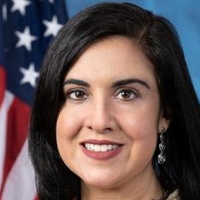
Nicole Malliotakis
Representative
NY
Nicole Malliotakis
Representative
NY
The No Tax on Overtime for All Workers Act amends the tax code to clarify and expand the definition of "qualified overtime compensation." This change ensures that overtime pay earned above a standard rate, whether mandated by the Fair Labor Standards Act or agreed upon beforehand with an employer, is treated favorably for tax purposes. The goal is to incentivize and reward workers for putting in extra hours.
This Act mandates that new passenger motor vehicles sold in the U.S. must include standard equipment capable of receiving AM broadcast radio signals.
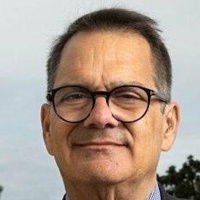
Gus Bilirakis
Representative
FL
Gus Bilirakis
Representative
FL
The AM Radio for Every Vehicle Act of 2025 mandates that the Secretary of Transportation establish a rule requiring AM broadcast radio receivers to be installed as standard equipment in new passenger motor vehicles. This requirement aims to ensure public access to AM radio signals, which are often used for emergency alerts. The bill also directs a GAO study on the effectiveness of AM radio within the national emergency alert system compared to other technologies. Finally, the Act preempts state and local laws on this matter and includes a sunset provision eight years after enactment.
This bill amends the Social Security Act to provide Medicare coverage for FDA-approved multi-cancer early detection screening tests starting in 2028.
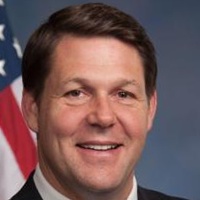
Jodey Arrington
Representative
TX
Jodey Arrington
Representative
TX
The Nancy Gardner Sewell Medicare Multi-Cancer Early Detection Screening Coverage Act amends the Social Security Act to provide Medicare Part B coverage for multi-cancer early detection screening tests starting January 1, 2028. This legislation establishes clear criteria for qualifying tests and outlines payment structures to ensure beneficiaries have access to these advanced diagnostic tools. Importantly, this coverage is designed to complement, rather than replace, existing Medicare-covered cancer screenings.
This bill establishes a tax credit for small businesses to cover 70% of the cost of installing diaper changing stations and dispensers in their public restrooms.
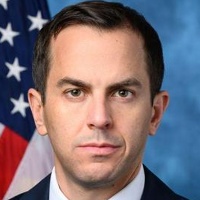
Robert Menendez
Representative
NJ
Robert Menendez
Representative
NJ
This bill establishes the "Diaper Changing Station Restroom Credit" to incentivize eligible small businesses to install family-friendly restrooms. The credit covers 70% of qualified expenses, up to a limit, for installing diaper changing stations and dispensers in both men's and women's restrooms at a business location. Eligibility is based on gross receipts or employee count, and the provisions apply to tax years beginning after December 31, 2025.
This resolution expresses the House of Representatives' support for designating October 14, 2025, as a National Day of Remembrance to honor the life and advocacy of Charlie Kirk.
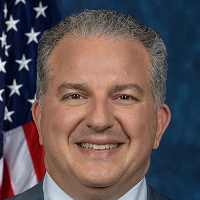
Jimmy Patronis
Representative
FL
Jimmy Patronis
Representative
FL
This resolution expresses the support of the House of Representatives for designating October 14, 2025, as a "National Day of Remembrance for Charlie Kirk." It honors his legacy as a leading advocate for free speech, individual liberty, and civic education, particularly among young Americans through his founding of Turning Point USA. The bill encourages citizens and groups nationwide to observe the day with activities promoting faith, liberty, and democracy.
This Act ensures the automatic continuation of pay for active duty military personnel and essential civilian support staff if Congress fails to pass a budget for fiscal year 2026.
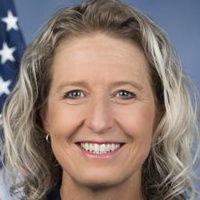
Jennifer Kiggans
Representative
VA
Jennifer Kiggans
Representative
VA
The Pay Our Troops Act of 2026 ensures that active duty military personnel and essential civilian support staff continue to receive their pay if Congress has not yet passed the full budget for fiscal year 2026. This act provides automatic continuing appropriations from the Treasury to prevent a lapse in military salaries due to budget delays. The funding automatically terminates once a new budget or continuing resolution is passed, or on January 1, 2027, whichever comes first.
This Act permanently classifies the entire class of highly potent synthetic opioids known as nitazenes as Schedule I controlled substances to combat overdose deaths.
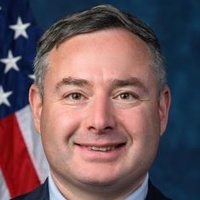
Eugene Vindman
Representative
VA
Eugene Vindman
Representative
VA
The Nitazene Control Act of 2025 permanently classifies the entire class of highly potent synthetic opioids known as nitazenes (2-Benzylbenzimidazole opioids) as Schedule I controlled substances. This action is taken due to their extreme danger, high potential for abuse, and role in fatal overdoses across the country. By scheduling the entire chemical class at once, the bill aims to proactively stop the emergence of new, dangerous analogs. This permanent scheduling subjects nitazenes to the strictest federal controls, mirroring those applied to fentanyl.
This bill mandates a GAO study on pediatric liver disease outcomes and establishes a public education program to raise awareness about early detection and living liver donation.
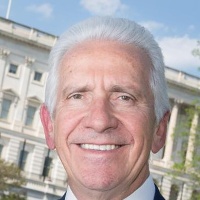
Jim Costa
Representative
CA
Jim Costa
Representative
CA
The Ian Kalvinskas Pediatric Liver Cancer Early Detection and Screening Act aims to improve outcomes for children with liver disease by initiating studies on current federal efforts and waitlist mortality. It mandates the development of a public education program to raise awareness about early liver disease signs and living liver donation. Furthermore, the bill directs an assessment of the cost-effectiveness of adding direct bilirubin testing to newborn screening panels to catch conditions like biliary atresia earlier.
This resolution strongly condemns the assassination of Charlie Kirk and calls for national change inspired by his life and tragic death.
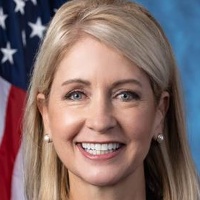
Mary Miller
Representative
IL
Mary Miller
Representative
IL
This resolution strongly condemns the assassination of conservative activist Charlie Kirk on September 10, 2025, during his national speaking tour. It honors his life, his founding of Turning Point USA, and his dedication to conservative principles. Ultimately, the document calls for national unity and reaffirms the commitment to protecting the right to peaceful assembly and free expression.
This bill formally establishes and funds a dedicated unit within the State Department to deploy Regional China Officers globally to monitor and counter People's Republic of China influence.
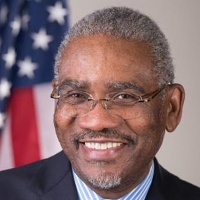
Gregory Meeks
Representative
NY
Gregory Meeks
Representative
NY
The Regional China Officer Authorization Act formally establishes and expands the State Department's Regional China Officer (RCO) program within a new dedicated unit. This unit will deploy Mandarin-proficient Foreign Service Officers globally to monitor, report on, and counter the People's Republic of China's activities in key areas like trade and infrastructure. The Act authorizes specific funding for the program's expansion and operations for five years, after which the unit will sunset.
This act ensures that essential Border Patrol Agents and Customs Officers receive their salaries during a government shutdown in fiscal year 2026.
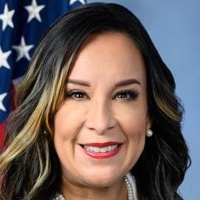
Mónica De La Cruz
Representative
TX
Mónica De La Cruz
Representative
TX
The Pay Our Border Patrol and Customs Agents Act ensures that essential U.S. Border Patrol Agents and Customs and Border Protection officers who must work during a government shutdown in fiscal year 2026 will receive their salaries. This legislation appropriates necessary funds from the Treasury to cover these payments during the lapse in appropriations. The goal is to guarantee that critical border security personnel are paid even if the government temporarily closes.
The RESULTS Act reforms how Medicare determines payment rates for clinical diagnostic laboratory tests by mandating the use of comprehensive, real-world private payor claims data collected from an independent entity.
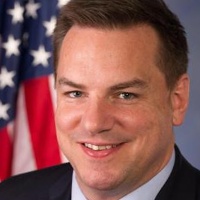
Richard Hudson
Representative
NC
Richard Hudson
Representative
NC
The Reforming and Enhancing Sustainable Updates to Laboratory Testing Services Act of 2025 (RESULTS Act) aims to improve Medicare payment rates for clinical lab tests by mandating the collection of more accurate, real-world payment data directly from large, independent private insurance claims databases. This legislation updates definitions, collection timelines, and calculation methods to ensure Medicare payments for widely available tests reflect current market rates. It also establishes default payment rules if sufficient private payor data cannot be secured.
This bill reauthorizes funding for programs supporting the mental health and treatment of officers in crisis for an additional five years, from 2025 through 2029.
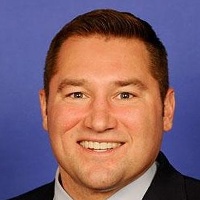
Guy Reschenthaler
Representative
PA
Guy Reschenthaler
Representative
PA
The Reauthorizing Support and Treatment for Officers in Crisis Act of 2025 extends crucial federal funding for programs supporting law enforcement officers in crisis. This bill specifically reauthorizes existing support and treatment initiatives for an additional five years, running from 2025 through 2029. It ensures continued resources are available for officers needing mental health and wellness assistance.
This Act establishes sanctions against Pakistani officials undermining democracy and human rights, while urging the U.S. government to promote democratic institutions in Pakistan until September 30, 2030.
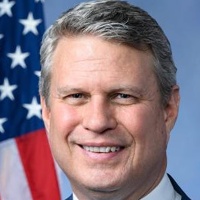
Bill Huizenga
Representative
MI
Bill Huizenga
Representative
MI
The Pakistan Freedom and Accountability Act expresses strong U.S. support for democracy and human rights in Pakistan, citing concerns over military influence and recent election interference. This legislation directs the President to identify and impose sanctions on Pakistani officials responsible for undermining democratic processes or committing serious human rights abuses. The Act emphasizes the need for civilian control over the military and sets an expiration date for its provisions in September 2030.
This Act bans Members of Congress and their immediate families from trading or owning specific investments while in office, requiring divestment within 90 to 180 days or facing significant financial penalties.
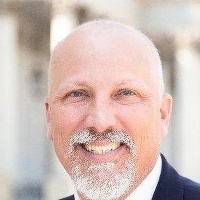
Chip Roy
Representative
TX
Chip Roy
Representative
TX
The Restore Trust in Congress Act establishes strict new rules prohibiting Members of Congress and their immediate families from owning or trading specific financial assets, referred to as "covered investments," while in office. Covered individuals must divest existing prohibited holdings within a set timeframe or face significant financial penalties, including fines and forfeiture of profits. The legislation aims to eliminate conflicts of interest arising from personal financial trading while serving in federal office.
This Act allows urbanized area formula grant funds to be used for public transportation operating costs, contingent upon recipients certifying and maintaining their local spending efforts.
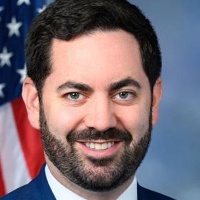
Michael Lawler
Representative
NY
Michael Lawler
Representative
NY
The Transit Funding Flexibility Act amends federal law to allow Urbanized Area Formula grant funds to be used more flexibly for public transportation operating costs. It removes specific population-based restrictions on grant eligibility. Crucially, recipients must now annually certify they will maintain their local spending effort for federally funded equipment and facilities, or face a mandatory 13% reduction in future federal funding.