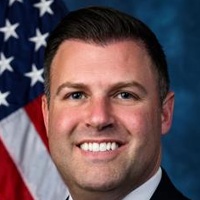
Legislative Activity
Track Ryan's sponsored bills, co-sponsored legislation, and voting record
This bill requires the Department of Defense to submit and publish annual reports to Congress on the progress and implementation of its redesigned compensation model for military child care workers.
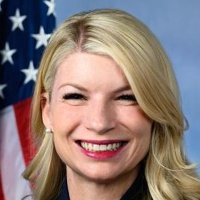
Brittany Pettersen
Representative
CO
Brittany Pettersen
Representative
CO
The Supporting Our Military Child Care Workforce Act mandates that the Department of Defense provide Congress with regular, transparent reports on the progress of its child care compensation model redesign. By requiring detailed updates and public disclosure of implementation timelines, this legislation ensures accountability in improving pay and support for the military’s essential child development workforce.
This bill restricts stock trading by Members of Congress and their families while establishing new federal requirements for voters to provide photo identification in federal elections.
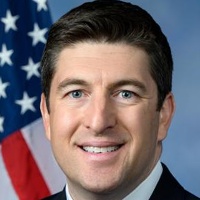
Bryan Steil
Representative
WI
Bryan Steil
Representative
WI
The Stop Insider Trading Act restricts Members of Congress, their spouses, and dependent children from purchasing or selling individual stocks to prevent conflicts of interest. Additionally, the bill mandates that voters provide valid photo identification when voting in person or by mail in federal elections.
This bill authorizes a seven-year grant program for the National Law Enforcement Officers Memorial Fund to support the National Law Enforcement Museum’s educational, community outreach, and officer wellness initiatives.
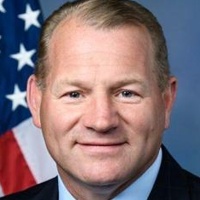
Troy Nehls
Representative
TX
Troy Nehls
Representative
TX
The National Law Enforcement Officers Remembrance, Support, and Community Outreach Act authorizes $6 million in annual grants over seven years to the National Law Enforcement Officers Memorial Fund. These funds will support the National Law Enforcement Museum’s public education, community outreach, and officer safety and wellness programs. As a condition of the grant, the museum must provide free admission to law enforcement officers and their families, as well as dedicated free hours for the general public.
The STRATA Act of 2026 establishes a State Department-led program to strengthen national security and economic competitiveness by fostering international partnerships for the development and diversification of critical mineral supply chains.
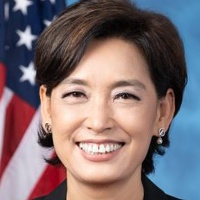
Young Kim
Representative
CA
Young Kim
Representative
CA
The STRATA Act of 2026 establishes a State Department-led program to strengthen national security and economic competitiveness by partnering with trusted allies to develop secure, diversified critical mineral supply chains. The legislation fosters innovation through international research centers, streamlined technology adoption, and a digital platform for American businesses, while strictly prohibiting participation from adversarial nations. To ensure ongoing oversight, the Act includes a ten-year sunset provision that requires Congress to review and reauthorize these initiatives in the future.
This bill clarifies that a franchisor is only considered a joint employer of a franchisee's workers if it exercises substantial, direct, and immediate control over essential terms of employment.
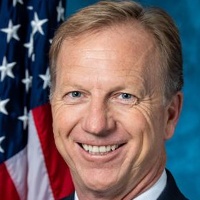
Kevin Hern
Representative
OK
Kevin Hern
Representative
OK
The American Franchise Act aims to protect the traditional franchise business model by clarifying the definition of a "joint employer." This legislation establishes that a franchisor is only considered a joint employer if it exercises "substantial direct and immediate control" over the essential terms of employment for a franchisee's workers. This change specifically targets liability risks associated with maintaining brand standards, ensuring franchisors are not automatically held responsible for local labor practices. The new standard applies prospectively to future legal proceedings.
Tyler's Law mandates a study and subsequent guidance on the routine testing for fentanyl in hospital emergency departments during overdose treatment.
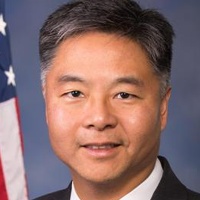
Ted Lieu
Representative
CA
Ted Lieu
Representative
CA
Tyler's Law mandates a comprehensive study by the Secretary of Health and Human Services on the frequency, cost, and impact of fentanyl testing in hospital emergency departments during overdose cases. Following the study, the Secretary must issue guidance on whether routine fentanyl testing should become standard practice for overdose patients. This guidance will also address staff training regarding existing drug test panels and the long-term health implications of such testing.
This bill establishes a federal standard requiring large industrial electricity customers to fully cover the costs of necessary utility infrastructure upgrades and provide financial assurances before construction begins.
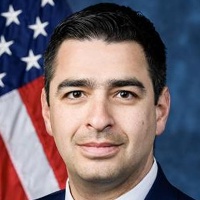
Gabe Evans
Representative
CO
Gabe Evans
Representative
CO
The Ratepayer Protection Act establishes a new federal standard requiring electric utilities to ensure large industrial customers (100 MW or more) fully cover the costs of necessary infrastructure upgrades. This mandates that large-load customers provide financial assurances before construction begins, protecting existing ratepayers from bearing the risk of future contract terminations. States must consider and adopt this standard within two years, unless they have already implemented similar requirements.
The "Combating Illicit Xylazine Act" aims to combat the misuse of xylazine by adding it to Schedule III of the Controlled Substances Act, tracking its distribution, and ensuring appropriate penalties for related offenses, while also protecting legitimate veterinary use.
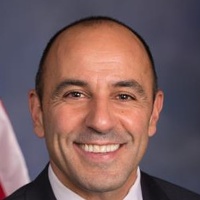
Jimmy Panetta
Representative
CA
Jimmy Panetta
Representative
CA
The "Combating Illicit Xylazine Act" aims to combat the illegal use of xylazine by adding it to Schedule III of the Controlled Substances Act, which would allow for increased regulation and tracking of the substance. The bill includes exemptions and delayed effective dates for certain requirements to ease the transition for legitimate users, such as veterinarians and animal handlers. It also directs the Sentencing Commission to review sentencing guidelines for xylazine-related offenses and mandates reports to Congress on the prevalence and impact of illicit xylazine use. Finally, it will include xylazine in Arcos tracking.
The AADAPT Act expands grant eligibility and funding to integrate dementia care services into health centers through 2031.
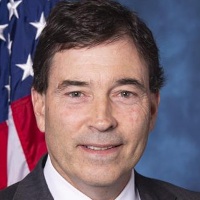
Troy Balderson
Representative
OH
Troy Balderson
Representative
OH
The AADAPT Act expands access to specialized dementia care by authorizing grants for public and nonprofit health centers to integrate these services into their programs. Additionally, the bill extends federal funding authorization through 2031 to ensure the continued growth and sustainability of these critical health outcomes.
This bill mandates electronic prior authorization, increases transparency through required data reporting, and establishes faster decision timelines for Medicare Advantage plans to improve timely access to care for seniors.
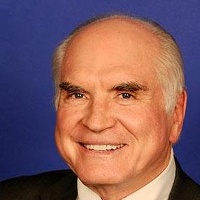
Mike Kelly
Representative
PA
Mike Kelly
Representative
PA
The Improving Seniors’ Timely Access to Care Act of 2025 aims to streamline and modernize the prior authorization process within Medicare Advantage plans. This bill mandates the adoption of electronic prior authorization systems and significantly increases transparency regarding approval rates and decision times starting in 2027. Furthermore, it establishes new enrollee protections and grants the Secretary authority to enforce faster decision timeframes for medical services.
The General Aviation Protection (GAP) Act strengthens national security by mandating rigorous federal reviews, supply chain audits, and investment restrictions for foreign-controlled entities operating within the U.S. general aviation sector.
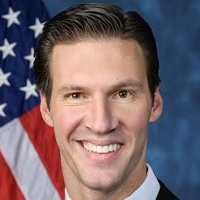
Pat Harrigan
Representative
NC
Pat Harrigan
Representative
NC
The General Aviation Protection (GAP) Act strengthens national security by implementing rigorous oversight of foreign investments in the U.S. general aviation sector. The bill mandates stricter CFIUS reviews for aviation-related transactions, establishes supply chain integrity audits, and restricts federal financial assistance to entities controlled by foreign adversaries. By tightening controls on dual-use technologies and foreign ownership, the Act aims to protect critical aerospace infrastructure and manufacturing capabilities from exploitation.
The Sunshine Protection Act of 2025 establishes daylight saving time as the permanent, year-round standard time across the United States, while providing states the option to maintain their current standard time.
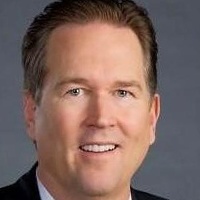
Vern Buchanan
Representative
FL
Vern Buchanan
Representative
FL
The Sunshine Protection Act of 2025 proposes making daylight saving time the permanent, year-round standard time across the United States. By advancing standard time zones by one hour, the bill eliminates the need for biannual clock changes. Additionally, it provides states that currently observe standard time year-round the option to maintain their existing timekeeping practices.
The SAFEGUARDS Act of 2026 mandates that aviation security fees be exclusively dedicated to funding essential safety initiatives, infrastructure upgrades, and advanced checkpoint technology.
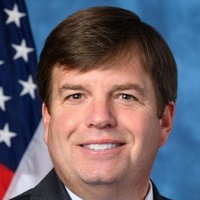
Dale Strong
Representative
AL
Dale Strong
Representative
AL
The SAFEGUARDS Act of 2026 ensures that passenger-paid aviation security fees are used exclusively for their intended purpose: strengthening commercial aviation safety. The bill mandates that these funds be directed toward essential security initiatives, including the modernization of screening technology and the support of security personnel. By establishing dedicated funding streams, the legislation aims to protect traveler security and restore public trust in the management of aviation fees.
This resolution designates July 10th as Journeyman Lineworkers Recognition Day to honor the essential service and sacrifices of the professionals who maintain our nation’s power grid.
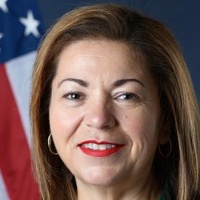
Linda Sánchez
Representative
CA
Linda Sánchez
Representative
CA
This resolution designates July 10th as Journeyman Lineworkers Recognition Day to honor the essential, high-risk work performed by these skilled professionals. It pays tribute to the lineworkers who provide critical service during emergencies and recognizes those who have made the ultimate sacrifice in the line of duty.
The Federal Jobs for STARs Act of 2026 mandates the removal of unnecessary degree requirements for federal positions and creates new pathways for hiring and training individuals who have developed skills through alternative routes.
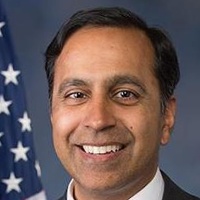
Raja Krishnamoorthi
Representative
IL
Raja Krishnamoorthi
Representative
IL
The Federal Jobs for STARs Act of 2026 aims to expand federal employment opportunities for skilled workers without bachelor’s degrees by removing unnecessary educational requirements. The bill directs the Office of Personnel Management to prioritize skills-based hiring, create dedicated job search pathways, and study new training and educational support programs for these employees.
This resolution expresses support for designating June 2026 as National Post-Traumatic Stress Awareness Month and June 27, 2026, as National Post-Traumatic Stress Awareness Day to raise awareness and reduce the stigma surrounding PTSD, especially among veterans.
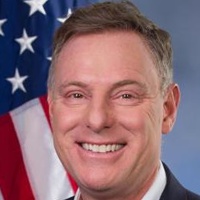
Scott Peters
Representative
CA
Scott Peters
Representative
CA
This resolution expresses support for designating June 2026 as "National Post-Traumatic Stress Awareness Month" and June 27, 2026, as "National Post-Traumatic Stress Awareness Day." The goal is to raise public understanding and reduce the stigma surrounding post-traumatic stress, particularly among veterans. By promoting awareness, the bill seeks to encourage timely treatment for those suffering from this often-untreated condition.
This bill renames and revises the Great American Outdoors Act's maintenance fund, increases dedicated funding through new, higher fees for foreign visitors, and sets spending priorities for deferred maintenance across public lands agencies.
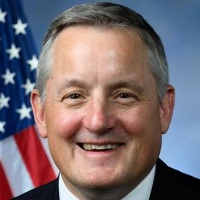
Bruce Westerman
Representative
AR
Bruce Westerman
Representative
AR
This bill, the Great American Outdoors Act 250, significantly reforms and renames the existing public lands restoration fund to the America’s Legacy Restoration Fund. It secures dedicated funding streams, primarily from energy revenues and new fees on foreign visitors, to address critical deferred maintenance across the National Park Service, Forest Service, and other public land agencies. The legislation establishes strict spending priorities for infrastructure repair while also creating pilot programs for enhancing outdoor recreation and sportsmen's access. Finally, it mandates increased transparency and accountability through standardized metrics and public reporting on all funded projects.
This Act mandates updated threat analyses, strategy revisions, and performance metrics for enhancing security along the northern border.
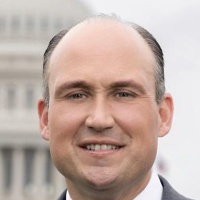
Nicholas Langworthy
Representative
NY
Nicholas Langworthy
Representative
NY
The Northern Border Security Enhancement and Review Act mandates updated threat analyses of the northern border every two years, with the first due by September 2, 2026. Following each analysis, the Department of Homeland Security must update its border strategy or formally explain why an update is unnecessary. The bill also requires classified briefings for Congress and the development of performance measures for Air and Marine Operations along the northern border.
This bill establishes a tax credit for building or renovating grocery stores located in designated food deserts.
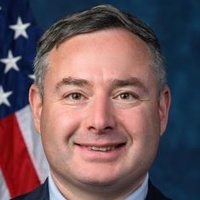
Eugene Vindman
Representative
VA
Eugene Vindman
Representative
VA
This bill, the Grocery Affordability Act, establishes a new federal tax credit to incentivize the building or renovation of grocery stores in designated food deserts. The credit offers 30% of the cost for new construction or qualified renovations, capped at $500,000 annually per taxpayer. Eligibility is based on strict distance and economic criteria defining a food desert, ensuring the benefit targets underserved communities.
The ReCement Act streamlines regulations by excluding certain non-hazardous secondary materials used in cement manufacturing from the definition of solid waste.
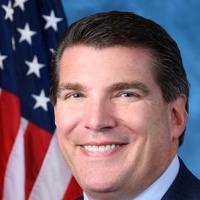
Jay Obernolte
Representative
CA
Jay Obernolte
Representative
CA
The ReCement Act reforms regulations to streamline the use of alternative fuels and raw materials in cement manufacturing. This is achieved by excluding specific, non-hazardous secondary materials from the definition of "solid waste" under federal law. This change allows cement producers to utilize these recovered resources more easily without triggering stringent solid waste regulations.