Legislative Activity
Track Ryan's sponsored bills, co-sponsored legislation, and voting record
This Act doubles the tax-free amount public safety officers can receive from government retirement plans to cover health and long-term care insurance premiums, increasing the exclusion from $3,000 to $6,000 starting in tax years after 2025.
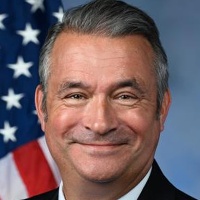
Don Bacon
Representative
NE
Don Bacon
Representative
NE
The Public Safety Retirees Healthcare Protection Act of 2025 aims to increase the amount of tax-free income public safety officers can receive from their government retirement plans to cover healthcare costs. Specifically, this bill doubles the current annual exclusion limit from $\$3,000$ to $\$6,000$. This increased tax benefit will apply to distributions taken in tax years beginning after December 31, 2025.
This act establishes a federal grant program to help law enforcement officers afford and access childcare during their off-hours.
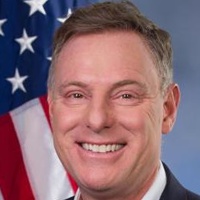
Scott Peters
Representative
CA
Scott Peters
Representative
CA
The Providing Child Care for Police Officers Act of 2025 establishes a new federal grant program to help law enforcement officers secure childcare during non-traditional hours. Administered by HHS, these competitive grants will fund local agencies to offer subsidies, start new facilities, or cover operational costs for officers. The program requires state agencies to apply and secure matching funds, with a sunset date of September 30, 2030.
Violet's Law mandates that federal research facilities establish procedures to place retired dogs, cats, nonhuman primates, guinea pigs, hamsters, and rabbits with approved rescue organizations, sanctuaries, shelters, or individuals.
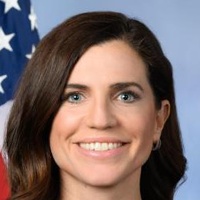
Nancy Mace
Representative
SC
Nancy Mace
Representative
SC
Violet's Law mandates that federal research facilities establish procedures to place retired research animals, including dogs, cats, and primates, into new homes. These facilities must adhere to the Animal Welfare Act standards and ensure animals are certified healthy by a veterinarian before adoption. Eligible placements include registered animal rescue organizations, sanctuaries, shelters, or private individuals.
This bill expands the definition of "law enforcement officer" for federal retirement purposes under FERS and CSRS to include specific IRS, Postal Inspection, and VA police employees, and establishes rules for how current employees can count prior service under the new designation.
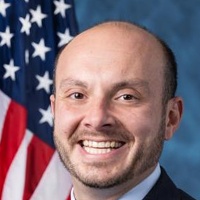
Andrew Garbarino
Representative
NY
Andrew Garbarino
Representative
NY
The Law Enforcement Officers Equity Act expands the definition of "law enforcement officer" for federal retirement purposes under both the Federal Employees Retirement System (FERS) and the Civil Service Retirement System (CSRS). This change adds specific IRS, Postal Inspection Service, and VA police roles to those eligible for enhanced retirement benefits. The bill also establishes procedures for current officers to elect to have their prior service counted under these new definitions, which may require a payment from the employee and their employing agency.
The American Ownership and Resilience Act establishes a Department of Commerce-run facility to leverage government backing for investment companies that finance the sale of businesses to Employee Stock Ownership Plans (ESOPs) or worker-owned cooperatives.
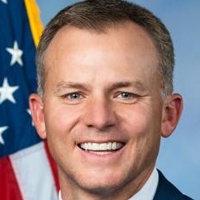
Blake Moore
Representative
UT
Blake Moore
Representative
UT
The American Ownership and Resilience Act establishes an Ownership Investment Facility within the Department of Commerce to provide government-backed leverage to investment companies. This facility is designed to encourage capital investments that support the sale of businesses to Employee Stock Ownership Plans (ESOPs) or worker-owned cooperatives. The bill sets strict oversight, fairness, and control requirements for these employee-centric transactions while establishing licensing and capital standards for the participating investment companies.
This Act establishes a grant program through the Department of Homeland Security to fund medical care for retired Federal working dogs living with their former handlers.
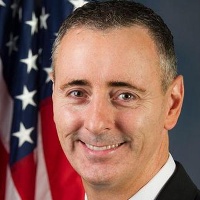
Brian Fitzpatrick
Representative
PA
Brian Fitzpatrick
Representative
PA
The Honoring our K9 Heroes Act establishes a new grant program administered by the Department of Homeland Security to help cover medical expenses for retired Federal working dogs. Eligible non-profit organizations with a history of supporting these retired K9s can apply for funding. This initiative is authorized with $1 million annually from Fiscal Year 2026 through 2030 to support dogs living with their former handlers.
The Community Services Block Grant Improvement Act of 2025 updates program goals, redefines eligibility using 200% of the poverty line, sets specific funding levels through 2032, and overhauls state application, oversight, and local agency governance requirements to better combat poverty and promote self-sufficiency.
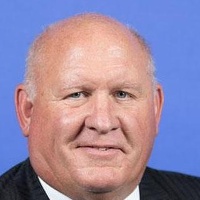
Glenn Thompson
Representative
PA
Glenn Thompson
Representative
PA
The Community Services Block Grant Improvement Act of 2025 aims to strengthen federal efforts to combat poverty by updating the core goals and operational rules of the Community Services Block Grant program. The bill revises definitions, sets a specific annual funding authorization through Fiscal Year 2032, and tightens requirements for state plans and local agency governance, including mandating tripartite boards. Ultimately, these changes seek to ensure grant funds are effectively used by local entities to promote the self-sufficiency of low-income individuals and families.
This bill establishes federal grants to support and improve existing state paid family leave programs while creating an interstate network to standardize paid leave policies and administration across state lines.
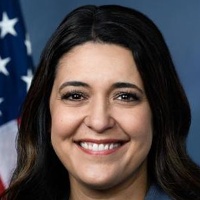
Stephanie Bice
Representative
OK
Stephanie Bice
Representative
OK
The More Paid Leave for More Americans Act aims to enhance paid family leave by establishing a federal grant program to support and improve existing state-level paid leave laws. It also creates the Interstate Paid Leave Action Network (IPLAN) to encourage states to standardize definitions, administration, and benefit coordination across state lines. This dual approach seeks to increase the quality of benefits for workers while simplifying compliance for employers operating in multiple states.
This bill makes diapers a qualified medical expense for tax-advantaged accounts and prohibits state and local governments from imposing sales tax on diaper purchases.
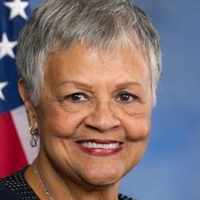
Bonnie Watson Coleman
Representative
NJ
Bonnie Watson Coleman
Representative
NJ
The Improving Diaper Affordability Act of 2025 addresses the significant financial burden and health risks associated with diaper need for American families. This bill makes diapers a qualified expense for tax-advantaged accounts like HSAs, FSAs, and HRAs, effectively lowering the cost through pre-tax dollars. Additionally, it prohibits state and local governments from imposing retail sales or use taxes on the purchase of diapers. These measures aim to increase access to this essential item for low-income households.
The Fight Fentanyl Act strengthens federal efforts against fentanyl trafficking by mandating detailed reporting from HIDTA programs, increasing their funding and purpose to target fentanyl interdiction, and requiring the Attorney General to assign additional prosecutors to these cases.
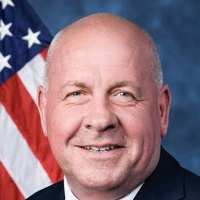
David Taylor
Representative
OH
David Taylor
Representative
OH
The Fight Fentanyl Act strengthens federal efforts to combat the fentanyl crisis by updating the High Intensity Drug Trafficking Areas (HIDTA) program. This legislation mandates increased reporting on fentanyl investigations, sets dedicated funding levels through 2030, and expands HIDTA purposes to prioritize fentanyl interdiction. Furthermore, it requires the Attorney General to ensure sufficient prosecutorial resources are dedicated to fentanyl trafficking cases through temporary AUSA assignments.
This Act establishes a 30% tax credit for businesses investing in qualifying on-site or municipal water reuse projects to encourage the use of recycled water.
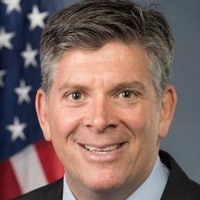
Darin LaHood
Representative
IL
Darin LaHood
Representative
IL
The Advancing Water Reuse Act establishes a new "qualifying water reuse project credit" to incentivize businesses to recycle water. This credit offers a 30% tax break on qualified investments in on-site water recycling systems or infrastructure that supports industrial or commercial water reuse. The tax incentive is designed to encourage the adoption of water conservation technologies until the end of 2032.
This act updates federal law to specifically prohibit the taking or transmitting of video of national defense information, treating it the same as photographic material.
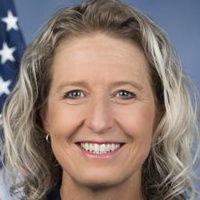
Jennifer Kiggans
Representative
VA
Jennifer Kiggans
Representative
VA
The Drone Espionage Act updates federal law to specifically prohibit the unauthorized taking or transmission of **video** of national defense information. This amendment modernizes existing statutes, ensuring that capturing sensitive material via video is treated the same as capturing it via photographs or negatives. The bill aims to strengthen protections against the illicit sharing of defense secrets using modern recording technology.
This act officially recognizes accounting education as part of a well-rounded curriculum to improve access to accounting programs, especially for underrepresented students.
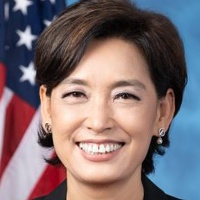
Young Kim
Representative
CA
Young Kim
Representative
CA
The Accounting STEM Pursuit Act of 2025 officially recognizes accounting education as a vital component of a well-rounded K-12 curriculum. This legislation amends federal education law to ensure accounting is counted within core curriculum planning frameworks. The Act specifically directs states and districts to improve access to quality accounting programs, with a focus on increasing opportunities for underrepresented students.
This Act improves early childhood nutrition programs by revising eligibility certification for proprietary centers, streamlining serious deficiency reviews, adjusting meal reimbursement limits, updating inflation calculations, and establishing an advisory committee to reduce paperwork burdens.
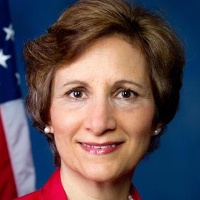
Suzanne Bonamici
Representative
OR
Suzanne Bonamici
Representative
OR
The Early Childhood Nutrition Improvement Act aims to strengthen federal nutrition programs for children by clarifying eligibility rules for for-profit childcare centers and mandating a comprehensive review of serious deficiency processes to ensure fairness and reduce unnecessary state-level burdens. The bill also adjusts meal reimbursement limits, updates inflation tracking for program costs, and establishes an advisory committee to drastically reduce paperwork and modernize administrative requirements for providers. These changes seek to streamline operations, improve consistency, and better support child care providers participating in federal meal programs.
This act establishes a federal program to gather, research, and disseminate critical health information regarding concussions and traumatic brain injuries among public safety officers.
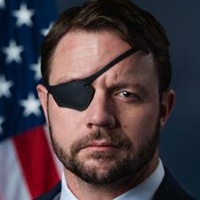
Dan Crenshaw
Representative
TX
Dan Crenshaw
Representative
TX
The Public Safety Officer Concussion and Traumatic Brain Injury Health Act of 2025 directs the CDC to gather and publicly share critical information regarding concussions and TBIs affecting public safety officers. This effort includes developing evidence-based practices for diagnosis, treatment, and prevention of these injuries. The resulting data will be disseminated through an updated CDC website and various outreach efforts to medical professionals, employers, and the families of officers.
This Act mandates comprehensive mental health education within the military's Transition Assistance Program and the VA's Solid Start Program to better support servicemembers leaving the military and reduce veteran suicide.
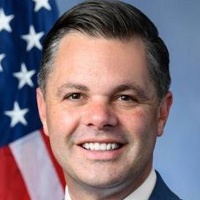
Zachary (Zach) Nunn
Representative
IA
Zachary (Zach) Nunn
Representative
IA
This Act mandates improvements to the mental health components of the Department of Defense's Transition Assistance Program (TAP) and the Department of Veterans Affairs' Solid Start Program. It ensures transitioning service members and new veterans receive comprehensive information on available mental health services, suicide risk, and related support resources. The Secretaries of Defense and Veterans Affairs must jointly report to Congress on these updates within one year of enactment.
The Bolstering Research And Innovation Now (BRAIN) Act aims to accelerate brain tumor research, improve patient access to clinical trials and specialized care, and enhance long-term survivor support through new funding, transparency requirements, and public awareness campaigns.
Brian Fitzpatrick
Representative
PA
Brian Fitzpatrick
Representative
PA
The Bolstering Research And Innovation Now (BRAIN) Act aims to significantly advance the fight against brain tumors by increasing research funding and improving patient access to care. This legislation establishes new networks for glioblastoma research, creates a public database for tracking biospecimens, and launches a national awareness campaign about clinical trials. Furthermore, the Act funds pilot programs to improve long-term care for survivors and directs the FDA to ensure brain tumor patients are not unfairly excluded from relevant clinical trials.
This Act mandates the TSA to establish and regularly update strict hygienic guidelines for screening breast milk, formula, and other essential baby liquids during aviation security checks.
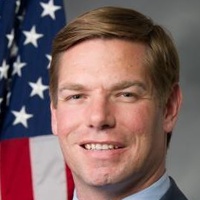
Eric Swalwell
Representative
CA
Eric Swalwell
Representative
CA
The Bottles and Breastfeeding Equipment Screening Enhancement Act mandates the TSA to develop and regularly update strict hygienic guidelines for screening breast milk, formula, and baby drinks at airport security checkpoints. These rules must be created in consultation with maternal health experts to minimize contamination risks during any necessary testing. Furthermore, the Inspector General will audit compliance with these new safety standards within one year of enactment.
The TAKE IT DOWN Act establishes federal criminal penalties for sharing nonconsensual intimate images (real or digitally forged) and mandates that covered online platforms remove such content within 48 hours of receiving a valid request.
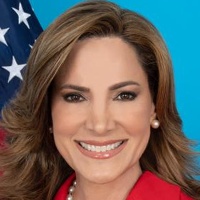
Maria Salazar
Representative
FL
Maria Salazar
Representative
FL
The TAKE IT DOWN Act establishes federal criminal penalties for the intentional sharing of both real and digitally forged nonconsensual intimate images, with stricter penalties for images involving minors. It mandates that covered online platforms create a clear process for victims to request the removal of such content within 48 hours. Failure by platforms to reasonably comply with these removal requests will be treated as an unfair or deceptive practice enforced by the Federal Trade Commission (FTC).
The Affordable Housing Credit Improvement Act of 2025 updates state allocation formulas, reforms tenant eligibility and credit determination rules, and enhances assistance for Native American and rural housing projects.
Darin LaHood
Representative
IL
Darin LaHood
Representative
IL
The Affordable Housing Credit Improvement Act of 2025 updates federal housing tax credit allocations to reflect current economic realities and boosts minimum state allotments. It reforms tenant eligibility rules to stabilize tenancy and enhance protections for vulnerable residents, including victims of abuse. The bill also provides disaster relief for property owners, increases incentives for housing the extremely low-income, and directs greater resources toward Native American and rural housing needs. Finally, it streamlines administrative processes and signals a future focus on data transparency and discouraging restrictive local zoning.