Legislative Activity
Track Ryan's sponsored bills, co-sponsored legislation, and voting record
This bill requires a report assessing the capacity and resource needs of the U.S. Mission in Australia to support growing U.S. government operations and objectives.
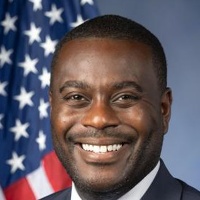
Gabe Amo
Representative
RI
Gabe Amo
Representative
RI
The Promoting Diplomacy with Australia Act mandates a comprehensive report from the State Department assessing the capacity of the U.S. Mission in Australia. This report must detail planned growth in staffing and operations through 2030, identify resource gaps, and recommend necessary funding to support key U.S. objectives and the U.S.-Australia alliance.
This Act establishes an interagency task force to combat foreign robocalls, modifies FCC review frequency, introduces a bond requirement for the Robocall Mitigation Database, and grants immunity for private efforts to trace unlawful robocall origins.
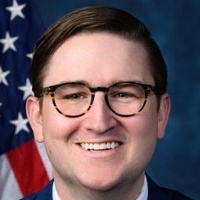
Addison McDowell
Representative
NC
Addison McDowell
Representative
NC
The Foreign Robocall Elimination Act establishes an interagency taskforce to study and recommend strategies for combating unlawful robocalls originating from outside the United States. It also grants the FCC authority to require providers to post a bond to ensure integrity in the Robocall Mitigation Database. Furthermore, the bill provides legal immunity for private consortiums tracing the origin of these illegal calls and allows for the publication of non-cooperative providers.
This bill directs the Department of Defense to establish a pilot program partnering basic needs banks with military installations to provide essential diapers and diapering supplies to military families.
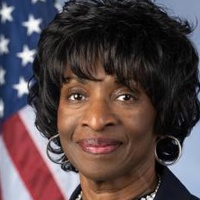
Valerie Foushee
Representative
NC
Valerie Foushee
Representative
NC
This bill directs the Secretary of Defense to establish a pilot program creating partnerships between military installations and qualified basic needs banks. The goal of this program is to provide essential diapers and diapering supplies to military families in need. The Secretary must also seek collaboration with the National Diaper Bank Network for technical assistance and program evaluation.
This bill mandates the revision of the Standard Occupational Classification system to establish a distinct code for Direct Support Professionals to better recognize their critical role in supporting individuals with disabilities.
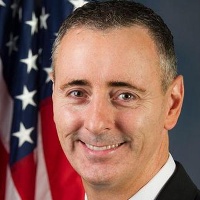
Brian Fitzpatrick
Representative
PA
Brian Fitzpatrick
Representative
PA
The Recognizing the Role of Direct Support Professionals Act aims to address the critical shortage and high turnover among Direct Support Professionals (DSPs) who assist individuals with intellectual and developmental disabilities. The bill mandates that the Office of Management and Budget review and revise the Standard Occupational Classification system to establish a distinct code for DSPs. This change will allow for more accurate labor market data collection to better support these essential workers. The Act does not authorize any new funding.
This act mandates Medicare coverage for FDA-approved early detection screening tests for Alzheimer's disease and related dementias beginning in 2028.
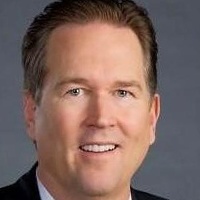
Vern Buchanan
Representative
FL
Vern Buchanan
Representative
FL
The Alzheimer’s Screening and Prevention Act of 2025 (ASAP Act) amends Medicare to cover early detection screening tests for Alzheimer's disease and related dementias starting in 2028. This coverage applies to FDA-cleared tests, including genomic sequencing and other equivalent diagnostic methods, designed to detect pre-symptomatic or early-stage conditions. The bill ensures these screenings are added to the list of covered medical services under Medicare.
The NEST Act establishes provisions for purchasing and distributing essential newborn supply kits to mothers and infants using reserved federal funds.

Julia Letlow
Representative
LA
Julia Letlow
Representative
LA
The Newborns Essentials Support Toolkit (NEST) Act establishes a program to purchase and distribute essential supply kits to mothers recovering from childbirth and their newborn infants. These kits will contain necessary supplies, educational materials on maternal health resources, and information on federal support programs. The legislation reserves federal funds from 2026 through 2030 to award grants to nonprofit entities for the nationwide distribution of these kits, prioritizing areas of greatest need.
This bill designates Farm Services Agency services as essential during government shutdowns to ensure continued support for rural communities.
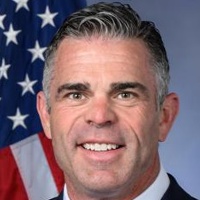
Tony Wied
Representative
WI
Tony Wied
Representative
WI
The Bringing Assistance for Rural Needs During Shutdowns Act designates services provided by the Farm Services Agency (FSA) as essential during a government shutdown. This ensures that FSA officers and employees can continue their work, recognizing their services as necessary for protecting human life and property.
This bill authorizes the posthumous award of a Congressional Gold Medal to Major Thomas D. Howie for his extraordinary heroism during the Battle of Normandy.
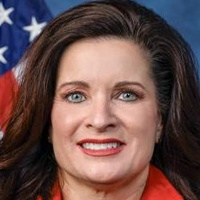
Sheri Biggs
Representative
SC
Sheri Biggs
Representative
SC
This bill authorizes the posthumous award of a Congressional Gold Medal to Major Thomas D. Howie for his extraordinary bravery and leadership during the Battle of Normandy. The medal will be presented to his next of kin before being permanently displayed at The Citadel Museum. The Treasury Secretary is also authorized to strike and sell bronze duplicates of the medal.
This resolution expresses support for National Adoption Day and Month by promoting awareness, celebrating adoption, and encouraging the nation to secure safety and well-being for all children awaiting families.
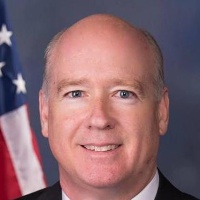
Robert Aderholt
Representative
AL
Robert Aderholt
Representative
AL
This resolution expresses support for National Adoption Day and Month by promoting national awareness of adoption and the children awaiting permanent families. It highlights the significant number of children in foster care waiting for adoption and encourages all Americans to consider providing a safe, permanent, and well-being-focused home for these children. The resolution supports various avenues for achieving permanency, including reunification, kinship care, and adoption.
This bill ensures the WIC program continues to operate without interruption during any potential funding lapse in fiscal year 2026 by providing automatic funding from the Treasury and retroactively reimbursing states.
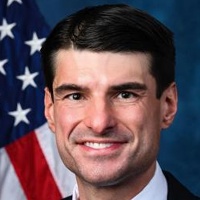
Robert Bresnahan
Representative
PA
Robert Bresnahan
Representative
PA
The Keep WIC Working Act ensures the Special Supplemental Nutrition Program for Women, Infants, and Children (WIC) continues uninterrupted during any potential funding lapse in fiscal year 2026. This bill authorizes automatic funding from the Treasury to maintain program operations if regular appropriations are delayed. It also retroactively reimburses states for any funds they used to keep WIC running during the lapse period.
This Act provides continuing appropriations to ensure FAA air traffic controllers and TSA security personnel receive pay and benefits if full fiscal year 2026 funding is delayed.
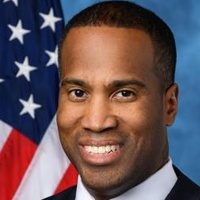
John James
Representative
MI
John James
Representative
MI
The Keep America Flying Act of 2026 ensures continuous funding for essential FAA air traffic controllers and TSA security personnel at the start of fiscal year 2026. This temporary measure guarantees these critical employees receive their pay and benefits if full appropriations are delayed. Funding provided under this Act will be charged against future enacted appropriations and terminates on September 30, 2026, or sooner upon the enactment of regular funding.
The Dads Matter Act of 2025 establishes a national campaign and state guidance to increase awareness and active inclusion of fathers in the pregnancy, birth, and postpartum process to improve health outcomes for mothers and babies.
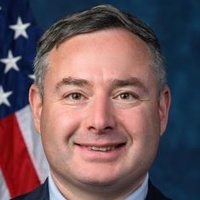
Eugene Vindman
Representative
VA
Eugene Vindman
Representative
VA
The Dads Matter Act of 2025 aims to improve maternal and child health outcomes by increasing awareness and support for father engagement during pregnancy, birth, and the postpartum period. The bill mandates a national public awareness campaign highlighting the benefits of involved fathers, such as better prenatal attendance and reduced maternal depression. Furthermore, it requires the Department of Health and Human Services to issue guidance encouraging healthcare providers to educate and include fathers in maternal and infant care.
This act ensures the uninterrupted funding of the Supplemental Nutrition Assistance Program (SNAP) for fiscal year 2026, even if Congress delays passing the full USDA budget.
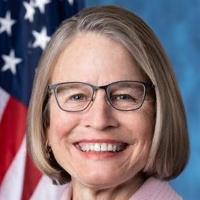
Mariannette Miller-Meeks
Representative
IA
Mariannette Miller-Meeks
Representative
IA
The Keep SNAP Funded Act of 2025 ensures that Supplemental Nutrition Assistance Program (SNAP) benefits continue without interruption if Congress fails to pass the full Department of Agriculture budget by October 1, 2025. This legislation authorizes automatic funding from the Treasury to maintain benefit payments. Furthermore, it guarantees that any benefits missed due to a funding lapse will be paid retroactively once the bill is enacted.
The Shutdown Fairness Act guarantees pay for essential federal employees and contractors required to work during a lapse in appropriations, effective retroactively to September 30, 2025.
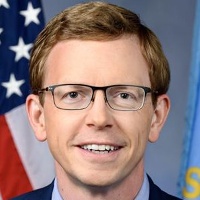
Dusty Johnson
Representative
SD
Dusty Johnson
Representative
SD
The Shutdown Fairness Act ensures that federal employees and contractors deemed essential are automatically paid for the work they perform during a lapse in appropriations, starting in fiscal year 2026. This automatic funding mechanism from the Treasury covers standard pay and benefits for excepted employees until Congress passes a full-year budget. Once regular funding is enacted, these payments are charged against the agency's final appropriation.
The EGG SAVE Act of 2025 establishes a temporary, declining tax credit for businesses installing highly accurate, pre-hatch embryo sex identification equipment in U.S. commercial egg hatcheries through 2028.
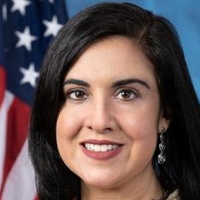
Nicole Malliotakis
Representative
NY
Nicole Malliotakis
Representative
NY
The Efficiency Gains through Grading Standards And Viable Enhancement Act of 2025 (EGG SAVE Act) establishes a temporary, declining tax credit for businesses that purchase and install high-accuracy, in-ovo sex identification equipment in U.S. commercial egg hatcheries. This credit encourages the adoption of technology that determines embryo sex before hatching, requiring a 95% accuracy rate. Claiming the credit necessitates a corresponding reduction in the equipment's tax basis.
This bill authorizes the striking and presentation of a Congressional Gold Medal to Donald J. Trump in recognition of his alleged extraordinary peacemaking efforts and brokered international agreements.
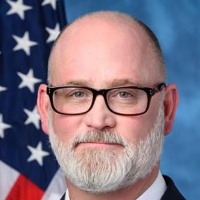
Derrick Van Orden
Representative
WI
Derrick Van Orden
Representative
WI
This bill authorizes the striking and presentation of a Congressional Gold Medal to Donald J. Trump in recognition of his alleged extraordinary peacemaking efforts globally. Congress specifically cites several purported international peace deals and ceasefires secured by the former President as justification for this high honor. The Act also outlines the process for creating and selling bronze duplicates of the medal to cover production costs.
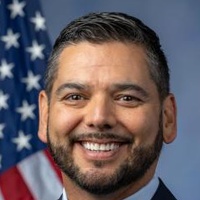
The HEATS Act ensures continuous funding for the Low-Income Home Energy Assistance Program (LIHEAP) by automatically drawing from the Treasury during a federal government shutdown.
Raul Ruiz
Representative
CA
Raul Ruiz
Representative
CA
The HEATS Act ensures that the Low-Income Home Energy Assistance Program (LIHEAP) continues to provide essential assistance payments even during a federal government shutdown. This legislation automatically draws necessary funds from the Treasury to cover LIHEAP obligations if discretionary funding lapses. The goal is to prevent interruptions in energy assistance for vulnerable households during periods of government funding uncertainty.
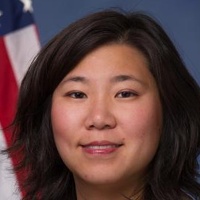
The Pray Safe Act of 2025 establishes a Department of Homeland Security Federal Clearinghouse to publish evidence-based safety and security best practices and information on federal grants for nonprofit organizations, faith-based organizations, and houses of worship.
Grace Meng
Representative
NY
Grace Meng
Representative
NY
The Pray Safe Act of 2025 establishes a Federal Clearinghouse within the Department of Homeland Security to publish evidence-based safety and security best practices for nonprofit organizations, faith-based organizations, and houses of worship. This Clearinghouse will centralize information on security recommendations and available federal grant programs to help these entities prevent and respond to threats. The Act also mandates a GAO report evaluating existing federal security grant programs for these organizations.
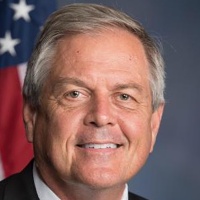
This constitutional amendment prohibits members of Congress from receiving compensation during any period of a government shutdown.
Ralph Norman
Representative
SC
Ralph Norman
Representative
SC
This proposed constitutional amendment would prohibit members of Congress from receiving any compensation for the duration of a government shutdown. If Congress fails to pass necessary funding, Senators and Representatives will not be paid until the government is fully operational again. The amendment also grants Congress the authority to enact laws to enforce this provision.
This act establishes a national awareness campaign to educate the public about the invasive spotted lanternfly and encourage its eradication.
Eugene Vindman
Representative
VA
Eugene Vindman
Representative
VA
The "If You See It, Squish It Act of 2025" mandates the Secretary of Agriculture to launch a national awareness campaign about the invasive spotted lanternfly. This campaign must include public service announcements encouraging the public to kill any lanternflies they encounter. The goal is to educate citizens on the threat this pest poses to local agriculture.