Legislative Activity
Track Ryan's sponsored bills, co-sponsored legislation, and voting record
This bill amends ERISA to classify pharmacy benefit managers (PBMs) as fiduciaries, requiring them to adhere to strict accountability standards and transparent compensation disclosures.
Jake Auchincloss
Representative
MA
Jake Auchincloss
Representative
MA
This bill amends the Employee Retirement Income Security Act (ERISA) to classify pharmacy benefit managers (PBMs) as fiduciaries when they manage prescription drug networks, formularies, or claims. It mandates increased transparency by requiring PBMs and third-party administrators to disclose all direct and indirect compensation. Additionally, the legislation prohibits PBMs from being indemnified against liability for fiduciary breaches, ensuring greater accountability in the management of health plan benefits.
This bill establishes TRICARE coverage for fertility treatments, including IVF, for active duty service members and their dependents beginning October 1, 2027.
Sara Jacobs
Representative
CA
Sara Jacobs
Representative
CA
This bill, the Bipartisan IVF for Military Families Act, mandates that TRICARE provide coverage for fertility treatments, including IVF, for active duty service members and their dependents starting in late 2027. The legislation outlines specific coverage limits for egg retrievals and embryo transfers while prohibiting the use of DoD funds for certain procedures like preimplantation genetic screening. It also requires the establishment of a program to coordinate this specialized fertility care for military families.
This bill establishes the Professional Student Degree Act to define "professional degree" for student loan purposes, including specific advanced degrees required for professional practice.
Michael Lawler
Representative
NY
Michael Lawler
Representative
NY
The Professional Student Degree Act seeks to amend the Higher Education Act by formally defining what constitutes a "professional degree" for student loan purposes. This definition specifies degrees that prepare students to immediately begin practicing in a profession and require a skill level beyond a standard bachelor's degree. The bill explicitly lists numerous professional degrees, such as Law, Medicine, and specialized health fields, under this new classification.
This Act mandates that vehicle manufacturers provide owners and independent repair shops with the necessary tools, documentation, and standardized testing protocols to service and verify the functionality of Advanced Driver Assistance Systems (ADAS).
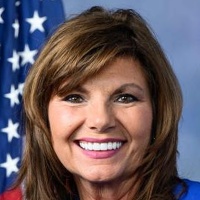
Diana Harshbarger
Representative
TN
Diana Harshbarger
Representative
TN
The ADAS Functionality and Integrity Act mandates that vehicle manufacturers provide owners and independent repair shops with necessary tools, documentation, and software to service advanced driver assistance systems (ADAS). It directs the Secretary of Transportation to establish standardized testing protocols to validate ADAS performance after any repair or modification. Furthermore, the bill requires the development of guidelines to ensure ADAS functionality is maintained following vehicle customizations, such as changes to ride height or tires.
This act nullifies a recent Executive Order regarding federal labor relations and ensures existing collective bargaining agreements remain in effect.
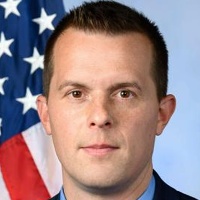
Jared Golden
Representative
ME
Jared Golden
Representative
ME
The Protect America's Workforce Act nullifies a specific Executive Order issued in March 2025 concerning exclusions from federal labor-management relations programs. This legislation ensures that any existing collective bargaining agreements between federal agencies and employee unions remain fully in effect until their stated expiration dates. The Act also prohibits the use of federal funds to implement the overturned Executive Order.
This act establishes the President's Council on Sports, Fitness, and Nutrition to advise on reestablishing the Presidential Fitness Test and promoting youth physical fitness.
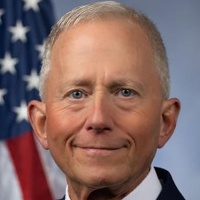
Jefferson Van Drew
Representative
NJ
Jefferson Van Drew
Representative
NJ
The Presidential Fitness Test Act of 2025 reestablishes the President's Council on Sports, Fitness, and Nutrition to advise the President on national fitness goals. This Council will focus on reviving the Presidential Fitness Test as the primary tool for earning an award and developing strategies to promote physical education and sports participation. Its duties include setting innovative fitness goals for youth and addressing the national security threat posed by sedentary lifestyles.
This bill extends enhanced premium tax credits for 2026, establishes strict anti-fraud measures for health insurance agents and brokers, imposes new accountability and transparency requirements on Pharmacy Benefit Managers (PBMs) in Medicare, and extends the 2026 open enrollment period.
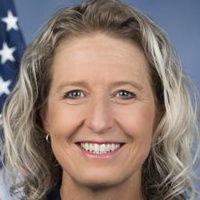
Jennifer Kiggans
Representative
VA
Jennifer Kiggans
Representative
VA
The CommonGround for Affordable Health Care Act extends enhanced premium tax credits for Marketplace health insurance through 2026, while also establishing strict new penalties and verification processes to combat fraud by agents and brokers in health insurance exchanges. Furthermore, the bill imposes significant new transparency and accountability requirements on Pharmacy Benefit Managers (PBMs) contracting with Medicare Part D plans. Finally, it extends the 2026 open enrollment period and creates a fast-track legislative process for future premium tax credit reform bills.
This bill exempts qualifying less-than-lethal projectile devices and their ammunition from federal excise taxes and the regulations of the National Firearms Act.
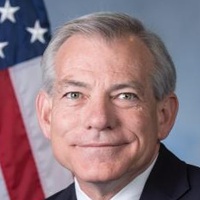
David Schweikert
Representative
AZ
David Schweikert
Representative
AZ
This bill exempts specific, carefully defined less-than-lethal projectile devices and their ammunition from the federal excise tax on firearms and ammunition. It also removes these qualifying devices from regulation under the National Firearms Act. The legislation establishes clear criteria, including velocity limits and design restrictions, to ensure the exemption applies only to tools intended for de-escalation rather than lethal force. Manufacturers can request official classification for their products to confirm eligibility for these tax and regulatory benefits.
This bill officially renames the U.S. Postal Service facility at 521 Thorn Street in Sewickley, Pennsylvania, as the Mary Elizabeth Bettie Cole Post Office Building.
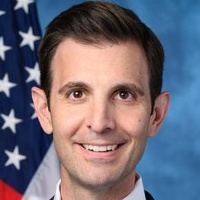
Chris Deluzio
Representative
PA
Chris Deluzio
Representative
PA
This bill officially designates the United States Postal Service facility located at 521 Thorn Street in Sewickley, Pennsylvania, as the "Mary Elizabeth Bettie Cole Post Office Building." This change ensures all future federal references use the newly established name for the building.
This bill extends and enhances Affordable Care Act premium tax credits, implements anti-fraud measures for insurance enrollment, increases PBM accountability in Medicare Part D, mandates full rebate pass-through for ERISA plans, and expands Health Savings Account eligibility for certain Exchange enrollees.
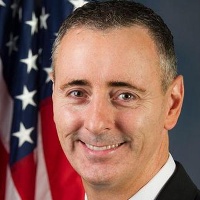
Brian Fitzpatrick
Representative
PA
Brian Fitzpatrick
Representative
PA
The Bipartisan Health Insurance Affordability Act aims to lower healthcare costs by extending and enhancing premium tax credits for Marketplace insurance through 2027. It also institutes strict new anti-fraud measures and verification processes for agents and brokers enrolling consumers in Exchange plans. Furthermore, the bill imposes significant transparency and accountability requirements on Pharmacy Benefit Managers (PBMs) in Medicare Part D and mandates a full pass-through of rebates in certain private health plans. Finally, it expands access to Health Savings Accounts (HSAs) for certain Exchange enrollees.
The Bridges not Bumpers Act of 2025 establishes working groups, funding, and educational campaigns to improve data sharing and prevent commercial truck bridge strikes.
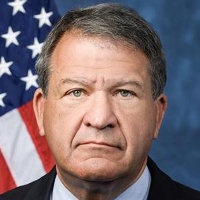
George Latimer
Representative
NY
George Latimer
Representative
NY
The Bridges not Bumpers Act of 2025 aims to reduce commercial truck bridge strikes by establishing a DOT working group to improve data sharing on bridge heights and truck routes, especially for GPS systems. The bill also mandates a national education campaign, creates a central clearinghouse for strike data, and establishes a grant program for research on infrastructure improvements. Furthermore, it addresses liability protections for GPS providers and sets new requirements for rental vehicle companies regarding height disclosure.
This bill establishes parental rights to review materials and receive disclosures regarding foreign government funding and influence in K-12 schools as a condition for receiving federal education funds.
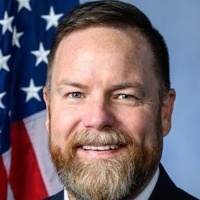
Aaron Bean
Representative
FL
Aaron Bean
Representative
FL
The Transparency in Reporting of Adversarial Contributions to Education (TRACE) Act requires local school districts to grant parents specific rights regarding foreign influence in their schools. Upon written request, parents can review curriculum materials and receive disclosures about funding, agreements, and staff compensation linked to foreign governments or entities of concern. These requirements are a condition for receiving federal education funds, ensuring greater transparency for parents.
This resolution commemorates Jimmy Lai's birthday as "Jimmy Lai Day" while condemning the suppression of democracy in Hong Kong and calling for the release of all political prisoners.
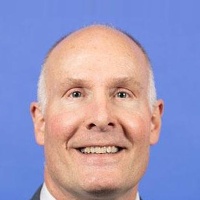
John Moolenaar
Representative
MI
John Moolenaar
Representative
MI
This resolution designates December 8, 2025, as "Jimmy Lai Day" to honor his advocacy for press freedom, religious freedom, and democracy in Hong Kong. It condemns the actions of the People's Republic of China and Hong Kong authorities for suppressing fundamental freedoms and calls for the immediate release of Jimmy Lai and all unjustly imprisoned pro-democracy advocates.
This bill amends federal law to allow Byrne JAG funds to establish and operate elder justice task forces dedicated to combating scams targeting seniors, requiring detailed reporting on their activities.
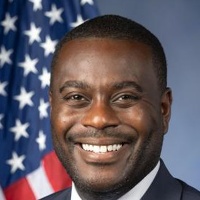
Gabe Amo
Representative
RI
Gabe Amo
Representative
RI
The STOP Scams Against Seniors Act amends existing law to allow federal Byrne JAG grant funds to be used by states and local governments to establish and operate elder justice task forces. These task forces will focus on combating financial exploitation, scams, and fraud targeting individuals aged 60 and older. The legislation also mandates detailed reporting on the task forces' activities, case outcomes, and victim support provided.
This bill expresses support for designating December 4, 2025, as National Scam Prevention Day to promote a coordinated effort against scams through government action, private partnerships, and public education.
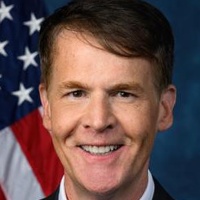
Jefferson Shreve
Representative
IN
Jefferson Shreve
Representative
IN
This resolution expresses support for designating December 4, 2025, as "National Scam Prevention Day." It calls for a coordinated, whole-of-government approach, in partnership with private industry, to combat scams. The bill emphasizes the need for educational campaigns to help the public identify and report fraudulent activities.
This Act establishes a multi-agency Task Force to develop and implement a comprehensive strategy to dismantle transnational criminal syndicates operating forced-labor scam centers, particularly those targeting Americans with cryptocurrency fraud.
Jefferson Shreve
Representative
IN
Jefferson Shreve
Representative
IN
The Dismantle Foreign Scam Syndicates Act establishes a high-level Task Force, chaired by the Secretary of State, to develop and execute a comprehensive U.S. strategy against transnational criminal organizations running massive online scams, often utilizing victims of human trafficking in Southeast Asia. This strategy must focus on disrupting these operations, sanctioning responsible parties, and providing support for rescued victims. The bill authorizes $30 million over two years to fund these efforts and requires annual reporting to Congress on progress and impact.
This act prohibits state and local governments from enacting regulations that restrict energy service based on the type or source of energy sold in interstate commerce.
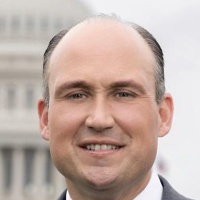
Nicholas Langworthy
Representative
NY
Nicholas Langworthy
Representative
NY
The Energy Choice Act places federal restrictions on state and local governments, preventing them from enacting regulations that prohibit or limit energy service based on its type or source. This means local governments cannot ban or restrict access to energy services sold in interstate commerce. The legislation aims to ensure consistent access to various energy sources across jurisdictions.
This resolution celebrates the 50th anniversary of the Individuals with Disabilities Education Act (IDEA) and recognizes its profound, transformative impact on ensuring a free, appropriate public education for children with disabilities.
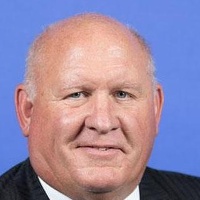
Glenn Thompson
Representative
PA
Glenn Thompson
Representative
PA
This resolution celebrates the 50th anniversary of the Individuals with Disabilities Education Act (IDEA), recognizing its landmark achievement in guaranteeing a free, appropriate public education for every child with a disability. It honors the law's transformative impact since 1975, which ensured access, protected rights, and established critical early intervention services. The resolution reaffirms the commitment to fully implementing IDEA so all students with disabilities have the opportunity to thrive.
The Mikaela Naylon Give Kids a Chance Act primarily focuses on enhancing pediatric drug research, ensuring completion of pediatric study requirements, extending incentives for rare pediatric disease treatments, and making targeted updates to FDA and organ transplant network operations.
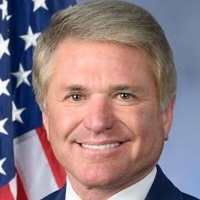
Michael McCaul
Representative
TX
Michael McCaul
Representative
TX
The Mikaela Naylon Give Kids a Chance Act focuses primarily on improving pediatric drug development and ensuring patient access to necessary treatments. This legislation mandates new research requirements for molecularly targeted pediatric cancer drugs, strengthens FDA enforcement of pediatric study completion, and extends incentives for developing drugs for rare pediatric diseases. Additionally, the bill updates organ transplant network functions and establishes an Abraham Accords Office within the FDA to enhance international regulatory cooperation.
This bill mandates a comprehensive threat assessment and strategic plan from the Secretary of Homeland Security regarding the criminal organization Tren de Aragua's impact on U.S. border security.
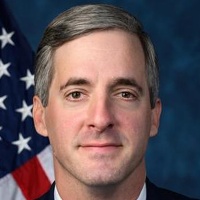
Brad Knott
Representative
NC
Brad Knott
Representative
NC
This Act requires the Secretary of Homeland Security to conduct a comprehensive border threat assessment on the criminal organization Tren de Aragua. Following this assessment, the Secretary must submit a strategic plan detailing how to counter the identified threats along the nation's borders. The legislation aims to enhance security by focusing federal efforts against this specific transnational criminal organization.