Legislative Activity
Track Michael's sponsored bills, co-sponsored legislation, and voting record
This bill mandates that unspent federal agency funds be split, with most going to debt reduction, some rolled over for one year, and a small portion used for employee retention bonuses, while also limiting future budget requests.
Rich McCormick
Representative
GA
Rich McCormick
Representative
GA
The Incentivize Savings Act mandates how federal agencies must handle unspent appropriations by dedicating the majority to debt reduction and allowing a portion for employee retention bonuses. This legislation also restricts future budget requests to only account for inflation unless the agency fully spends its prior allocation. Ultimately, the bill aims to encourage fiscal responsibility by linking unspent funds to debt reduction and limiting budget growth.
This act mandates the EPA to study and report on the feasibility and best practices for expanding reuse and refill systems across various sectors to promote sustainable economies.
Joe Neguse
Representative
CO
Joe Neguse
Representative
CO
The Research for Environmental Uses and Sustainable Economies Act of 2026 (REUSE Act of 2026) directs the Environmental Protection Agency (EPA) to study and report on the feasibility and best practices for establishing reuse and refill systems for various products. This report will analyze the economic impacts, job creation potential, and necessary support for expanding these sustainable systems across different sectors. The goal is to identify effective methods for implementing convenient and safe reuse infrastructure nationwide.
The Internet Reach and Access Now Act establishes a program to counter Iranian internet censorship by funding technologies like VPNs and eSIMs, safeguarding satellite access, and training civil society groups to ensure the free flow of information.
Eric Swalwell
Representative
CA
Eric Swalwell
Representative
CA
The Internet Reach and Access Now (IRAN) Act establishes a program to counter Iranian government censorship by providing technologies and support to help citizens access the open internet. It directs the Secretary of State to coordinate efforts, update strategies to ensure sanctions don't block access tools, and safeguard satellite coverage over Iran. The bill authorizes significant funding to support these initiatives, including cybersecurity training for Iranian civil society.
This bill establishes a mandatory administrative process that must be completed before a private lawsuit can be filed against a small business over alleged ADA non-compliance of its consumer-facing website or mobile application.
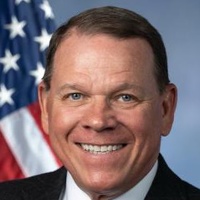
Sam Graves
Representative
MO
Sam Graves
Representative
MO
This bill establishes new administrative requirements that individuals must follow before filing a private lawsuit over alleged ADA violations on a business's public-facing website or mobile app. It mandates that complainants first notify the business owner and allow 180 days for compliance before escalating the issue to the Department of Justice. Lawsuits can only proceed after the Attorney General investigates or after a set period of administrative review has concluded.
The Whale CHARTS Act of 2026 expands federal efforts to map, monitor, and mitigate risks to migratory whales and other large cetaceans through new data collection, technology grants, and near real-time tracking programs.

Doris Matsui
Representative
CA
Doris Matsui
Representative
CA
The Whale CHARTS Act of 2026 expands federal efforts to protect migratory whales and other large cetaceans. This legislation mandates the creation of high-accuracy distribution maps for whale habitats and funds research into understudied species. It also establishes a competitive grant program to develop and deploy technologies that reduce harmful interactions between whales and ocean users, such as vessel strikes.
This bill establishes new processes and a compensation program to accelerate federal permitting for energy and mineral projects while improving geothermal leasing and limiting federal oversight on certain oil and gas activities on non-federal land.
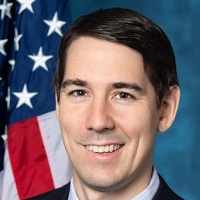
Josh Harder
Representative
CA
Josh Harder
Representative
CA
The **Fighting for Reliable Energy and Ending Doubt for Open Markets Act (FREEDOM Act)** aims to accelerate federal permitting for energy and mineral projects by establishing strict timelines, creating a compensation program for project delays, and streamlining review processes. It also includes specific provisions to improve geothermal leasing and reduce federal permitting requirements for certain oil and gas activities on non-federal land. The overall goal is to reduce regulatory uncertainty that deters investment in critical U.S. energy infrastructure.
The MARINA Act establishes new standardized rules for how the Army Corps of Engineers calculates rent and administrative fees for marina concessionaires and sets limits on those charges.

James Comer
Representative
KY
James Comer
Representative
KY
The Maintaining Access to Recreational Industry and Necessary Adjustments Act (MARINA Act) reforms how the Army Corps of Engineers calculates rent and administrative fees for marina concessionaires. It standardizes administrative fees across all districts and limits the calculation of marina rent by excluding certain high-value sales receipts. This legislation aims to provide stability and necessary adjustments for recreational industry access to Corps facilities.
This resolution recognizes and celebrates the significant contributions of Catholic schools across the United States during the 52nd annual National Catholic Schools Week in January 2026.
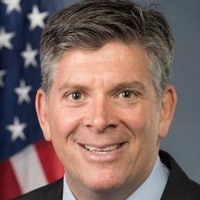
Darin LaHood
Representative
IL
Darin LaHood
Representative
IL
This resolution officially recognizes and celebrates the 52nd annual National Catholic Schools Week, taking place from January 25 to January 31, 2026. It honors the significant contributions of Catholic schools nationwide, highlighting their commitment to academic excellence, diverse student populations, and values-based education. The bill supports the goals of this week, which is cosponsored by the National Catholic Educational Association and the U.S. Conference of Catholic Bishops.
This resolution expresses support for designating the week of January 25 through January 31, 2026, as "National School Choice Week" to highlight the importance of parental choice in K-12 education.

John Moolenaar
Representative
MI
John Moolenaar
Representative
MI
This resolution expresses support for designating the week of January 25 through January 31, 2026, as "National School Choice Week." It emphasizes the importance of parental choice in selecting diverse K-12 educational options that best suit their children's needs. The bill also recognizes the contributions of students, parents, teachers, and school leaders across all educational environments.
This act establishes new federal safety standards requiring motorcoaches to provide drivers with a minimally obstructed forward-facing view, allowing for compliance through camera technology.

Robert Menendez
Representative
NJ
Robert Menendez
Representative
NJ
The Safe Intersections for Buses and Pedestrians Act mandates the creation of new federal safety standards to ensure bus drivers have a minimally obstructed forward-facing view. This requires the Secretary of Transportation to establish these standards within one year of enactment. Motorcoaches may meet this requirement through direct visibility or approved camera technology that enhances the driver's field of vision.
This act excludes up to $100,000 of annual income for qualifying, long-serving law enforcement officers from federal income tax.
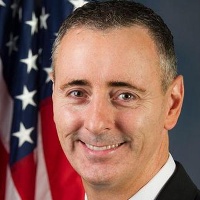
Brian Fitzpatrick
Representative
PA
Brian Fitzpatrick
Representative
PA
The Fuel the Force Act of 2026 creates a significant federal tax benefit for experienced law enforcement officers. This bill excludes up to $100,000 of annual ordinary income from federal income tax for officers who have served full-time for at least five years. This aims to provide financial relief and recognition for dedicated service in law enforcement roles.
This act establishes the Domestic Cotton Consumption Credit to incentivize businesses to use U.S.-grown cotton through a verified supply chain with varying credit percentages based on processing location.
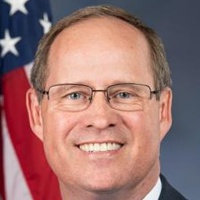
Gregory Murphy
Representative
NC
Gregory Murphy
Representative
NC
The Buying American Cotton Act of 2026 establishes the Domestic Cotton Consumption Credit to incentivize the use of U.S.-grown cotton in products sold domestically. This new business tax credit is calculated based on the volume of U.S. cotton used, the market price, and where the product was processed. The bill mandates digital tracing to verify the supply chain and offers significantly increased credit multipliers for products containing U.S.-made cotton yarn or fabric.
This act establishes the Blue Campaign Certification Program to recognize employers in high-risk industries that provide human trafficking awareness training to their employees.
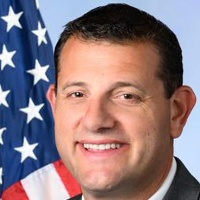
David Valadao
Representative
CA
David Valadao
Representative
CA
The Human Trafficking Awareness Training Recognition Act of 2026 establishes the Blue Campaign Certification Program within the Department of Homeland Security. This program recognizes employers in high-risk industries that provide their employees with training to recognize and respond to human trafficking. Eligible employers will receive a public certificate of completion and be recognized in the Federal Register. The Act also mandates increased coordination for the DHS Blue Campaign with private sector, academic, and industry experts.
This bill directs the Secretary of Commerce to collect and publish standardized, up-to-date geospatial data on fishing and recreational vessel restrictions in federally managed ocean areas.
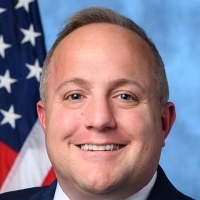
Russell Fry
Representative
SC
Russell Fry
Representative
SC
The Modernizing Access to Our Public Oceans Act directs the Secretary of Commerce to collect and publish comprehensive, up-to-date information on fishing restrictions in federally managed fisheries on a public website. This legislation also mandates the standardization of geospatial data related to ocean activities and marine protected areas. The goal is to improve accessibility and interoperability of critical ocean use information for the public, while explicitly preserving existing regulatory authority and Tribal rights.
This Act mandates an annual report detailing China's advanced artificial intelligence capabilities, supply chains, and the effectiveness of U.S. export controls.
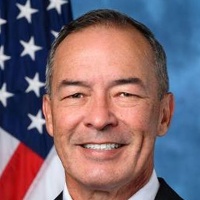
James (Jim) Moylan
Representative
GU
James (Jim) Moylan
Representative
GU
The China AI Power Report Act mandates the Secretary of Commerce to deliver an annual, detailed report to Congress for three years assessing China's advanced artificial intelligence capabilities and supply chains. This legislation emphasizes the need for dynamic U.S. export controls to counter China's evolving technological advancements and protect national security. The comprehensive report must cover everything from advanced AI chips and fabrication facilities to AI models, funding, and the effectiveness of current U.S. restrictions.
This resolution commemorates the Dalai Lama's 90th birthday as a "Day of Compassion" while reaffirming U.S. support for Tibetan human rights, religious freedom, and the Tibetan people's right to choose their own religious leaders without interference from China.
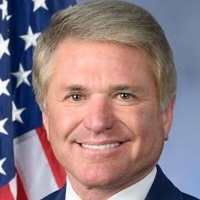
Michael McCaul
Representative
TX
Michael McCaul
Representative
TX
This resolution commemorates the 90th birthday of the Dalai Lama by designating July 6, 2025, as a "Day of Compassion." It strongly reaffirms U.S. support for the human rights, religious freedom, and cultural preservation of the Tibetan people. Furthermore, the resolution asserts that the selection of the next Dalai Lama is solely the right of the Tibetan Buddhist community, rejecting any interference by the People's Republic of China.
This bill requires the Secretary of State to provide Congress with 15 days' advance notice before obligating more than $37,500 for specific art, design, or cultural heritage purchases.

Tim Burchett
Representative
TN
Tim Burchett
Representative
TN
This bill requires the Secretary of State to provide Congress with at least 15 days' advance notice before obligating more than $37,500 for art, design, or cultural heritage projects at U.S. diplomatic facilities. The notification must detail the purpose, cost, and location of the purchase to ensure greater oversight of these expenditures.
The AI OVERWATCH Act establishes a strict licensing requirement for exporting advanced integrated circuits to designated countries of concern while creating exemptions for trusted U.S. entities and mandating a comprehensive national security review for all approved transfers.
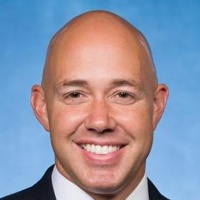
Brian Mast
Representative
FL
Brian Mast
Representative
FL
The AI OVERWATCH Act establishes strict new licensing requirements for exporting advanced integrated circuits to designated countries of concern, including China and Russia. This legislation mandates detailed national security certifications to Congress before any license can be approved for these high-performance technologies. Furthermore, the bill creates an exemption process for trusted U.S. companies while terminating existing licenses for these sensitive exports.
The Conflict Prevention Act establishes a dedicated center within the Department of State to enhance U.S. capabilities in analyzing, preventing, and mitigating global violent conflict.

Sara Jacobs
Representative
CA
Sara Jacobs
Representative
CA
The Conflict Prevention Act establishes a dedicated Center for Conflict Analysis, Planning, and Prevention within the Department of State to better anticipate and mitigate global violent conflict. By providing expert analysis, strategic planning, and specialized training, the Center aims to strengthen U.S. diplomatic efforts in peace processes and complex political negotiations. This initiative ensures that the Department of State is better equipped to protect national security interests by proactively addressing emerging conflict hotspots.
This bill authorizes the Caribbean Basin Security Initiative to enhance security, promote the rule of law, combat transnational crime, and build disaster resilience in beneficiary Caribbean nations through 2029.
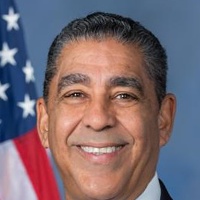
Adriano Espaillat
Representative
NY
Adriano Espaillat
Representative
NY
This bill establishes the Caribbean Basin Security Initiative to enhance citizen safety and promote the rule of law in designated Caribbean countries through 2029. The Initiative focuses on combating transnational crime, strengthening justice systems, and implementing crime prevention programs. It also mandates the development of strategies to improve natural disaster response and resilience across the region.