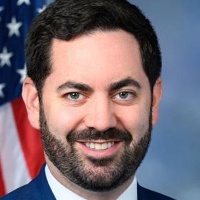
Legislative Activity
Track Michael's sponsored bills, co-sponsored legislation, and voting record
This Act mandates an annual report detailing China's advanced artificial intelligence capabilities, supply chains, and the effectiveness of U.S. export controls.
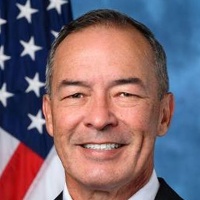
James (Jim) Moylan
Representative
GU
James (Jim) Moylan
Representative
GU
The China AI Power Report Act mandates the Secretary of Commerce to deliver an annual, detailed report to Congress for three years assessing China's advanced artificial intelligence capabilities and supply chains. This legislation emphasizes the need for dynamic U.S. export controls to counter China's evolving technological advancements and protect national security. The comprehensive report must cover everything from advanced AI chips and fabrication facilities to AI models, funding, and the effectiveness of current U.S. restrictions.
This bill requires the Secretary of State to provide Congress with 15 days' advance notice before obligating more than $37,500 for specific art, design, or cultural heritage purchases.
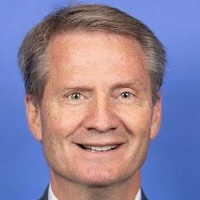
Tim Burchett
Representative
TN
Tim Burchett
Representative
TN
This bill requires the Secretary of State to provide Congress with at least 15 days' advance notice before obligating more than $37,500 for art, design, or cultural heritage projects at U.S. diplomatic facilities. The notification must detail the purpose, cost, and location of the purchase to ensure greater oversight of these expenditures.
The Data Driven Diplomacy Act mandates the use of public opinion research to inform and optimize U.S. international media outreach and strategic communications.
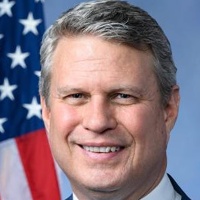
Bill Huizenga
Representative
MI
Bill Huizenga
Representative
MI
The Data Driven Diplomacy Act mandates that the Bureau of Global Public Affairs utilize public opinion research to better understand international cultural contexts and audience attitudes. By leveraging this data, the initiative aims to strategically inform and optimize the reach of U.S.-funded media outlets worldwide.
The AI OVERWATCH Act establishes a strict licensing requirement for exporting advanced integrated circuits to designated countries of concern while creating exemptions for trusted U.S. entities and mandating a comprehensive national security review for all approved transfers.
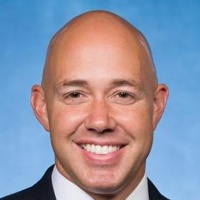
Brian Mast
Representative
FL
Brian Mast
Representative
FL
The AI OVERWATCH Act establishes strict new licensing requirements for exporting advanced integrated circuits to designated countries of concern, including China and Russia. This legislation mandates detailed national security certifications to Congress before any license can be approved for these high-performance technologies. Furthermore, the bill creates an exemption process for trusted U.S. companies while terminating existing licenses for these sensitive exports.
This bill establishes a Veterans Scam and Fraud Evasion Officer within the VA to coordinate fraud prevention, reporting, and veteran resource guidance, while also extending certain pension payment limits.
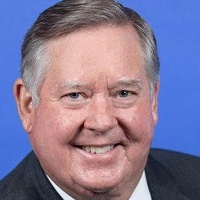
Ken Calvert
Representative
CA
Ken Calvert
Representative
CA
The Veterans Scam And Fraud Evasion Act of 2025, or VSAFE Act, establishes a dedicated Veterans Scam and Fraud Evasion Officer within the Department of Veterans Affairs. This officer will centralize the VA's efforts to prevent, report, and respond to fraud and scams targeting veterans. The role includes developing guidance, promoting reporting resources, and coordinating with other federal agencies to better protect veterans and their families.
The Veteran Housing Promise Act eliminates funding caps for key homeless veteran assistance programs and makes several related support initiatives permanent.
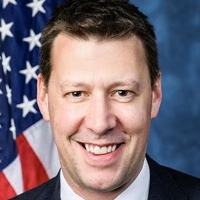
Josh Riley
Representative
NY
Josh Riley
Representative
NY
The Veteran Housing Promise Act aims to strengthen support for homeless veterans by eliminating fixed funding caps for key assistance programs, authorizing "such sums as may be necessary" for future appropriations. Additionally, the bill makes several vital programs permanent by removing their existing expiration dates. This legislation ensures sustained and reliable resources for comprehensive services, reintegration, and housing assistance for veterans experiencing homelessness.
This act excludes service-connected disability compensation from income calculations for certain housing assistance programs and mandates a report on HUD's treatment of this compensation.
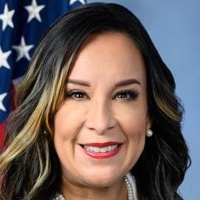
Mónica De La Cruz
Representative
TX
Mónica De La Cruz
Representative
TX
The Disabled Veterans Housing Support Act ensures that service-connected disability compensation received by veterans is excluded when calculating income for eligibility in certain federal housing programs. This change aims to increase access to affordable housing for disabled veterans. The bill also mandates a report to Congress reviewing how HUD currently treats this compensation across its programs.
This act increases the sole source contract dollar threshold from $\$7$ million to $\$10$ million for specific small business contracting programs.
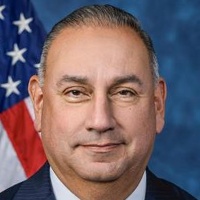
Gilbert Cisneros
Representative
CA
Gilbert Cisneros
Representative
CA
The Streamlining Small Business Contracts Act of 2026 increases the dollar threshold for sole source contracts available to certain small business concerns. This legislation raises the limit from \$7 million to \$10 million for contracts awarded under the 8(a), HUBZone, Service-Disabled Veteran-Owned, and Women-Owned Small Business programs. The goal is to simplify and expand opportunities for these specific small businesses.
This bill automatically appropriates funds to ensure federal employees and essential contractors receive their regular pay during a government shutdown.
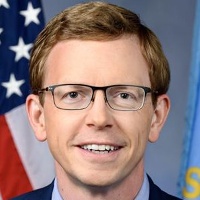
Dusty Johnson
Representative
SD
Dusty Johnson
Representative
SD
The Shutdown Fairness Act automatically appropriates necessary funds to ensure federal employees and essential contractors receive their regular pay during a government shutdown. This legislation mandates timely payment for covered personnel, regardless of whether they were deemed "excepted" or furloughed. The funds are charged against the agency's subsequent regular appropriations once they are enacted.
The PORCUPINE Act amends the Arms Export Control Act to include Taiwan in existing certification and reporting requirements and mandates a feasibility study for expediting military equipment transfers to Taiwan from key allies.
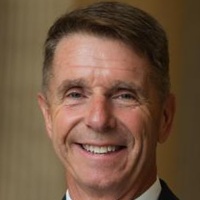
Robert Wittman
Representative
VA
Robert Wittman
Representative
VA
The PORCUPINE Act amends the Arms Export Control Act to formally include Taiwan in existing certification and reporting requirements. It also mandates a feasibility study for expediting the licensing process for allied nations transferring U.S.-origin military equipment to Taiwan. The legislation is intended to enhance security cooperation while affirming that it does not alter existing U.S. policy as defined by the Taiwan Relations Act.
This Act mandates that secondary school student identification cards and district websites prominently display essential mental health and suicide prevention contact information, such as the 988 Lifeline.
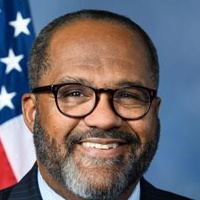
Troy Carter
Representative
LA
Troy Carter
Representative
LA
The Raising Awareness for Youth Suicide Prevention Act (RAYS Act) mandates that local school districts provide critical mental health and suicide prevention contact information on secondary student identification cards. This includes the 988 Suicide and Crisis Lifeline and the Crisis Text Line. For districts not issuing physical IDs, this information must be prominently displayed on their websites and regularly used digital platforms.
This bill establishes a Department of Justice Task Force to combat anti-Sikh hate and discrimination through definition, education, and reporting.
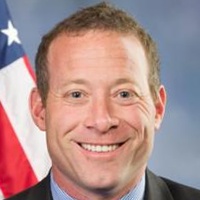
Josh Gottheimer
Representative
NJ
Josh Gottheimer
Representative
NJ
The Sikh American Anti-Discrimination Act of 2026 establishes a Department of Justice Task Force dedicated to combating anti-Sikh hate and discrimination. This Task Force is charged with formally defining anti-Sikh hate, developing educational programs for law enforcement and schools, and collaborating with the Sikh community. The bill mandates annual reporting to Congress on hate crimes, legal actions, and ongoing threats against Sikhs.
This bill mandates that state Medicaid programs cover whole genome and whole exome sequencing for children with specific medical needs starting in 2027.
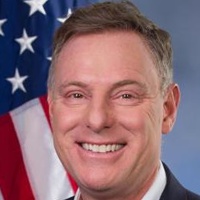
Scott Peters
Representative
CA
Scott Peters
Representative
CA
The Genomic Answers for Children’s Health Act of 2026 mandates that state Medicaid programs cover whole genome and whole exome sequencing for children with specific medical conditions, effective January 1, 2027. This sequencing is to be covered as a first-tier diagnostic test for genetic disorders, rare diseases, or conditions of unknown origin. The bill also directs the HHS Secretary to promote awareness and address implementation challenges for this new mandatory benefit.
This act makes eligible nonprofit child care providers eligible for federal small business loans through the SBA's 7(a) and 504 programs.
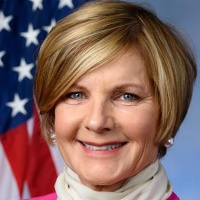
Susie Lee
Representative
NV
Susie Lee
Representative
NV
The Small Business Child Care Investment Act expands access to federal small business loans for qualified nonprofit child care providers. This legislation amends the Small Business Act to make these providers eligible for SBA 7(a) and 504 loan programs. The goal is to provide crucial capital investment opportunities for eligible nonprofit organizations offering essential child care services.
This bill establishes a federal sepsis program within the CDC to enhance education, data collection, and best practices for sepsis prevention and treatment nationwide.
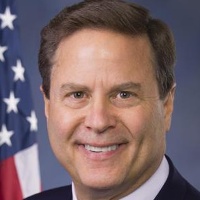
Donald Norcross
Representative
NJ
Donald Norcross
Representative
NJ
The Securing Enhanced Programs, Systems, and Initiatives for Sepsis Act (SEPSIS Act) establishes a new federal sepsis program within the CDC to combat the high rates of sepsis-related illness and death. This program will focus on leading education campaigns, improving data collection, and developing outcome measures for sepsis. The bill also authorizes funding to support these critical efforts and may establish a voluntary recognition program for hospitals with effective sepsis protocols.
This bill extends and improves federal financing programs (TIFIA and RRIF) to accelerate housing production and economic development near transit stations by streamlining requirements for transit-oriented development projects.
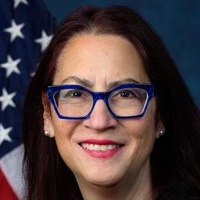
Laura Friedman
Representative
CA
Laura Friedman
Representative
CA
The Build Housing, Unlock Benefits and Services Act (Build HUBS Act) aims to address the national housing crisis by improving federal financing programs for transit-oriented development. It extends and reforms the TIFIA and RRIF programs to streamline lending, introduce alternative creditworthiness assessments, and offer favorable interest rates for attainable housing projects near transit. The bill also establishes delegated origination programs to speed up the approval process while preserving all existing state and local zoning laws.
This bill establishes a special base pay system that increases the salaries of Bureau of Prisons correctional officers and certain hourly employees by 35 percent for a five-year period, subject to review.

Dan Goldman
Representative
NY
Dan Goldman
Representative
NY
The Federal Correctional Officer Paycheck Protection Act of 2026 establishes a special pay system to increase the base pay for Bureau of Prisons (BOP) correctional officers by 35 percent. This legislation also provides a similar 35 percent wage increase for certain hourly BOP employees involved in inmate custody. The new pay authority is set to expire after five years, unless the Department of Justice Inspector General reports measurable progress in reducing the use of non-custodial staff for officer duties and excessive overtime.
This act establishes a refundable tax credit for individuals to offset high home energy costs exceeding 3% of their income, up to a maximum of \$1,500 annually.
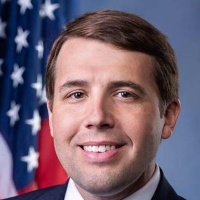
Chris Pappas
Representative
NH
Chris Pappas
Representative
NH
This bill establishes the **Energy Burden Tax Credit Act** to provide financial relief to individuals facing high home energy costs. The credit covers 75% of a taxpayer's annual fuel or electricity expenses that exceed 3% of their modified adjusted gross income, up to a maximum of \$1,500. This temporary credit is available for tax years beginning after 2024 and before 2028, and is limited to taxpayers with modified adjusted gross incomes of \$75,000 or less.
This bill modifies deposits into the Crime Victims Fund by excluding certain False Claims Act recoveries and mandates an Inspector General audit of the Fund's sustainability.
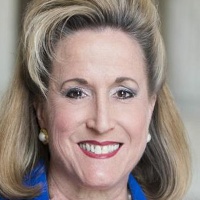
Ann Wagner
Representative
MO
Ann Wagner
Representative
MO
This bill amends the Victims of Crime Act of 1984 to temporarily exclude certain False Claims Act recoveries from being deposited into the Crime Victims Fund through fiscal year 2029. It also mandates a comprehensive audit by the Department of Justice Inspector General on the Fund's sustainability and the impact of recent legislative changes. The resulting report will provide recommendations for improving the Fund's effectiveness and oversight.
This act authorizes eligible public libraries to become passport acceptance facilities and retain the associated execution fees.
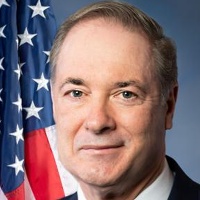
John Joyce
Representative
PA
John Joyce
Representative
PA
The Community Passport Services Access Act authorizes eligible public libraries to serve as official passport acceptance facilities. This allows these libraries to collect and retain the associated execution fee for processing passport applications. The bill ensures that libraries already performing this function can continue to do so.