This bill mandates a Title VI awareness campaign, requires colleges to post civil rights information, and establishes monthly congressional briefings and annual audits regarding discrimination complaints on campus.
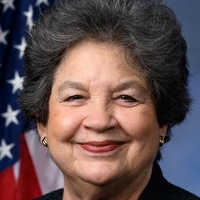
Lois Frankel
Representative
FL-22
The Protecting Students on Campus Act of 2025 aims to increase awareness of civil rights protections for students under Title VI of the Civil Rights Act. The bill mandates a public awareness campaign and requires colleges receiving federal aid to prominently display links and materials related to filing discrimination complaints. Furthermore, it establishes regular congressional briefings and requires annual reporting and targeted audits on how institutions handle complaints of discrimination based on race, color, or national origin.
New Act Forces Colleges to Post Civil Rights Info, Requires Monthly Federal Audits on Discrimination Complaints
The new Protecting Students on Campus Act of 2025 is looking to crank up the visibility and enforcement of Title VI of the Civil Rights Act of 1964, particularly on college campuses. Title VI prohibits discrimination based on race, color, or national origin in programs that receive federal funding—which means virtually every university. This bill mandates a new public awareness campaign and dramatically increases reporting requirements for both colleges and the Department of Education’s Office for Civil Rights (OCR).
Making Civil Rights Information Impossible to Miss
If you’re a student, this bill is designed to make sure you know your rights and where to report violations. First, the Department of Education must launch a national public awareness campaign about Title VI rights, complete with “appealing visual and auditory elements.” Think of it as a mandatory, annual public service announcement about civil rights that colleges can’t ignore.
Under this act, any college receiving federal student aid (which is most of them) now has two new must-dos. They have to post the campaign materials in “high-traffic public places”—like the student union or the main quad bulletin board—and on “high-traffic web pages,” such as the student services portal. More importantly, colleges must now prominently display a direct link on their homepage to the OCR’s webpage where students can file a discrimination complaint. No more digging through three layers of menus to find the right form; the link has to be front and center. This is a huge win for accessibility, ensuring that filing a federal complaint is as easy as checking the university’s sports scores.
Putting the Office for Civil Rights on a Monthly Clock
This bill doesn’t just focus on the colleges; it holds the federal enforcers accountable, too. For one year after the law passes, the Assistant Secretary for Civil Rights at the Department of Education must provide Congress with monthly briefings and detailed written reports. These reports must break down the number of new discrimination complaints received, the type of discrimination alleged, and, critically, a description of how the OCR plans to address them and open investigations.
Perhaps the most telling requirement is the mandate to report on how long complaints have been sitting open. This is the policy equivalent of shining a spotlight on the OCR’s inbox, forcing transparency on the speed and efficiency of federal investigations. For students waiting for justice, this mandated congressional oversight could significantly reduce bureaucratic delays.
Auditing the Campuses with the Most Complaints
Finally, the bill introduces major new reporting and auditing requirements for colleges themselves. Every college receiving federal funds must submit an annual report to the Department of Education’s Inspector General (IG). This report must detail the number and substance of all Title VI-related discrimination complaints the institution received internally, along with a description of the actions it took in response. This forces colleges to formally track and acknowledge every internal complaint, creating a paper trail that the federal government can review.
To keep colleges honest, the IG must conduct an annual audit of the top 5 percent of colleges based on the number of complaints per student. If a university is consistently seeing a high volume of discrimination claims, the IG will step in to scrutinize their internal complaint handling process and determine if cases need to be kicked up to the federal OCR. For large universities, this means a significant new administrative burden to track, analyze, and report data, but it also creates a strong incentive to resolve issues internally before they attract federal scrutiny. The IG is also tasked with studying the disparity between complaints filed with colleges versus those filed with the federal government, aiming to understand why students choose one path over the other.