This bill mandates a GAO study on how federal banking regulators use commitments and conditions when approving insured depository institution merger applications.
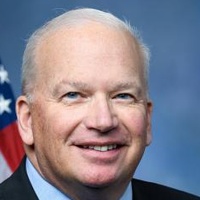
Scott Fitzgerald
Representative
WI-5
This Act mandates a Government Accountability Office (GAO) study on how federal banking regulators review merger applications for insured depository institutions. The study will evaluate the use of commitments and conditions in these reviews to ensure they align with the law and assess their impact on financial stability and competition. The GAO must report its findings to Congress within one year of enactment.
New Federal Study to Probe How Banking Regulators Approve or Block Mergers Within One Year
The Merger Agreement Approvals Clarity and Predictability Act pulls back the curtain on the secretive process of how banks and credit unions get permission to merge. Specifically, it mandates that the Government Accountability Office (GAO) conduct a deep-dive investigation into the 'commitments and conditions' that federal regulators—like the Federal Reserve and the FDIC—tack onto merger approvals. This isn't just a paperwork check; the GAO has exactly one year from the bill's enactment to report back to Congress on whether these regulators are following the law or letting outside influences sway their decisions.
Checking the Math on Mergers
When two banks decide to join forces, it’s rarely a simple 'yes' or 'no' from the government. Regulators often approve a deal only if the banks agree to certain conditions, like keeping specific branches open or maintaining certain lending levels. This bill requires the GAO to evaluate the 'quantifiable metrics' used in these deals. For a local business owner or a family with a mortgage, this matters because it looks at whether these mergers actually help or hurt competition and the availability of financial products in your neighborhood. The study will specifically check if the current review process is actually protecting the 'safety and soundness' of the financial system or just adding unnecessary red tape.
Accountability for the Rule-Makers
One of the more pointed requirements of the study is to determine if regulators have been influenced by issues 'outside the law.' This is a direct look at whether the agencies—including the National Credit Union Administration and the Comptroller of the Currency—are sticking to the script or making up new rules on the fly. By defining exactly which laws and agencies are under the microscope, such as the Bank Holding Company Act and the Federal Credit Union Act, the bill aims to ensure that when your local credit union tries to buy a bank (or vice versa), the rules of the game are predictable and transparent. The goal is to move away from a 'black box' approval process toward one where everyone knows the criteria for success.