Legislative Activity
Track Michael's sponsored bills, co-sponsored legislation, and voting record
This bill expresses support for the National FFA Organization by designating February 21-28, 2026, as National FFA Week and celebrating the 50th anniversary of the Alaska State FFA Association.
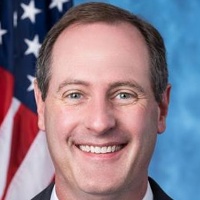
Tracey Mann
Representative
KS
Tracey Mann
Representative
KS
This resolution expresses support for the National FFA Organization and designates February 21–28, 2026, as National FFA Week. It recognizes the FFA's vital role in developing future leaders through agricultural education. The bill also celebrates the 50th anniversary of the chartering of the Alaska State FFA Association.
The AI Workforce Training Act provides businesses with a tax credit for employee artificial intelligence training expenses and establishes a public outreach campaign to promote workforce development.
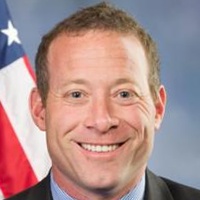
Josh Gottheimer
Representative
NJ
Josh Gottheimer
Representative
NJ
The AI Workforce Training Act incentivizes businesses to upskill their employees by providing a tax credit covering 30% of qualified artificial intelligence training expenses, up to $2,500 per employee. To ensure widespread adoption, the bill also mandates a federal public outreach campaign to promote the credit and requires annual reports to Congress on its impact.
This Act establishes the United States-Israel Defense Technology Cooperation Initiative to accelerate joint research, development, and integration of defense technologies between the two nations.
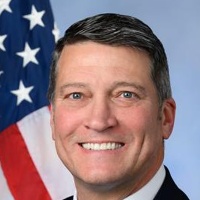
Ronny Jackson
Representative
TX
Ronny Jackson
Representative
TX
This bill establishes the United States-Israel Defense Technology Cooperation Initiative to accelerate joint research, development, and integration of critical defense technologies. The initiative focuses on key areas like AI, missile defense, and counter-drone systems to enhance the security and technological edge of both nations. It mandates regular reporting to Congress on progress and authorizes funding for fiscal years 2027 through 2029.
This act mandates that the FAA immediately apply the same flightcrew duty and rest requirements currently used for passenger operations to all-cargo operations.
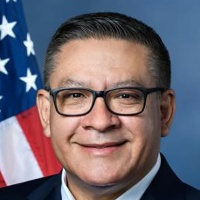
Salud Carbajal
Representative
CA
Salud Carbajal
Representative
CA
The Safe Skies Act of 2026 mandates the Department of Transportation to immediately apply the existing Federal Aviation Administration (FAA) duty and rest requirements for passenger flightcrews to all-cargo operations. This change aims to standardize safety protocols across both sectors. The required modification must be enacted within 30 days of the law's passage.
This Act prohibits online platforms from displaying fraudulent paid advertisements if they accepted payment and failed to take reasonable steps to prevent them, while also establishing new enforcement mechanisms.
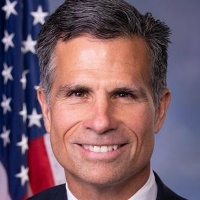
Daniel Meuser
Representative
PA
Daniel Meuser
Representative
PA
The Safeguarding Consumers from Advertising Misconduct Act (SCAM Act) holds online platforms accountable for displaying fraudulent or deceptive paid advertisements. It mandates that platforms implement strict advertiser verification procedures and actively detect and remove scam ads. This legislation establishes a private right of action for injured consumers and clarifies that existing Section 230 immunity does not apply to violations of this Act.
This bill establishes the Office of the Chief Economist within the CFTC to provide economic analysis and advice, granting the office specialized staffing authority.
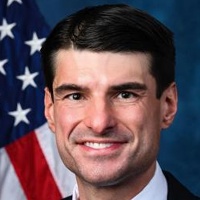
Robert Bresnahan
Representative
PA
Robert Bresnahan
Representative
PA
This bill establishes the Office of the Chief Economist within the Commodity Futures Trading Commission (CFTC) to serve as the agency's primary economic advisor. The Office will be responsible for conducting economic analysis, regulatory cost-benefit assessments, and specialized research. Furthermore, the legislation grants the CFTC authority to hire specialized staff for the Office outside of the standard competitive service hiring process.
This bill establishes a pilot grant program through a new Child Care and Development Innovation Fund to expand child care access for parents working nontraditional hours.
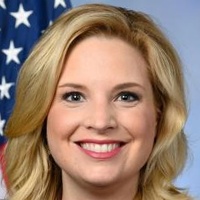
Ashley Hinson
Representative
IA
Ashley Hinson
Representative
IA
The After Hours Child Care Act establishes a new Child Care and Development Innovation Fund to improve access to care for parents working nontraditional hours. This fund supports a competitive pilot grant program managed by the Secretary of Health and Human Services. Grants will help eligible entities expand capacity, contract services, or establish new programs specifically serving families with irregular work schedules. The goal is to help these parents maintain employment and advance their careers.
This act imposes sanctions on foreign entities purchasing Russian oil and petroleum products to decrease Russia's profits, with limited exceptions tied to supporting Ukraine or reducing Russian purchases.
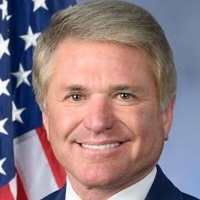
Michael McCaul
Representative
TX
Michael McCaul
Representative
TX
The Decreasing Russian Oil Profits Act of 2026 imposes sanctions on foreign entities purchasing or importing Russian oil and petroleum products. The President has limited authority to grant exceptions to these sanctions, such as for countries that redirect funds or significantly support Ukraine. These measures aim to restrict revenue streams supporting Russia's activities while providing narrow pathways for continued trade under specific conditions.
This Act establishes federal standards for using mass balance accounting to substantiate recycled content claims in product marketing, enforced by the FTC.
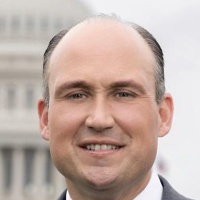
Nicholas Langworthy
Representative
NY
Nicholas Langworthy
Representative
NY
The Recycled Materials Attribution Act of 2026 establishes national standards for making recycled content claims in commerce. This bill recognizes mass balance accounting as an acceptable method for substantiating these claims, provided it adheres to a third-party certification system. The Federal Trade Commission (FTC) is tasked with updating its Green Guides to reflect these standards and will enforce prohibitions against misleading recycled content claims. Furthermore, the Act preempts state and local regulations concerning the enforcement of these federal standards.
This bill mandates the exclusion of People's Republic of China representatives from key international financial organizations if the President reports a threat to Taiwan.
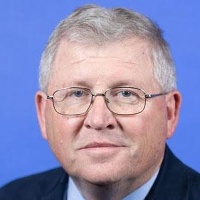
Frank Lucas
Representative
OK
Frank Lucas
Representative
OK
The PROTECT Taiwan Act establishes a U.S. policy to exclude representatives of the People's Republic of China from major international financial organizations if the President reports a threat to Taiwan. This action is triggered under the authority of the Taiwan Relations Act and requires coordination among key financial regulatory bodies. The policy can be waived by the President if deemed in the national interest.
The BRAVE Burma Act modifies sanctions reporting requirements and directs the U.S. to oppose increases to Burma's IMF shareholding while the State Administration Council is in power.
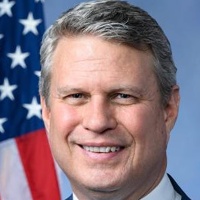
Bill Huizenga
Representative
MI
Bill Huizenga
Representative
MI
The BRAVE Burma Act aims to increase accountability for the military regime in Burma through enhanced sanctions reporting. It requires the President to assess Burmese state-owned enterprises and entities involved in the jet fuel sector for potential sanctions. Furthermore, the Act directs the U.S. to oppose increases to Burma's shareholding in the International Monetary Fund while the State Administration Council is in power.
This bill establishes new prerequisites for the Financial Stability Oversight Council (FSOC) before designating a nonbank financial company for enhanced Federal Reserve supervision.
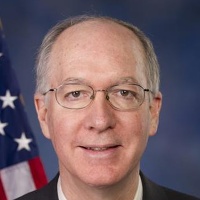
Bill Foster
Representative
IL
Bill Foster
Representative
IL
This bill, the Financial Stability Oversight Council Improvement Act of 2025, establishes new procedural hurdles for the FSOC before it can designate a nonbank financial company for stricter Federal Reserve supervision. The Council must first make an initial determination, in consultation with the company and its regulator, that other actions are insufficient to address the risk. This ensures that designation is a measure of last resort against threats to U.S. financial stability.
This Act allows businesses in federally or state-declared disaster areas to transfer certain unused general business credits from prior years to cover eligible operating expenses incurred after the disaster.
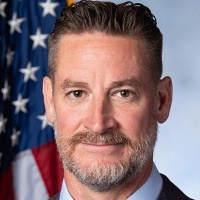
W. Steube
Representative
FL
W. Steube
Representative
FL
The Disaster Zone Energy Affordability and Investment Act allows businesses in federally or state-declared disaster areas to transfer certain unused general business tax credits from prior years. This provision is designed to help affected taxpayers by converting these credits into usable funds based on their eligible operating expenditures within the disaster zone. The credits apply to investments made following disasters declared after December 31, 2023.
This bill establishes a national employer notification service to immediately alert employers when a school bus driver's commercial license status changes due to moving violations or other adverse actions.
Josh Gottheimer
Representative
NJ
Josh Gottheimer
Representative
NJ
The Miranda Vargas School Bus Driver Red Flag Act establishes a national employer notification service to alert employers when a school bus driver's commercial driving status changes due to violations or suspensions. This law mandates that states implement this service to monitor drivers with school bus endorsements. The goal is to enhance student safety by ensuring employers are immediately aware of critical changes in their school transportation employees' driving records.
The PETSAFE Act of 2026 allows federal emergency preparedness grant funds to be used for companion animal support during disasters, with the federal government covering 90% of the costs.
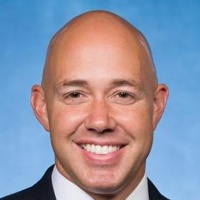
Brian Mast
Representative
FL
Brian Mast
Representative
FL
The PETSAFE Act of 2026 allows states, local, and tribal governments to use federal emergency preparedness grants to support companion animals during disasters. This funding can cover essential supplies, veterinary care, and emergency sheltering equipment. Furthermore, the bill increases the federal cost share for these specific animal preparedness activities to 90 percent.
This act mandates the Secretary of Transportation to establish new federal standards for school bus seat belt requirements, prioritizing lap-shoulder belt systems for all new buses.
Josh Gottheimer
Representative
NJ
Josh Gottheimer
Representative
NJ
The SECURES Act of 2026 mandates the Secretary of Transportation to establish new federal standards for school bus seat belts within 180 days of enactment. This rulemaking must consider the superior safety benefits of lap-shoulder belt systems and innovative detection technologies. The goal is to ensure all new school buses meet enhanced safety requirements for student protection.
This bill establishes reporting requirements and a process for designating successor entities and affiliates of the Wagner Group as terrorist organizations and imposing sanctions.
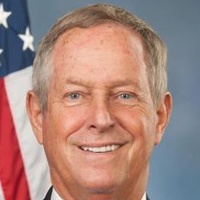
Joe Wilson
Representative
SC
Joe Wilson
Representative
SC
The HARM Act 2.0 addresses the continued threat posed by successor entities to the Wagner Group, which Congress finds are now integrated into the Russian Ministry of Defense. This bill mandates the Secretary of State to report on these successor groups, including the Africa Corps, and individuals who direct them. Ultimately, the legislation establishes a process for the executive branch to designate these entities as terrorist organizations and apply appropriate U.S. sanctions.
This act reauthorizes and expands funding for the WISEWOMAN program to provide additional heart health preventive services to low-income women.
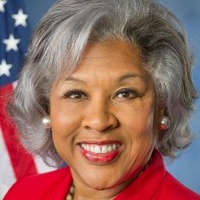
Joyce Beatty
Representative
OH
Joyce Beatty
Representative
OH
The Women’s Heart Health Expansion Act of 2026 reauthorizes the WISEWOMAN program through fiscal year 2031, securing significant funding for women's health initiatives. This legislation allows for supplemental grants to expand preventive health services, such as blood pressure and cholesterol screenings, to low-income women. These services will be integrated with existing breast and cervical cancer screening programs.
This bill officially renames the United States Postal Service facility in Martville, New York, as the "Sergeant Staret J. Engleston Memorial Post Office Building."
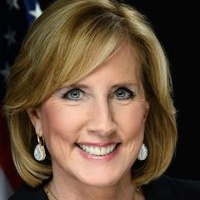
Claudia Tenney
Representative
NY
Claudia Tenney
Representative
NY
This bill officially renames the United States Postal Service facility in Martville, New York, located at 15422 NY 104. The building will now be known as the "Sergeant Staret J. Engleston Memorial Post Office Building." This designation must be used in all future official federal references to the facility.
This bill allows first-time homebuyers to make tax-free withdrawals from 529 college savings plans for home purchases under specific conditions.
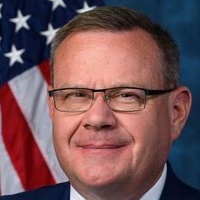
Tim Moore
Representative
NC
Tim Moore
Representative
NC
The Unlocking Homeownership Act allows first-time homebuyers to make tax-free withdrawals from their 529 college savings plans to purchase a principal residence. These distributions can be used for qualified acquisition costs for the beneficiary, their spouse, or certain family members. The bill also includes special provisions for transferring or recontributing funds if a planned home purchase is delayed or canceled due to a federally declared disaster.