Legislative Activity
Track Michael's sponsored bills, co-sponsored legislation, and voting record
The Consumer Financial Protection Accountability and Reform Act of 2026 seeks to increase the CFPB’s transparency and accountability by restructuring its funding, refining its enforcement and rulemaking standards, and establishing clearer regulatory oversight for financial institutions and consumer products.
Garland Barr
Representative
KY
Garland Barr
Representative
KY
The Consumer Financial Protection Accountability and Reform Act of 2026 seeks to restructure the Consumer Financial Protection Bureau (CFPB) by bringing it under congressional appropriations and establishing more rigorous oversight and transparency requirements. The bill introduces stricter standards for enforcement actions, clarifies definitions of abusive practices, and provides new regulatory frameworks for emerging financial products like earned wage access. Additionally, it adjusts supervisory thresholds and limits the Bureau’s ability to use market-monitoring data for enforcement, aiming to increase procedural fairness for both financial institutions and consumers.
The SPF Act of 2026 mandates a National Park Service report on strategies to provide affordable, eco-friendly sunscreen and sun-protection education to park visitors.

Debbie Dingell
Representative
MI
Debbie Dingell
Representative
MI
The SPF Act of 2026 aims to reduce skin cancer risks by increasing access to sun protection in national parks. The bill directs the National Park Service to study and report on methods for providing affordable, mineral-based sunscreen and sun-protective gear to visitors. It also requires the development of a plan to improve public awareness regarding effective sun safety practices.
This legislation imposes sweeping economic sanctions on Russia to isolate its economy and defense sector while extending existing sanctions on Iran for an additional five years.
Jimmy Panetta
Representative
CA
Jimmy Panetta
Representative
CA
The Lindsey O. Graham Sanctioning Russia and Iran Act of 2026 imposes sweeping economic and financial sanctions on Russia to isolate its economy and disrupt its defense and energy sectors. The bill further mandates the extension of existing sanctions against Iran through 2031 to maintain ongoing diplomatic and economic pressure. Together, these measures aim to penalize foreign aggression and restrict access to U.S. capital and markets.
The Right to Worship Act establishes civil penalties and legal recourse for individuals who knowingly disrupt or impede access to scheduled religious services at houses of worship.
Brad Knott
Representative
NC
Brad Knott
Representative
NC
The Right to Worship Act protects the free exercise of religion by establishing civil penalties for knowingly disrupting or impeding access to scheduled religious services. The bill allows for both government enforcement and private lawsuits to address conduct that interferes with congregants within 100 feet of a house of worship. It balances these protections with existing free speech rights by focusing on the conduct and impact of the interference rather than the content of the speech.
The Feeding Our Rural Kids (FORK) Act of 2026 establishes a pilot program providing grants to help eligible organizations purchase or maintain vehicles for delivering summer meals to children in underserved rural areas.
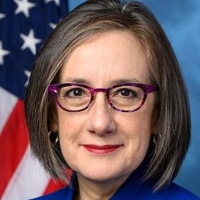
Andrea Salinas
Representative
OR
Andrea Salinas
Representative
OR
The Feeding Our Rural Kids (FORK) Act of 2026 establishes a pilot program to provide grants for vehicles used to deliver summer meals to children in underserved rural areas. By funding the purchase and maintenance of delivery vehicles, this legislation aims to improve food access for students in economically disadvantaged communities.
The Veterans Entrepreneurship Act of 2026 establishes a three-year SBA pilot program to provide grants and entrepreneurship training to eligible veterans for starting or acquiring small businesses.

Ben Cline
Representative
VA
Ben Cline
Representative
VA
The Veterans Entrepreneurship Act of 2026 establishes a three-year pilot program through the Small Business Administration to provide grants and training to eligible veterans starting or acquiring small businesses. The program supports veteran-owned enterprises by offering financial assistance based on GI Bill benefits and providing mandatory entrepreneurship readiness training. This initiative aims to test the effectiveness of federal support in helping veterans successfully launch and manage their own businesses.
This resolution designates the first week of August as "National Community Health Center Week" to honor the vital role community health centers play in providing comprehensive primary care to millions of Americans.
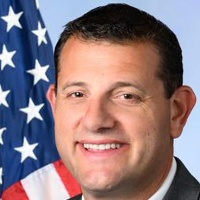
David Valadao
Representative
CA
David Valadao
Representative
CA
This resolution designates the first week of August as "National Community Health Center Week" to honor the vital role these centers play in providing comprehensive primary care to millions of Americans. It celebrates the 60-year legacy of community health centers in improving public health outcomes, supporting local economies, and expanding access to essential services. The bill encourages all Americans to visit their local centers and recognize the dedicated staff and partners who make this care possible.
The Wildfire Research Coordination Act of 2026 mandates interagency collaboration between the Departments of Defense, Agriculture, and the Interior to align and streamline federal fire science research and technology priorities.
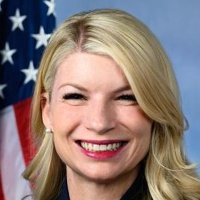
Brittany Pettersen
Representative
CO
Brittany Pettersen
Representative
CO
The Wildfire Research Coordination Act of 2026 mandates a formal partnership between the Departments of Defense, Agriculture, and the Interior to align federal fire science research and technology priorities. By coordinating efforts across key programs, the Act aims to improve wildfire mitigation, modeling, and post-fire recovery strategies. Additionally, the legislation requires a report to Congress detailing the implementation of this interagency collaboration.
The Wildfire Responder Protection Act expands federal employment protections to include a broader range of fire management roles, such as fuels specialists and prescribed fire crews.
Brittany Pettersen
Representative
CO
Brittany Pettersen
Representative
CO
The Wildfire Responder Protection Act expands federal employment protections to include a broader range of wildfire management roles, such as fuels specialists, burn bosses, and prescribed fire crew members. The bill updates existing statutes to ensure that personnel involved in planned ignitions and fuels reduction activities receive the same coverage as those engaged in traditional fire suppression.
This resolution commemorates the 61st anniversary of Medicare, recognizing its historic role in providing essential health care security to millions of older Americans and individuals with disabilities.
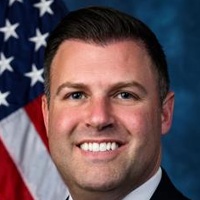
Ryan Mackenzie
Representative
PA
Ryan Mackenzie
Representative
PA
This resolution commemorates the 61st anniversary of Medicare, recognizing its vital role in providing health security to millions of seniors and individuals with disabilities. It honors the health care providers and staff who sustain the program while underscoring the importance of ensuring its long-term solvency for future generations.
The Stop EU Overreach Act mandates a formal investigation by the U.S. Trade Representative into the economic burden and extraterritorial impact of European Union sustainability and environmental regulations on American businesses.
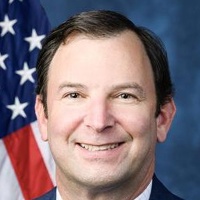
Craig Goldman
Representative
TX
Craig Goldman
Representative
TX
The Stop EU Overreach Act mandates that the United States Trade Representative (USTR) launch a formal Section 301 investigation into the extraterritorial impact of various European Union environmental and sustainability regulations on U.S. businesses. The bill seeks to address concerns that these EU mandates impose unfair, burdensome, and conflicting requirements on U.S. companies for operations occurring outside of Europe. If the investigation confirms these practices harm U.S. commerce, the USTR is authorized to take retaliatory trade actions to eliminate those burdens.
The Investing in State Energy Act of 2026 establishes mandatory deadlines for the distribution of federal energy assistance funds and increases authorized appropriations for the State Energy Program through 2031.
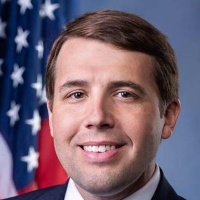
Chris Pappas
Representative
NH
Chris Pappas
Representative
NH
The Investing in State Energy Act of 2026 streamlines the delivery of federal energy support by establishing mandatory deadlines for the distribution of funds and application guidance under the Weatherization Assistance and State Energy Programs. Additionally, the bill authorizes increased funding for the State Energy Program through 2031 to support state-led energy conservation efforts.
This bill prohibits all United States contributions to the United Nations Relief and Works Agency (UNRWA) while establishing strict vetting requirements for alternative humanitarian aid providers.
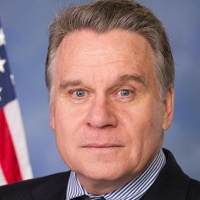
Christopher Smith
Representative
NJ
Christopher Smith
Representative
NJ
The Stop Support for UNRWA Act of 2026 prohibits the United States from providing any voluntary or assessed contributions to the United Nations Relief and Works Agency (UNRWA). While it bars direct funding to the agency, the bill allows for humanitarian aid to be delivered through alternative organizations, provided they are certified to be free of ties to terrorism, violence, or antisemitism.
This bill designates the United States Postal Service facility located at 114 John Street in New York, New York, as the "Jack Greenberg Post Office."

Dan Goldman
Representative
NY
Dan Goldman
Representative
NY
This bill officially designates the United States Postal Service facility located at 114 John Street in New York, New York, as the "Jack Greenberg Post Office." All official federal records and documents will be updated to reflect this new name.
This bill restricts stock trading by Members of Congress and their families while establishing new federal requirements for voters to provide photo identification in federal elections.
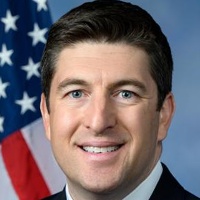
Bryan Steil
Representative
WI
Bryan Steil
Representative
WI
The Stop Insider Trading Act restricts Members of Congress, their spouses, and dependent children from purchasing or selling individual stocks to prevent conflicts of interest. Additionally, the bill mandates that voters provide valid photo identification when voting in person or by mail in federal elections.
The Main Street Act aims to foster economic growth by reducing regulatory burdens on community banks, streamlining the application and merger processes, and enhancing transparency in financial supervision.
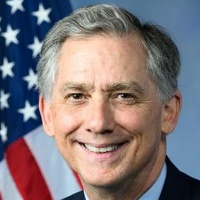
J. Hill
Representative
AR
J. Hill
Representative
AR
The Main Street Act is comprehensive legislation designed to foster a more competitive and accessible banking environment by reducing regulatory burdens on community banks and credit unions. The bill streamlines application processes, modernizes supervision standards, and enhances transparency across federal financial agencies to encourage local lending and economic growth. Additionally, it promotes innovation and financial stability by facilitating bank-fintech partnerships and improving the tools available for managing liquidity and bank resolutions.
The Public Safety Officers’ Benefits Enhancement Act of 2026 simplifies the claims process for survivors by expanding the qualifying window for heart-related duty deaths and removing barriers to benefit eligibility.
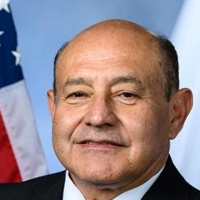
J. Correa
Representative
CA
J. Correa
Representative
CA
The Public Safety Officers’ Benefits Enhancement Act of 2026 simplifies the process for survivors to receive death benefits following an officer's heart attack or stroke. It removes barriers by eliminating the use of pre-existing health conditions as a basis for claim denial and extends the qualifying window for duty-related events from 24 to 72 hours. These changes ensure that families receive support more efficiently by strengthening the presumption that such medical events are connected to an officer's service.
This bill authorizes a seven-year grant program for the National Law Enforcement Officers Memorial Fund to support the National Law Enforcement Museum’s educational, community outreach, and officer wellness initiatives.
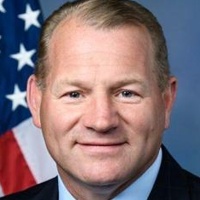
Troy Nehls
Representative
TX
Troy Nehls
Representative
TX
The National Law Enforcement Officers Remembrance, Support, and Community Outreach Act authorizes $6 million in annual grants over seven years to the National Law Enforcement Officers Memorial Fund. These funds will support the National Law Enforcement Museum’s public education, community outreach, and officer safety and wellness programs. As a condition of the grant, the museum must provide free admission to law enforcement officers and their families, as well as dedicated free hours for the general public.
This bill officially renames the United States Postal Service facility at 80 Atlantic Avenue in Oceanside, New York, as the "Detective Luis G. Alvarez Post Office."
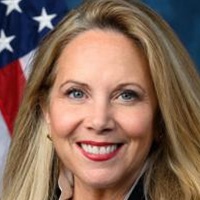
Laura Gillen
Representative
NY
Laura Gillen
Representative
NY
This bill officially renames the United States Postal Service facility located at 80 Atlantic Avenue in Oceanside, New York, in honor of Detective Luis G. Alvarez. The designation will now be used in all official records and documents pertaining to that post office.
The Tuskegee Airmen Memorial Act of 2026 authorizes the establishment of a privately funded commemorative work in Washington, D.C., to honor the Tuskegee Airmen of World War II.
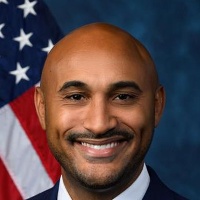
Shomari Figures
Representative
AL
Shomari Figures
Representative
AL
The Tuskegee Airmen Memorial Act of 2026 authorizes Tuskegee Airmen, Inc. to establish a commemorative work on federal land in Washington, D.C., to honor the original Tuskegee Airmen of World War II. The project will be funded entirely through private donations, with no federal funds permitted for its construction or maintenance.