The PLAY Act of 2026 expands tax credits and flexible spending options for youth physical activities while establishing a federal grant program to make recreational youth sports more accessible.
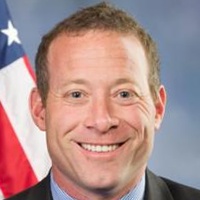
Josh Gottheimer
Representative
NJ-5
The PLAY Act of 2026 aims to promote youth physical activity through significant tax incentives and new federal funding. It expands the Child and Dependent Care Tax Credit to include youth sports expenses and increases contribution limits for dependent care FSAs. Additionally, the bill allows certain health savings accounts to be used for youth physical activity costs and establishes a HHS grant program to make recreational sports more affordable.
New PLAY Act Expands Tax Credits and FSAs for Youth Sports, Setting $7,000 Cap for Dependent Care
The Promoting Lifelong Activity for Youth Act of 2026—or the PLAY Act—is basically a financial assist for parents trying to keep their kids active. It’s designed to make youth sports, fitness classes, and other physical activities less of a budget strain by expanding tax breaks and giving families more flexibility with their pre-tax savings plans. If you’ve been juggling work and trying to find the cash for soccer registration or gymnastics fees, this bill aims to lighten that load starting in 2026.
The Tax Credit Upgrade: More Money for More Activities
The biggest financial change comes through the Child and Dependent Care Tax Credit (CDCTC). Right now, this credit helps offset the cost of care so you can work, but the PLAY Act expands what counts as an eligible expense. Crucially, it adds youth physical activities to the list of expenses you can claim. So, if you’re using the credit for daycare, you can now stack those costs with swim lessons or basketball league fees. The bill also raises the maximum amount of expenses you can claim: up to $4,000 for one child and $7,000 for two or more children (Section 2). This is a significant bump that could translate into real savings at tax time for working parents. Plus, it carves out an exception for the existing rule that excludes overnight camps, meaning some physical activity programs held overnight could now qualify—a nice win for summer planning.
Unlocking Pre-Tax Funds for Fitness
For those who use Flexible Spending Arrangements (FSAs) or Health Savings Accounts (HSAs), the bill introduces two major changes. First, it significantly increases the amount you can put into a Dependent Care FSA: up to $10,000 annually for most families, and $12,000 for unmarried individuals (Section 3). This means you can shield more of your income from taxes to pay for eligible care and activities. Second, and perhaps more surprisingly, the bill allows you to use funds from your HSA, Archer MSA, HRA, or FSA for youth physical activities (Section 4). This is a game-changer, as these accounts are typically reserved for medical expenses. However, there’s a cap: you can only claim up to $1,000 per taxpayer per year ($2,000 for joint filers) for these activity expenses.
The Fine Print on Fitness Spending
Before you start eyeing that new high-end mountain bike, note the strict limits on what counts as a qualified expense under the HSA/FSA rules. The bill defines “youth physical activities” broadly—covering fitness facilities, instruction, and equipment for dependents aged 4 through 17. However, it explicitly excludes several common costs: tournament entry fees, private lessons, training, and camps are out. Equipment is also capped; any single item of sports equipment is limited to the first $250 of its cost, and apparel must be necessary for and used only for the specific activity. If you’re paying for a program that includes travel or lodging, those components are non-qualifying, meaning you’ll have to figure out how to separate the physical activity cost from the rest (Section 4).
A $200 Million Boost for Local Sports
Beyond the tax code changes, the PLAY Act establishes a substantial $200 million competitive grant program through the Department of Health and Human Services (HHS) over five years (Section 5). This money is targeted at making recreational youth sports more accessible, specifically by helping local governments and non-profits lower or eliminate participation fees for families. This is a direct investment in community sports programs. Crucially, the bill specifies that this funding cannot go to elementary schools, secondary schools, or colleges, nor can it be used to fund programs that are considered "competitive, elite, or selective." The goal here is clearly to support the community-level, non-elite recreational leagues—think local park district soccer, not expensive travel teams.