Legislative Activity
Track Michael's sponsored bills, co-sponsored legislation, and voting record
This act reforms the requirements and procedures for determining and maintaining duty status.
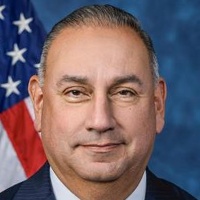
Gilbert Cisneros
Representative
CA
Gilbert Cisneros
Representative
CA
The Duty Status Reform Act aims to modernize and streamline the process for determining and managing duty status for federal employees. This legislation seeks to clarify existing regulations and ensure fair and consistent application of duty status rules across government agencies.
The PLAY Act of 2026 expands tax credits and flexible spending options for youth physical activities while establishing a federal grant program to make recreational youth sports more accessible.
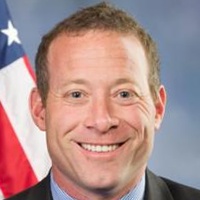
Josh Gottheimer
Representative
NJ
Josh Gottheimer
Representative
NJ
The PLAY Act of 2026 aims to promote youth physical activity through significant tax incentives and new federal funding. It expands the Child and Dependent Care Tax Credit to include youth sports expenses and increases contribution limits for dependent care FSAs. Additionally, the bill allows certain health savings accounts to be used for youth physical activity costs and establishes a HHS grant program to make recreational sports more affordable.
The Better Care for PFAS Patients Act of 2026 directs the ATSDR to establish and periodically update clinical guidance for healthcare providers to improve the diagnosis and treatment of PFAS-related health effects.
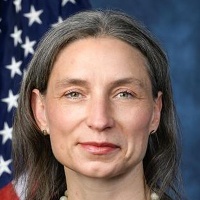
Maxine Dexter
Representative
OR
Maxine Dexter
Representative
OR
The Better Care for PFAS Patients Act of 2026 mandates that the Agency for Toxic Substances and Disease Registry (ATSDR) develop and regularly update clinical guidance for healthcare providers regarding the health effects of PFAS exposure. This legislation ensures that medical recommendations are based on the latest scientific research and incorporates direct input from affected communities. By establishing a formal process for assessment and dissemination, the bill aims to improve the quality of care for individuals exposed to PFAS.
The SHINE Act of 2026 establishes a voluntary federal program to help local governments streamline and speed up the permitting process for residential clean energy systems like solar panels and EV chargers.
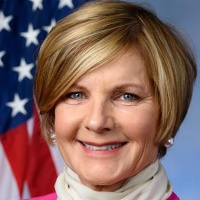
Susie Lee
Representative
NV
Susie Lee
Representative
NV
The SHINE Act of 2026 establishes a voluntary federal program to help local governments streamline and simplify permitting for residential clean energy systems like solar panels and EV chargers. The program, managed by the Secretary of Energy, will develop an exemplary online platform and standardized inspection protocols to speed up installations. It also authorizes funding and incentives to encourage local government adoption of these simplified processes.
This act mandates the EPA to list all PFAS chemicals with fully fluorinated carbon atoms as hazardous air pollutants and identify their emission source categories under the Clean Air Act.
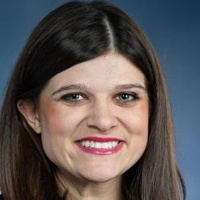
Haley Stevens
Representative
MI
Haley Stevens
Representative
MI
The PROTECT Act of 2026 mandates the Environmental Protection Agency (EPA) to list all perfluoroalkyl and polyfluoroalkyl substances (PFAS) with at least one fully fluorinated carbon atom as hazardous air pollutants. This action requires the EPA to identify and list the specific source categories that emit these newly designated hazardous substances under the Clean Air Act.
The RIPE Act establishes a USDA demonstration program to pay agricultural producers in selected watersheds for implementing environmentally beneficial conservation practices.
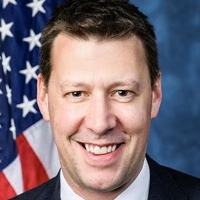
Josh Riley
Representative
NY
Josh Riley
Representative
NY
The Rural Investment for Producers and the Environment (RIPE) Act of 2026 establishes a demonstration program within the USDA to pay agricultural producers for implementing environmentally beneficial practices in selected watersheds. This program will offer direct, performance-based contracts ranging from three to five years to improve water quality, soil health, and climate resiliency. Payments will be calculated based on costs, foregone income, and environmental benefits, with increased rates for limited resource and socially disadvantaged farmers.
This act establishes a 180-day "first look" period granting qualified homebuyers and organizations exclusive early access to purchase certain government-owned single-family properties before they can be sold to institutional investors.
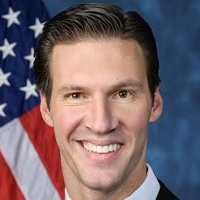
Pat Harrigan
Representative
NC
Pat Harrigan
Representative
NC
The Families First Housing Act of 2026 establishes an 180-day "first look" period for certain homebuyers and organizations to purchase government-owned single-family properties before they can be sold to institutional investors. This mandates that federal housing entities offer eligible properties at fair market value exclusively to qualified primary residents, nonprofits, or local governments during this initial period. The Act also requires public listing, reporting on sales, and imposes penalties for non-compliance.
This act mandates a strategic review and report on optimizing the Northeast Home Heating Oil Reserve to ensure its readiness for energy and economic security.
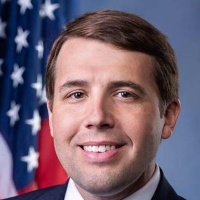
Chris Pappas
Representative
NH
Chris Pappas
Representative
NH
This act mandates a strategic review of the Northeast Home Heating Oil Reserve to ensure its readiness for energy security needs. The Secretary of Energy must report to Congress on the Reserve's optimal capacity, composition, and capabilities. The goal is to create an action plan for maximizing the Reserve's effectiveness in supporting the region's energy security.
This resolution condemns antisemitism amplified by AI, urges robust platform safeguards, and encourages stakeholder collaboration to counter this threat while upholding constitutional rights.
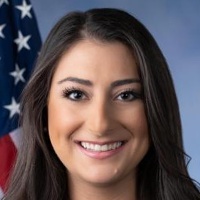
Sara Jacobs
Representative
CA
Sara Jacobs
Representative
CA
This resolution condemns antisemitism in all its forms, particularly its proliferation on artificial intelligence (AI) platforms. It urges technology companies to implement robust, transparent safeguards to prevent AI systems from generating or amplifying antisemitic content. The bill encourages the development of standards, research, and public awareness initiatives to combat this threat while ensuring all actions remain consistent with constitutional protections.
This bill mandates a Title VI awareness campaign, requires colleges to post civil rights information, and establishes monthly congressional briefings and annual audits regarding discrimination complaints on campus.
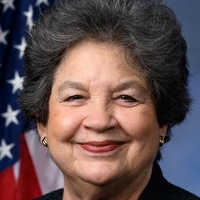
Lois Frankel
Representative
FL
Lois Frankel
Representative
FL
The Protecting Students on Campus Act of 2025 aims to increase awareness of civil rights protections for students under Title VI of the Civil Rights Act. The bill mandates a public awareness campaign and requires colleges receiving federal aid to prominently display links and materials related to filing discrimination complaints. Furthermore, it establishes regular congressional briefings and requires annual reporting and targeted audits on how institutions handle complaints of discrimination based on race, color, or national origin.
This bill reauthorizes and updates the White House Conference on Small Business, setting new timelines, participant rules, funding mechanisms, and administrative requirements for the 2025-2026 conference.
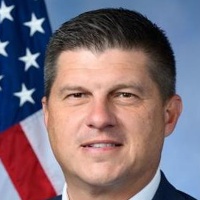
Brad Finstad
Representative
MN
Brad Finstad
Representative
MN
This bill reauthorizes the White House Conference on Small Business, updating its structure, timing, and purposes to better address current small business challenges. It modifies delegate selection, increases participant fees, and establishes a new funding mechanism relying on non-Federal gifts and bequests. The Act also mandates the creation of an electronic communication system for ongoing delegate collaboration and recommendation tracking.
This act mandates the Department of Veterans Affairs to conduct a comprehensive review of veteran suicides and associated prescription practices over the preceding five years, followed by a public report to Congress.
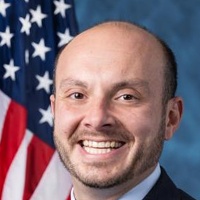
Andrew Garbarino
Representative
NY
Andrew Garbarino
Representative
NY
The Veteran Suicide Prevention Act mandates the Department of Veterans Affairs (VA) to conduct a comprehensive review of veteran suicides over the preceding five years, focusing on prescription practices. This review will analyze medication use, diagnoses, and demographic data for veterans who died by suicide while receiving VA care. The VA must then submit a detailed report of its findings and recommendations to Congress and the public.
This bill imposes comprehensive sanctions on Russia for its war against Ukraine while permanently extending the U.S. sanctions authority against Iran.
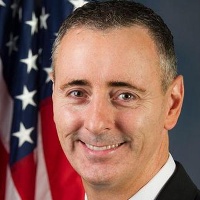
Brian Fitzpatrick
Representative
PA
Brian Fitzpatrick
Representative
PA
The Peace Through Strength Against Russia Act of 2025 imposes comprehensive sanctions on Russia's financial, military, and energy sectors in response to its war against Ukraine. This legislation cuts off major Russian banks from the U.S. financial system and bans new American investment in Russia. Additionally, the bill makes the existing sanctions authority against Iran permanent by removing its expiration date.
This act expands grant funding to support the development and implementation of research-based public service announcement campaigns aimed at preventing youth substance use.
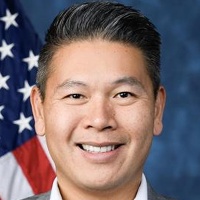
Derek Tran
Representative
CA
Derek Tran
Representative
CA
This act expands an existing grant program to specifically fund research-based public service announcement (PSA) campaigns aimed at preventing youth substance use. These campaigns must use age-appropriate materials across various media platforms. The bill also mandates annual reporting on the awarded grants, including campaign details and effectiveness evaluations.
The SAW Act establishes a federal prohibition and penalties for intentionally using a motor vehicle to harm or capture mammalian predators on most federal lands, with an exception for self-defense.
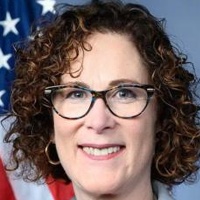
Valerie Hoyle
Representative
OR
Valerie Hoyle
Representative
OR
The Snowmobiles Arent Weapons (SAW) Act establishes a federal prohibition against using a motor vehicle to intentionally harm or capture mammalian predators on most federal lands. This act sets significant penalties, including fines and imprisonment, for violations. An exception is made for actions taken in self-defense against immediate harm.
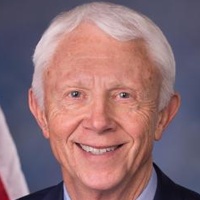
This bill establishes an annual preventative health evaluation for veterans with spinal cord injuries or disorders to assess their needs, including access to new assistive technologies like spinal cord neuromodulation.
Jack Bergman
Representative
MI
Jack Bergman
Representative
MI
The Veterans Spinal Trauma Access to New Devices (STAND) Act mandates an annual preventative health evaluation for veterans with spinal cord injuries or disorders. This comprehensive assessment will cover risks, pain management, nutrition, and the need for advanced assistive technologies, including neuromodulation devices. The VA is required to consult with specialists and manufacturers when developing implementation guidelines. Furthermore, the Secretary must report biennially to Congress on the utilization and outcomes of these evaluations and assistive technologies.
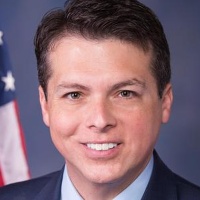
This resolution expresses support for designating November 2025 as National Lung Cancer Awareness Month to promote early detection, treatment, and education regarding the nation's leading cancer killer.
Brendan Boyle
Representative
PA
Brendan Boyle
Representative
PA
This resolution expresses support for designating November 2025 as National Lung Cancer Awareness Month. It highlights the critical need to increase public awareness regarding lung cancer prevention, early detection, and treatment options. The bill also recognizes significant disparities in screening rates and the impact of stigma on patients.
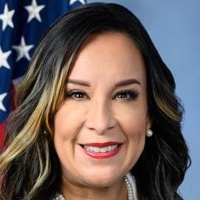
The Whistleblower Protection Act of 2025 extends federal anti-retaliation protections to all employees working under Department of Housing and Urban Development contracts, grants, and subgrants.
Mónica De La Cruz
Representative
TX
Mónica De La Cruz
Representative
TX
The Whistleblower Protection Act of 2025 extends critical anti-retaliation safeguards to employees working under Department of Housing and Urban Development (HUD) contracts and grants. This legislation ensures that individuals who report waste, fraud, or abuse involving HUD funds are protected from reprisal, regardless of when their contract was executed.
This bill establishes TRICARE coverage for fertility treatments, including IVF, for active duty service members and their dependents beginning October 1, 2027.
Sara Jacobs
Representative
CA
Sara Jacobs
Representative
CA
This bill, the Bipartisan IVF for Military Families Act, mandates that TRICARE provide coverage for fertility treatments, including IVF, for active duty service members and their dependents starting in late 2027. The legislation outlines specific coverage limits for egg retrievals and embryo transfers while prohibiting the use of DoD funds for certain procedures like preimplantation genetic screening. It also requires the establishment of a program to coordinate this specialized fertility care for military families.
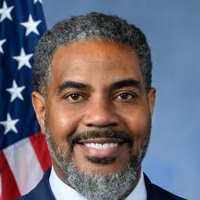
This bill establishes a digital system for military beneficiaries to file and track complaints about access to care at military medical facilities and mandates an annual report analyzing these issues.
Steven Horsford
Representative
NV
Steven Horsford
Representative
NV
The Military CARE Act establishes a digital system for military beneficiaries to easily file and track complaints regarding access to care at military medical facilities. It mandates the creation of an annual report analyzing these complaints to identify trends and inform improvements. This aims to enhance transparency and accountability in military healthcare access.