
Legislative Activity
Track Kirsten's sponsored bills, co-sponsored legislation, and voting record
This resolution designates March 5, 2026, as "National Slam the Scam Day" to raise awareness and promote education against pervasive government imposter scams.
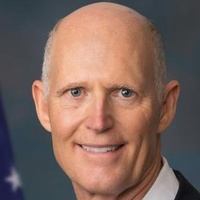
Rick Scott
Senator
FL
Rick Scott
Senator
FL
This resolution designates March 5, 2026, as "National Slam the Scam Day" to combat the pervasive issue of government imposter scams. The day aims to raise public awareness and promote education about these scams, which cost consumers billions annually and disproportionately harm older adults. It encourages proactive measures, reporting, and collaboration among various organizations to protect Americans from fraud.
This joint resolution seeks to disapprove and nullify the Department of Education's recent rule concerning the William D. Ford Federal Direct Loan Program.
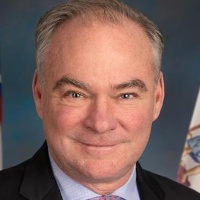
Timothy Kaine
Senator
VA
Timothy Kaine
Senator
VA
This joint resolution seeks to disapprove and nullify a specific rule recently issued by the Department of Education concerning the William D. Ford Federal Direct Loan Program. If enacted, this resolution would prevent the published rule from taking effect or being enforced.
This joint resolution directs the President to remove U.S. Armed Forces from unauthorized hostilities against Iran unless Congress declares war or provides specific authorization.

Chris Van Hollen
Senator
MD
Chris Van Hollen
Senator
MD
This joint resolution directs the President to remove United States Armed Forces from unauthorized hostilities against the Islamic Republic of Iran. It mandates that military involvement must cease unless Congress provides a formal declaration of war or specific authorization for the use of force. The bill preserves the President's authority to defend against direct attacks and provide humanitarian and defensive support to U.S. personnel and allies.
This joint resolution directs the President to remove U.S. Armed Forces from unauthorized hostilities against Iran while maintaining the authority to conduct defensive operations and support allies.

Andy Kim
Senator
NJ
Andy Kim
Senator
NJ
This joint resolution directs the President to remove United States Armed Forces from unauthorized hostilities against the Islamic Republic of Iran. It asserts Congress's constitutional authority to declare war while ensuring the U.S. retains the ability to defend its personnel, allies, and interests. The bill mandates this withdrawal unless Congress provides explicit authorization for the continued use of military force.
The Holocaust Expropriated Art Recovery Act of 2025 strengthens legal protections for victims of Nazi-looted art by preventing courts from dismissing claims based on procedural defenses or the passage of time.
John Cornyn
Senator
TX
John Cornyn
Senator
TX
The Holocaust Expropriated Art Recovery Act of 2025 strengthens the ability of claimants to recover art looted by the Nazis by ensuring cases are decided on their legal merits rather than procedural technicalities. The bill prevents courts from dismissing claims based on the passage of time or other non-merits defenses and clarifies that these actions may proceed regardless of the victim's nationality. These updates aim to remove legal barriers and ensure that justice for victims of Nazi persecution is not frustrated by procedural delays.
This bill officially defines xylazine, schedules it as a Schedule III controlled substance, and establishes specific regulations and reporting requirements for its illicit use.

Catherine Cortez Masto
Senator
NV
Catherine Cortez Masto
Senator
NV
The Combating Illicit Xylazine Act formally defines xylazine and immediately places it into Schedule III of the Controlled Substances Act. This legislation establishes specific rules for the legitimate veterinary use and possession of xylazine while mandating enhanced tracking and requiring the Sentencing Commission to review penalties for related offenses. Furthermore, the bill directs the Attorney General to report to Congress on the prevalence and impact of illicit xylazine use.
This resolution designates March 21, 2026, as "National Women in Agriculture Day" to honor the vital contributions and leadership of women across the U.S. agricultural industry.

Joni Ernst
Senator
IA
Joni Ernst
Senator
IA
This resolution designates March 21, 2026, as "National Women in Agriculture Day" to honor the vital contributions of women across the agricultural industry. It celebrates the essential roles women play as producers, educators, and leaders, while encouraging the nation to support and empower the next generation of female agricultural professionals.
The "Love Lives On Act of 2025" restores benefits to surviving spouses of veterans who remarry, including educational benefits, Dependency and Indemnity Compensation, Survivor Benefit Plan payments, and TRICARE eligibility.

Jerry Moran
Senator
KS
Jerry Moran
Senator
KS
The "Love Lives On Act of 2025" modifies eligibility rules for Dependency and Indemnity Compensation (DIC) and Survivor Benefit Plan (SBP) payments for surviving spouses who remarry. It allows remarried surviving spouses to receive certain educational benefits and DIC, and it continues annuity payments to surviving spouses who remarry, particularly those whose spouses died on active duty. Additionally, the Act expands the definition of "dependent" under the TRICARE program to include remarried widows or widowers whose subsequent marriage has ended.
This act reauthorizes the Delaware River Basin Conservation Program through 2033, formally includes Maryland in the program, and prioritizes grant funding for small, rural, and disadvantaged communities.

Lisa Blunt Rochester
Senator
DE
Lisa Blunt Rochester
Senator
DE
The Delaware River Basin Restoration Program Reauthorization Act of 2026 extends the program’s authorization through 2033 and formally expands its scope to include Maryland. The bill also introduces new grant priorities to better support projects serving small, rural, and disadvantaged communities within the basin.
The Tariff Refunds for Working Families Act provides direct financial relief to eligible households through a refundable tax credit funded by revenue from unlawful foreign tariffs.
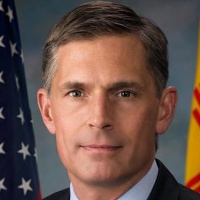
Martin Heinrich
Senator
NM
Martin Heinrich
Senator
NM
The Tariff Refunds for Working Families Act proposes using revenue from specific foreign import tariffs to provide direct tax relief to eligible households. The bill establishes a refundable tax credit of $600 per adult and qualifying child, with advance payments scheduled to begin in 2025. This initiative aims to support working families through income-based tax credits while ensuring the funds are distributed efficiently to residents across the U.S. and its territories.
This bill amends the Fair Labor Standards Act to ensure home care workers receive essential minimum wage and overtime protections by narrowing existing exemptions.
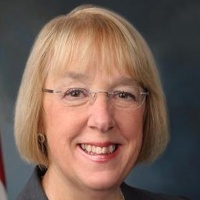
Patty Murray
Senator
WA
Patty Murray
Senator
WA
The Fair Wages for Home Care Workers Act amends the Fair Labor Standards Act to ensure home care workers receive essential minimum wage and overtime protections. By narrowing existing exemptions, the bill clarifies that these labor standards apply to professional caregivers, distinguishing them from casual, non-professional babysitting services.
The Working Americans’ Tax Cut Act establishes an alternative maximum tax rate for low- and middle-income individuals while implementing a new income-based surcharge for high earners.
Chris Van Hollen
Senator
MD
Chris Van Hollen
Senator
MD
The Working Americans’ Tax Cut Act aims to provide tax relief to low- and middle-income individuals by establishing an alternative maximum tax rate based on cost-of-living exemptions. To offset these reductions, the bill introduces a progressive tax surcharge on high-income earners. These changes are slated to take effect for tax years beginning after December 31, 2025.
The RAYS Act requires local school districts to provide students with easy access to mental health and suicide prevention resources on student identification cards and digital school platforms.
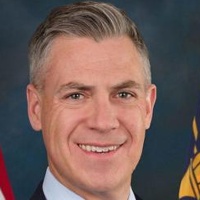
Jim Banks
Senator
IN
Jim Banks
Senator
IN
The Raising Awareness for Youth Suicide Prevention Act (RAYS Act) requires school districts receiving federal funds to provide students with easy access to mental health and suicide prevention resources. Under this legislation, contact information for crisis lifelines must be included on student identification cards or prominently displayed on school websites and digital portals. Additionally, the bill mandates federal outreach campaigns to ensure students, parents, and staff are well-informed about available mental health support.
The National Senior Investor Initiative Act of 2026 establishes a dedicated SEC taskforce to protect senior investors from financial exploitation and mandates a comprehensive GAO study on the economic impact and prevalence of elder financial abuse.
Andy Kim
Senator
NJ
Andy Kim
Senator
NJ
The National Senior Investor Initiative Act of 2026 establishes a dedicated Senior Investor Taskforce within the SEC to identify challenges, improve regulations, and protect investors over the age of 65 from financial exploitation. Additionally, the bill mandates a comprehensive GAO study to analyze the economic impact, frequency, and risk factors associated with the financial exploitation of senior citizens. This initiative aims to enhance oversight and coordination to better safeguard the financial well-being of older Americans.
The Small Business Liberation 2.0 Act provides financial relief, duty exemptions, and price-gouging protections to help small businesses navigate the economic impact of new or planned federal tariffs.
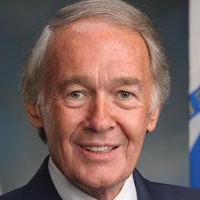
Edward Markey
Senator
MA
Edward Markey
Senator
MA
The Small Business Liberation 2.0 Act provides financial relief and tariff exemptions to small businesses impacted by sudden, widespread import duty increases. The bill also empowers the Federal Trade Commission to prevent price gouging by larger entities on goods affected by these tariffs. Additionally, it mandates annual reporting to monitor market pricing and the effectiveness of federal enforcement efforts.
The Supplemental Security Income Restoration Act of 2026 updates the SSI program by increasing benefit amounts, raising income and resource eligibility limits, eliminating marriage penalties, and expanding coverage to additional U.S. territories.
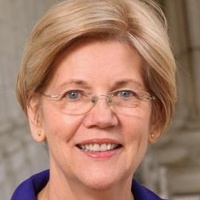
Elizabeth Warren
Senator
MA
Elizabeth Warren
Senator
MA
The Supplemental Security Income (SSI) Restoration Act of 2026 aims to modernize and expand the SSI program by increasing income and resource limits, adjusting benefit amounts, and eliminating outdated penalties. The bill also simplifies eligibility rules, excludes specific assets like retirement accounts from calculations, and extends full SSI program coverage to U.S. territories.
This bill prohibits high-level government officials from trading event contracts and mandates stricter financial disclosure requirements to prevent the misuse of nonpublic information.

Jeff Merkley
Senator
OR
Jeff Merkley
Senator
OR
The End Prediction Market Corruption Act prohibits the President, Vice President, and Members of Congress from trading event contracts to prevent conflicts of interest and the misuse of nonpublic information. The bill also mandates strict financial disclosure requirements for high-level government officials and establishes civil penalties for those who violate these trading restrictions.
This joint resolution directs the President to remove U.S. Armed Forces from unauthorized hostilities against Iran unless Congress provides a formal declaration of war or specific authorization for the use of military force.

Tammy Baldwin
Senator
WI
Tammy Baldwin
Senator
WI
This joint resolution directs the President to remove U.S. Armed Forces from unauthorized hostilities against Iran. It mandates the cessation of military action unless Congress provides a formal declaration of war or specific authorization for the use of force. The bill preserves the military's authority to defend against direct attacks and support partner nations in defensive operations.
The Democracy Is Strengthened by Casting Light On Spending in Elections Act of 2026 enhances election integrity by closing foreign funding loopholes, increasing transparency in political and judicial spending, and mandating clear disclosure requirements for political advertisements.

Sheldon Whitehouse
Senator
RI
Sheldon Whitehouse
Senator
RI
The **Democracy Is Strengthened by Casting Light On Spending in Elections (DISCLOSE) Act of 2026** aims to increase transparency and accountability in U.S. elections by closing loopholes that allow foreign spending and requiring greater disclosure of political donors. The legislation mandates that organizations report significant political expenditures, forces leaders to take personal responsibility for political advertisements, and streamlines the legal process for campaign finance challenges. Ultimately, these reforms seek to provide voters with clearer information about who is funding political campaigns and judicial nominations.
The BRAVE Burma Act strengthens U.S. sanctions and accountability measures against the Burmese military regime, extends existing oversight provisions, and establishes a dedicated Special Envoy to coordinate diplomatic efforts toward restoring democracy in Burma.
Chris Van Hollen
Senator
MD
Chris Van Hollen
Senator
MD
The BRAVE Burma Act strengthens U.S. pressure on the Burmese military regime by extending existing sanctions, mandating new assessments of state-owned enterprises and the jet fuel sector, and limiting Burma’s IMF shareholding. The bill also establishes a formal U.S. Special Envoy for Burma to lead diplomatic efforts, coordinate international sanctions, and support the restoration of a civilian-led democratic government.