
Legislative Activity
Track Kirsten's sponsored bills, co-sponsored legislation, and voting record
This resolution recognizes and celebrates the significant contributions of Asian Americans, Native Hawaiians, and Pacific Islanders to the history and culture of the United States.
Mazie Hirono
Senator
HI
Mazie Hirono
Senator
HI
This resolution officially recognizes Asian American, Native Hawaiian, and Pacific Islander Heritage Month in May 2026. It celebrates the significant and growing contributions of these communities to American history, culture, and government. The resolution also acknowledges important anniversaries and ongoing challenges faced by the community.
This bill mandates the forfeiture of government annuities and retired pay for federal employees and military personnel convicted of specified sex crimes.

Joni Ernst
Senator
IA
Joni Ernst
Senator
IA
This bill, the "No Taxpayer-Funded Pensions for Sex Criminals Act," amends federal law to require the forfeiture of government annuities and retired pay for federal employees and retirees convicted of specific sex crimes. The forfeiture applies to individuals convicted of these offenses on or after the date the Act is enacted. This legislation ensures that those convicted of serious sex offenses cannot receive taxpayer-funded retirement benefits.
This bill establishes the Prediction Market Act of 2026, significantly amending the Commodity Exchange Act to create new CFTC rules, consumer protections, and trading restrictions for financial contracts based on future events.
Dave McCormick
Senator
PA
Dave McCormick
Senator
PA
The Prediction Market Act of 2026 establishes new rules and restrictions for "event contracts"—financial instruments based on future occurrences—under the oversight of the Commodity Futures Trading Commission (CFTC). The bill grants the CFTC authority to prohibit contracts deemed contrary to the public interest and mandates enhanced disclosure and anti-money laundering requirements for contracts offered to retail customers. Furthermore, it creates an Advisory Council and an Office of the Retail Advocate within the CFTC to focus on consumer protection and transparency. The Act also bans Members of Congress and high-level executive officials from trading these contracts and authorizes funding for increased CFTC oversight.
The GUARD Act establishes age verification requirements for AI chatbots, prohibits minors from accessing AI companions, and criminalizes using AI chatbots to solicit minors or promote violence.
Joshua Hawley
Senator
MO
Joshua Hawley
Senator
MO
The GUARD Act establishes federal guidelines for the use of artificial intelligence chatbots, particularly concerning minors. It mandates that companies operating these AI systems implement rigorous age verification processes for all users. Furthermore, the bill creates criminal penalties for designing AI that solicits minors into explicit conduct or promotes violence, and imposes civil penalties for non-compliance with user protection and disclosure requirements.
This bill prohibits the use of U.S. foreign assistance funds for programs that violate human rights or undermine public health, while also nullifying specific related State Department rules.
Jeanne Shaheen
Senator
NH
Jeanne Shaheen
Senator
NH
This bill amends the Foreign Assistance Act to prohibit U.S. foreign assistance funds from supporting programs that violate human rights or undermine public health, including those involving coercive family planning. It specifically nullifies three recent Department of State rules related to foreign assistance. The Secretary of State is required to issue compliance guidance and report annually to Congress on any violations.
This resolution commends the patriotic service and extraordinary contributions of the "Donut Dollies" to the morale and well-being of United States servicemembers during wartime.
Thom Tillis
Senator
NC
Thom Tillis
Senator
NC
This resolution commends the "Donut Dollies" for their patriotic service and steadfast support of U.S. servicemembers, particularly during the Vietnam War. It honors these American Red Cross volunteers for providing vital recreation and emotional support in combat zones. The bill recognizes their extraordinary contributions to troop morale and preserves the legacy of their courage and sacrifice.
This act establishes stricter housing, exercise, socialization, and veterinary care standards for commercial dog dealers under the Animal Welfare Act.
Richard Durbin
Senator
IL
Richard Durbin
Senator
IL
The Puppy Protection Act of 2026 significantly strengthens the Animal Welfare Act by establishing rigorous new standards for dog dealers. This bill mandates substantial improvements to housing, nutrition, exercise, socialization, and veterinary care for dogs. Furthermore, it introduces strict regulations on breeding practices, including health screening and limits on female dog litters, while ensuring humane retirement for breeding dogs.
This resolution expresses support for designating the week of May 3, 2026, through May 9, 2026, as National Small Business Week to celebrate the vital contributions of small businesses across the United States.
Joni Ernst
Senator
IA
Joni Ernst
Senator
IA
This resolution expresses support for designating the week of May 3, 2026, through May 9, 2026, as "National Small Business Week." It aims to celebrate the vital contributions and entrepreneurial spirit of small businesses across the United States. The bill recognizes the essential role these businesses play in the national economy and applauds their resilience.
This resolution designates April 2026 as "Financial Literacy Month" to raise public awareness about the critical need for personal financial education.
John Reed
Senator
RI
John Reed
Senator
RI
This resolution designates April 2026 as "Financial Literacy Month." The designation aims to raise public awareness about the critical importance of personal financial education. It calls upon various sectors of society to observe the month with appropriate programs and activities promoting financial well-being.
This Act expands eligibility for certain Small Business Administration (SBA) loans and bond guarantees to include specific non-citizens and individuals residing outside the U.S. if they meet established criteria.
Edward Markey
Senator
MA
Edward Markey
Senator
MA
The Investing in the American Dream Act expands eligibility for key Small Business Administration (SBA) loans and surety bonds. This change allows businesses majority-owned by certain immigrants, non-citizens lawfully present in the U.S., and even some individuals residing abroad to access federal support. The bill ensures that businesses meeting ownership and location criteria are not denied SBA financing solely because of the status of their eligible owners.
This bill establishes "deemed wages" into Social Security for individuals providing substantial unpaid care to qualifying dependent relatives to improve their future retirement benefits.

Christopher Murphy
Senator
CT
Christopher Murphy
Senator
CT
The Social Security Caregiver Credit Act of 2026 establishes a system of "deemed wages" to improve the retirement security of unpaid caregivers. This provision credits individuals who spend at least 80 hours per month caring for a dependent relative with notional earnings for Social Security benefit calculations. The goal is to recognize the value of caregiving and increase future benefits for those who provide essential, unpaid support.
This Act establishes comprehensive procedures and protections for parents apprehended during immigration enforcement actions to safeguard the well-being and family unity of their children in the United States.

Tina Smith
Senator
MN
Tina Smith
Senator
MN
The HELP Separated Children Act establishes comprehensive procedures to protect the rights and ensure the well-being of children when their parents are apprehended during immigration enforcement actions. It mandates that DHS officials identify detained parents, provide them with immediate access to make childcare arrangements, and facilitate ongoing communication and legal participation in child welfare and custody proceedings. The bill also requires mandatory training for personnel and extensive data collection to track the outcomes for these families.
This bill reauthorizes the Terrorism Risk Insurance Program for seven years, extending its operation until 2034 and updating the recoupment timelines for government recovery of insurance payments.
Dave McCormick
Senator
PA
Dave McCormick
Senator
PA
This bill officially reauthorizes the Terrorism Risk Insurance Program (TRIP) for an additional seven years, extending its operation until 2034. It also updates the mandatory recoupment timelines for when the government recovers insurance payments following a covered terrorist act.
The Neighborhood Tree Act of 2026 establishes the Neighborhood Tree Fund to prioritize and fund projects that increase and improve urban tree canopy in underserved and heat-vulnerable communities.
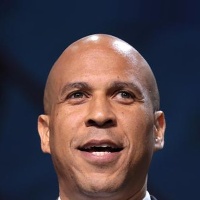
Cory Booker
Senator
NJ
Cory Booker
Senator
NJ
The Neighborhood Tree Act of 2026 establishes the Neighborhood Tree Fund to increase and improve urban tree canopies, prioritizing investments in underserved and high-heat communities. This legislation directs the Department of Agriculture to fund projects that enhance community health and climate resilience through tree planting and maintenance. The Act also updates the composition of the National Urban and Community Forestry Advisory Council to better reflect community needs.
This Act expands FEMA disaster assistance eligibility for property occupants without formal deeds, streamlines repair standards, and mandates joint housing consultation between FEMA and HUD following major disasters.
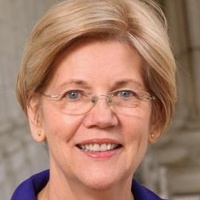
Elizabeth Warren
Senator
MA
Elizabeth Warren
Senator
MA
The Housing Survivors of Major Disasters Act of 2026 expands FEMA disaster assistance eligibility to include occupants without formal property ownership, such as those experiencing homelessness. It simplifies repair standards, allowing aid for any home "damaged by a major disaster," and mandates streamlined processes for self-certifying eligibility. The bill also requires FEMA to coordinate with HUD on joint temporary rental assistance programs following a disaster declaration.
This bill repeals an executive order and prohibits federal funding for creating national voter/citizenship databases or regulating mail-in ballots, reinforcing state authority over federal elections.
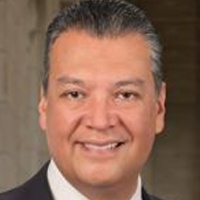
Alejandro Padilla
Senator
CA
Alejandro Padilla
Senator
CA
This bill, the Absentee and Mail Voter Protection Act, explicitly repeals Executive Order 14399, which attempted to regulate mail-in voting. It prohibits federal agencies, including the Postal Service, from using funds to create national voter/citizenship databases or interfere with state administration of absentee and mail-in ballots. The Act reaffirms that states, not the federal government, control federal election procedures.
This Act mandates the swift, automatic refund of unlawfully collected duties imposed under the International Emergency Economic Powers Act, prioritizing small businesses and requiring no importer action.
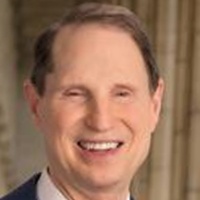
Ron Wyden
Senator
OR
Ron Wyden
Senator
OR
The Speedy Tariff Refund Act of 2026 mandates the immediate, automatic refund of all duties unlawfully collected under the International Emergency Economic Powers Act. This legislation requires U.S. Customs and Border Protection to issue these refunds, with interest, within 30 days without requiring any formal request or documentation from importers. Congress strongly urges businesses that benefited from these duties to pass the refunds along to affected customers and families.
This joint resolution directs the President to remove U.S. Armed Forces from hostilities within or against Iran unless Congress has explicitly authorized the action.
Adam Schiff
Senator
CA
Adam Schiff
Senator
CA
This joint resolution directs the President to remove U.S. Armed Forces from hostilities within or against Iran unless Congress has explicitly authorized the action. It asserts Congress's sole power to declare war and notes the current hostilities lack such authorization under the War Powers Resolution. The bill carves out exceptions for necessary self-defense, intelligence sharing, and assisting allies defensively.
The YouthBuild for the Future Act reauthorizes and updates the YouthBuild program to expand education, job training, and career pathways for low-income young people, while also establishing new grants for employer partnerships.
Edward Markey
Senator
MA
Edward Markey
Senator
MA
The YouthBuild for the Future Act reauthorizes and updates the existing YouthBuild program to better prepare low-income young people (ages 16-24) for postsecondary education, apprenticeships, and careers in high-demand fields like clean energy. The bill expands authorized activities to include comprehensive support services and requires stronger performance accountability measures. Additionally, it establishes a new grant program to foster employer partnerships specifically designed to create employment and training opportunities for YouthBuild participants.
This act repeals the federal tax credit and gross income exclusion for contributions to and distributions from scholarship granting organizations.
Mark Kelly
Senator
AZ
Mark Kelly
Senator
AZ
The Keep Public Funds in Public Schools Act repeals federal tax incentives that encourage private donations to scholarship granting organizations. Specifically, it eliminates the tax credit for contributions and the exclusion of certain scholarship amounts from gross income. This legislation aims to redirect financial support toward public education systems.