
Legislative Activity
Track Kirsten's sponsored bills, co-sponsored legislation, and voting record
The Democracy Is Strengthened by Casting Light On Spending in Elections Act of 2026 enhances election integrity by closing foreign funding loopholes, increasing transparency in political and judicial spending, and mandating clear disclosure requirements for political advertisements.

Sheldon Whitehouse
Senator
RI
Sheldon Whitehouse
Senator
RI
The **Democracy Is Strengthened by Casting Light On Spending in Elections (DISCLOSE) Act of 2026** aims to increase transparency and accountability in U.S. elections by closing loopholes that allow foreign spending and requiring greater disclosure of political donors. The legislation mandates that organizations report significant political expenditures, forces leaders to take personal responsibility for political advertisements, and streamlines the legal process for campaign finance challenges. Ultimately, these reforms seek to provide voters with clearer information about who is funding political campaigns and judicial nominations.
The Living Donor Protection Act of 2025 prohibits insurance discrimination against living organ donors and guarantees job-protected leave for those undergoing donation surgery.
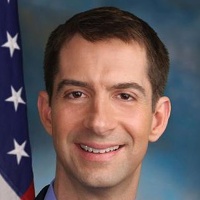
Tom Cotton
Senator
AR
Tom Cotton
Senator
AR
The Living Donor Protection Act of 2025 prohibits insurance companies from discriminating against living organ donors regarding life, disability, or long-term care coverage. The bill also amends the Family and Medical Leave Act (FMLA) to explicitly classify organ donation surgery as a serious health condition, ensuring job-protected leave for donors. Additionally, it mandates that the Department of Health and Human Services update public educational materials to reflect these new protections and the realities of organ donation.
The Enhanced Cybersecurity for SNAP Act of 2026 mandates the transition to chip-enabled EBT cards, strengthens digital security standards, and improves fraud protection and card replacement services for SNAP recipients.

Ron Wyden
Senator
OR
Ron Wyden
Senator
OR
The Enhanced Cybersecurity for SNAP Act of 2026 mandates a transition to secure, chip-enabled EBT cards to better protect SNAP recipients from fraud and benefit theft. The bill requires states to modernize their digital account management tools, improves online transaction security, and establishes a grant program to help small retailers upgrade their payment terminals. Additionally, it streamlines the card replacement process and prohibits states from charging fees for replacing cards compromised by fraud or technical malfunctions.
This bill strengthens the Community Development Financial Institutions (CDFI) Fund by improving bond guarantee programs, enhancing liquidity assistance, and establishing a new relending program to expand homeownership opportunities for Native communities.
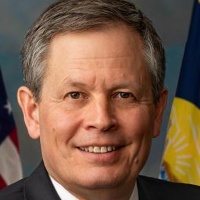
Steve Daines
Senator
MT
Steve Daines
Senator
MT
The Access to Fair Financing for Opportunity and Resilient Development Act strengthens Community Development Financial Institutions (CDFIs) by improving the bond guarantee program and establishing new liquidity and capitalization initiatives. The bill also creates a dedicated relending program to expand homeownership opportunities within Native American, Alaska Native, and Native Hawaiian communities. Additionally, it mandates increased congressional oversight and reporting regarding the effectiveness of these federal financial programs.
The Direct File Act of 2026 establishes a permanent, free, government-operated online tax filing system while prohibiting agreements that restrict the IRS from providing direct tax preparation services.
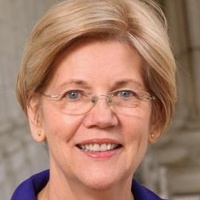
Elizabeth Warren
Senator
MA
Elizabeth Warren
Senator
MA
The Direct File Act of 2026 establishes a permanent, free, and user-friendly online tax filing program operated directly by the IRS. The bill prohibits the Treasury from entering into agreements that restrict government-provided filing services and mandates the development of a seamless, accessible platform for federal and state tax returns. This initiative aims to simplify the filing process for taxpayers while ensuring the government maintains full control over its own tax preparation software.
This bill authorizes the display of the Pride flag at National Park System units and expresses the Senate's support for its presence at the Stonewall National Monument.
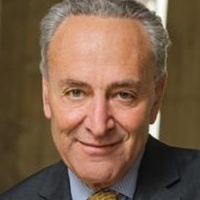
Charles Schumer
Senator
NY
Charles Schumer
Senator
NY
This bill authorizes the display of the Pride flag at all National Park System units. Additionally, it expresses the Senate's formal support for restoring and maintaining the Pride flag at the Stonewall National Monument in New York.
This resolution celebrates Black History Month by recognizing the history, acknowledging the injustices, and commemorating the profound contributions of African Americans to the United States.
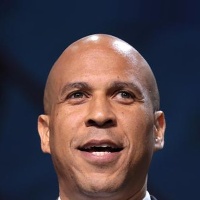
Cory Booker
Senator
NJ
Cory Booker
Senator
NJ
This resolution celebrates Black History Month by recognizing the profound history and enduring contributions of African Americans to the United States. It acknowledges past injustices while honoring the achievements across all fields that have shaped the nation. The resolution encourages continued reflection and unity as we move forward with liberty and justice for all.
This resolution supports the United States Olympic and Paralympic Teams competing in the 2026 Winter Games and expresses pride in Team USA's history of excellence.

Amy Klobuchar
Senator
MN
Amy Klobuchar
Senator
MN
This resolution expresses strong support for the United States Olympic and Paralympic Teams competing in the 2026 Winter Games in Milano Cortina, Italy. It applauds the athletes for their dedication and sportsmanship while recognizing the historical significance of the Olympic and Paralympic Movements. Furthermore, the resolution reaffirms the U.S. commitment to hosting safe and successful Games in Los Angeles (2028) and Utah (2034).
The Respect for Local Communities Act requires the Department of Homeland Security to obtain formal consent from local and state officials before acquiring, building, or modifying any new immigration processing site or detention center.
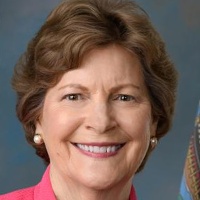
Jeanne Shaheen
Senator
NH
Jeanne Shaheen
Senator
NH
The Respect for Local Communities Act requires the Department of Homeland Security to obtain formal consent from local government officials and state leadership before acquiring, building, or modifying any immigration processing site or detention center. The bill mandates comprehensive impact assessments, public notice periods, and economic reviews to ensure transparency and local oversight. Ultimately, federal agencies are prohibited from proceeding with such projects without a signed agreement from the affected local jurisdiction.
This Act prohibits retail food stores from engaging in surveillance-based price setting, imposing limits on price gouging, and mandating non-digital price displays.
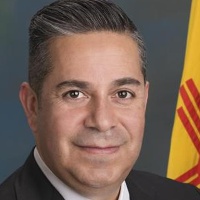
Ben Luján
Senator
NM
Ben Luján
Senator
NM
The Stop Price Gouging in Grocery Stores Act of 2026 prohibits retail food stores from charging grossly excessive prices and bans the use of surveillance technology to set customized prices for individual consumers. The law mandates that all prices must be displayed using clear, non-digital methods like physical labels, and it grants the Federal Trade Commission (FTC) authority to enforce these provisions. Violators face significant civil penalties, and consumers are granted the right to sue for damages.
This Act establishes a joint U.S.-Israel initiative to accelerate and expand cooperation in defense technology research, development, and integration across critical domains.
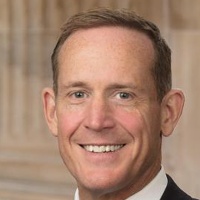
Ted Budd
Senator
NC
Ted Budd
Senator
NC
The FUTURES Act of 2026 establishes a joint initiative between the U.S. and Israeli defense departments to accelerate and expand cooperation on defense technology research, development, and industrial integration. This program focuses on rapidly incorporating jointly developed and Israeli-origin technologies into U.S. military systems across critical domains like AI, counter-drone systems, and directed energy. The Act authorizes funding for these efforts and mandates regular reporting to Congress on progress and technology transition.
This bill reauthorizes and expands the Rural Innovation Stronger Economy (RISE) grant program to support economic development in diverse rural communities, prioritizing those under 20,000 residents.
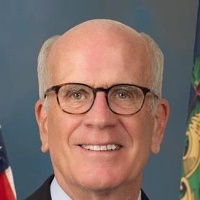
Peter Welch
Senator
VT
Peter Welch
Senator
VT
The Rural Innovation Stronger Economy (RISE) Reauthorization Act of 2026 reauthorizes and expands the RISE grant program to support economic development in rural communities. This legislation directs the Secretary of Agriculture to prioritize smaller communities, ensuring at least 10% of funds benefit areas under 10,000 residents. The bill authorizes $50 million annually for fiscal years 2027 through 2031 and updates program language for broader application.
The Healthy Families Act establishes a national standard requiring most employers to provide employees with earned paid sick time for personal or family health needs, domestic violence, sexual assault, or stalking.
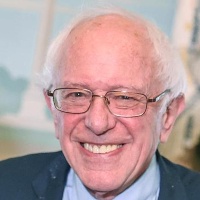
Bernard Sanders
Senator
VT
Bernard Sanders
Senator
VT
The Healthy Families Act establishes a national standard requiring most employers to provide employees with earned paid sick time, accruing at a rate of one hour for every 30 hours worked. This protected leave can be used for the employee's or a family member's illness, medical care, or for reasons related to domestic violence, sexual assault, or stalking. The Act strictly prohibits employers from retaliating against employees for using or requesting this time and mandates clear notice requirements regarding these new rights.
The Safeguard American Voter Eligibility (SAVE) Act requires individuals to provide documentary proof of U.S. citizenship to register to vote in federal elections and mandates the use of photo identification for in-person and mail-in voting.
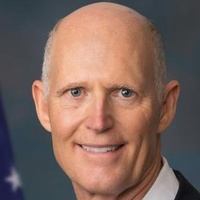
Rick Scott
Senator
FL
Rick Scott
Senator
FL
The Safeguard American Voter Eligibility (SAVE) Act requires individuals to provide documentary proof of U.S. citizenship when registering to vote in federal elections. Additionally, the bill mandates that voters present a valid photo ID to cast a ballot in person or by mail. These measures aim to ensure that only eligible U.S. citizens participate in federal elections.
The 21st Century WIC Act of 2026 modernizes the WIC program by expanding options for remote certification, benefit issuance, and requiring a report on the use of digital technologies.

Roger Marshall
Senator
KS
Roger Marshall
Senator
KS
The 21st Century WIC Act of 2026 modernizes the WIC program by expanding options for participant certification and benefit issuance through remote technologies like phone and video. It allows states the flexibility to temporarily certify eligible individuals based on income while requiring follow-up data collection. Furthermore, the bill mandates a comprehensive report to Congress detailing the use and impact of these remote technologies within the WIC system.
This bill expands the reporting categories for high-value dividends, rents, interest, capital gains, and other amounts in federal financial disclosure reports.
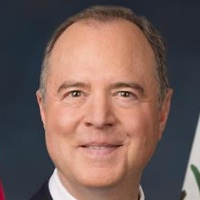
Adam Schiff
Senator
CA
Adam Schiff
Senator
CA
The Financial Disclosure Modernization Act updates federal financial disclosure requirements by establishing new, higher reporting thresholds for various income sources like dividends, rents, interest, and capital gains. This legislation mandates more granular reporting for very large financial amounts. These changes apply to all required financial disclosure reports filed after the Act's enactment.
This bill updates the Patrick Leahy Lake Champlain Basin Program by changing the fiscal agent selection process, authorizing the Great Lakes Fishery Commission to conduct work in the basin, and extending the program's authorization through 2032.
Peter Welch
Senator
VT
Peter Welch
Senator
VT
The LCBP Enhancements Act of 2026 updates the Patrick Leahy Lake Champlain Basin Program by establishing a new, jointly selected fiscal agent to manage program funds and administration. It also authorizes the Great Lakes Fishery Commission to undertake specific restoration and management work within the Lake Champlain basin. Finally, the bill extends the program's authorization for appropriations through 2032.
The GUARD Act allows federal grant funds to be used by state and local agencies to investigate elder financial fraud, "pig butchering," and general financial fraud, while also mandating comprehensive federal reports on these scams.

Katie Britt
Senator
AL
Katie Britt
Senator
AL
The GUARD Act aims to combat financial fraud targeting seniors and others by allowing law enforcement to use specific federal grant funds to investigate elder financial fraud, "pig butchering," and general financial fraud. The bill also mandates comprehensive reports from the Treasury Department and FinCEN detailing the scope of these scams and federal enforcement efforts. Furthermore, it permits federal agencies to assist local law enforcement with advanced blockchain tracing tools.
This resolution condemns the systemic violence and exclusion of women in Haiti's crisis and calls for urgent measures to center their leadership and ensure their human rights are protected for the nation's stability.
Jeanne Shaheen
Senator
NH
Jeanne Shaheen
Senator
NH
This Senate resolution declares that protecting the rights of women and girls in Haiti is critical for the nation's stability and successful transition. It condemns the widespread gender-based violence and the exclusion of women from leadership roles in the transitional government. The resolution calls for urgent measures to center women's needs, ensure their meaningful participation, and fund programs to combat violence against them.
This joint resolution directs the President to remove U.S. Armed Forces from hostilities within or against Iran unless Congress has explicitly authorized such military action.
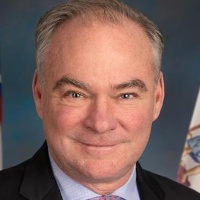
Timothy Kaine
Senator
VA
Timothy Kaine
Senator
VA
This joint resolution directs the President to remove U.S. Armed Forces from hostilities within or against Iran unless Congress has explicitly authorized such military action. It asserts that no such authorization currently exists. The bill permits continued activities like intelligence sharing and assisting allies with necessary defensive measures against Iranian threats.