This act mandates new FDA requirements for pediatric cancer drug investigations and extends the priority review voucher program to incentivize treatments for rare pediatric diseases.
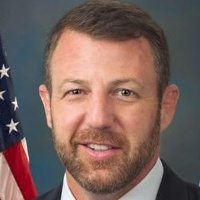
Markwayne Mullin
Senator
OK
The Mikaela Naylon Give Kids a Chance Act of 2025 enhances the FDA's authority to require pediatric investigations for new molecularly targeted cancer drugs. It also extends the priority review voucher program designed to incentivize the development of treatments for rare pediatric diseases until September 2030. Furthermore, the bill mandates studies to assess the effectiveness of these new drug investigation requirements and the existing voucher program.
FDA Gains New Power to Mandate Pediatric Cancer Drug Trials, Extends Rare Disease Incentives to 2030
The “Mikaela Naylon Give Kids a Chance Act of 2025” is all about getting drug companies to focus more of their R&D muscle on kids, specifically those fighting cancer and rare diseases. It tackles this goal with a one-two punch: new requirements for cancer drug trials and a major extension of a key incentive program.
Pediatric Cancer: A New Rule for Targeted Drugs
Section 2 of this bill changes the game for certain new cancer drugs. If a company is developing a molecularly targeted drug—meaning it hits a specific molecule causing the cancer—the Food and Drug Administration (FDA) gets new authority to require pediatric investigations. This isn't just about testing the drug on its own; the FDA can now mandate studies using the new drug in combination with an existing standard-of-care treatment (like an approved generic) or even another adult cancer drug made by the same company, provided it targets a molecule relevant to pediatric cancer growth.
Think of it this way: Previously, a drug company could focus solely on adult applications if the drug wasn't expected to treat a cancer found in children. Now, if the drug targets a molecular pathway that is also active in pediatric cancers, the FDA can step in and say, “Hold up, you need to study this in kids too.” The goal is to ensure that when these cutting-edge therapies come to market, we already have safety, dosing, and efficacy data for children, using age-appropriate formulations. This is a huge win for parents and doctors, ensuring that the latest science isn't reserved only for adults. However, this power comes with a little vagueness: the FDA will have to interpret what constitutes a “substantially relevant” molecular target when mandating combination studies, which could lead to some back-and-forth with drug developers.
Extending the Rare Disease Drug Lottery
Section 3 addresses treatments for rare pediatric diseases—conditions that affect fewer than 200,000 people in the U.S., often leaving little financial incentive for drug development. The bill extends the Rare Pediatric Disease Priority Review Voucher (PRV) program from its current sunset date of December 20, 2024, all the way to September 30, 2030.
Here’s how the PRV program works: A company that successfully develops a drug for a rare pediatric disease is awarded a voucher. This voucher allows them to skip the line and get an expedited, six-month review for any other drug they want to submit—even a blockbuster adult drug. These vouchers are highly valuable and can be sold to other companies, sometimes for hundreds of millions of dollars. By extending this program, the bill keeps the financial incentive high for companies to tackle these tough, low-volume diseases. For a company that develops a drug for a rare condition like pediatric neuroblastoma, this voucher can be the financial lifeline that makes the whole project worthwhile.
To ensure this expensive program is actually working, the bill requires the Comptroller General (the head of the Government Accountability Office, or GAO) to conduct a deep-dive study. Within five years, the GAO must report back to Congress on everything from the drugs approved using the vouchers to the monetary value of those vouchers and whether the program truly stimulates development that wouldn't have happened otherwise. This shows a commitment to accountability, ensuring that the taxpayer-backed incentive is achieving its public health goals.