Legislative Activity
Track Al's sponsored bills, co-sponsored legislation, and voting record
This resolution calls for the U.S. to recognize the genocide of Palestinians in Gaza and immediately halt military aid to Israel while supporting international accountability measures.
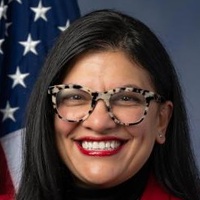
Rashida Tlaib
Representative
MI
Rashida Tlaib
Representative
MI
This resolution expresses the sense of Congress that the United States officially recognizes the State of Israel has committed genocide against the Palestinian people in Gaza. It details extensive evidence supporting this finding, including mass casualties, systematic destruction of infrastructure, and severe humanitarian crisis. Consequently, the bill calls for the immediate halt of all U.S. military and financial assistance to Israel until compliance with international court orders is verified. Furthermore, it demands the U.S. use its leverage to support international investigations and ensure robust funding for humanitarian aid through UNRWA.
This Act ensures uninterrupted funding and operation for the SNAP and WIC programs through fiscal year 2026, even if appropriations for the Department of Agriculture are delayed.
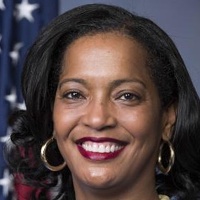
Jahana Hayes
Representative
CT
Jahana Hayes
Representative
CT
The Keep SNAP and WIC Funded Act of 2025 ensures that the Supplemental Nutrition Assistance Program (SNAP) and the Special Supplemental Nutrition Program for Women, Infants, and Children (WIC) continue to operate without interruption in fiscal year 2026 if standard appropriations are delayed. If funding lapses, the Secretary of Agriculture is authorized to use funds from the Treasury to provide benefits and reimburse state agencies. This special funding remains in effect until full appropriations are enacted or until September 30, 2026.
This resolution expresses the sense of the House that a commemorative postage stamp should be issued to honor the historical contributions of the Buffalo Soldiers.
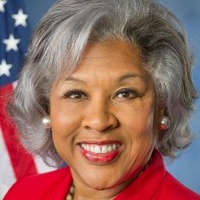
Joyce Beatty
Representative
OH
Joyce Beatty
Representative
OH
This resolution expresses the sense of the House of Representatives that a commemorative postage stamp should be issued to honor the historical contributions of the Buffalo Soldiers. It recognizes their significant service in the U.S. Army following the Civil War and through major conflicts. The bill specifically requests that the Citizens Stamp Advisory Committee recommend this stamp to the Postmaster General.
This resolution honors the service and sacrifice of Texas veterans while recognizing the ongoing challenges they face in accessing care, employment, and support during their transition to civilian life.

Jasmine Crockett
Representative
TX
Jasmine Crockett
Representative
TX
This resolution honors the heroic military service and sacrifices of Texas veterans, who represent the largest veteran population in the nation. It acknowledges the significant challenges they face, such as accessing mental health care and securing employment after service. The document expresses the House's appreciation and commits to ensuring veterans receive timely care and benefits. Ultimately, it reaffirms the commitment to supporting veterans in their successful transition back to civilian life.
This resolution allows a majority of House members to force an end to a designated district work period by submitting letters to the Clerk.
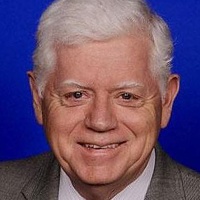
John Larson
Representative
CT
John Larson
Representative
CT
This resolution amends House rules to allow a majority of Representatives to force an end to a designated district work period. If enough members submit letters to the Clerk requesting the end of the recess, the work period must terminate within two days. This measure aims to increase the time the House spends in session by making district work periods more easily interruptible.
This resolution recognizes the heroic military service and ongoing challenges faced by Black veterans in their fight for equality and dignity.
Joyce Beatty
Representative
OH
Joyce Beatty
Representative
OH
This Concurrent Resolution expresses the sense of Congress recognizing the heroic military sacrifices and patriotism of Black veterans throughout U.S. history. It acknowledges the significant challenges they faced both during service and upon returning home. The resolution highlights the vital connection between their military service and the ongoing fight for civil rights. Finally, Congress calls attention to the current disparities in health and benefits disproportionately affecting Black veterans.
This bill prevents the sitting President and their immediate family from filing claims under the Federal Tort Claims Act while in office.
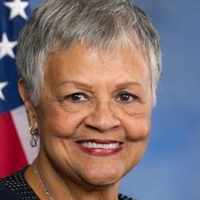
Bonnie Watson Coleman
Representative
NJ
Bonnie Watson Coleman
Representative
NJ
The CORRUPT Act amends the Federal Tort Claims Act to prohibit the sitting President and their immediate relatives from filing claims under that act while in office. This measure specifically prevents the President and covered family members from seeking damages through the Federal Tort Claims Act during their term.
This Act establishes a dedicated hotline to provide eviction assistance information to tenants in federally assisted rental dwelling units.
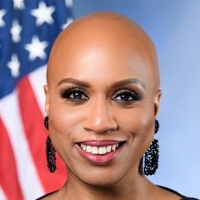
Ayanna Pressley
Representative
MA
Ayanna Pressley
Representative
MA
The Eviction Helpline Act mandates the establishment of a dedicated hotline to provide assistance and information regarding eviction matters. This helpline will specifically serve tenants residing in covered federally assisted rental dwelling units. The Secretary of Housing and Urban Development is responsible for setting up this service within one year of the Act's enactment.
This act, the Save American Democracy Act (SAD Act), prohibits states from redrawing congressional districts between decennial censuses unless mandated by a court or specific state legislation.
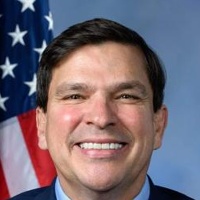
Vicente Gonzalez
Representative
TX
Vicente Gonzalez
Representative
TX
The Save American Democracy Act (SAD Act) asserts Congress's constitutional authority to regulate congressional redistricting. This bill prohibits states from redrawing congressional districts between decennial censuses unless mandated by a court order or specific state legislation. This restriction applies to redistricting efforts following the 2020 census and does not affect state or local elections.
This Act provides appropriations and mandates contract price adjustments to compensate federal contractor employees for losses incurred due to funding lapses or government shutdowns.
Ayanna Pressley
Representative
MA
Ayanna Pressley
Representative
MA
The Fair Pay for Federal Contractors Act of 2025 ensures that employees of federal contractors are compensated for losses incurred due to government funding lapses or shutdowns. It requires federal agencies to adjust existing contracts to cover reasonable costs associated with furloughs, pay cuts, or mandatory leave taken by contractor employees. The bill appropriates necessary funds to cover these contract price adjustments and mandates public reporting on the compensation provided.
The Child Care for Every Community Act establishes a national framework to guarantee universal access to high-quality, regulated early learning programs with mandated national standards and comparable pay for staff.
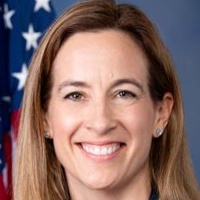
Mikie Sherrill
Representative
NJ
Mikie Sherrill
Representative
NJ
The Child Care for Every Community Act establishes a national framework to guarantee universal access to high-quality, regulated child care and early learning programs for every young child. It mandates federal standards for quality, ensures child care staff receive pay comparable to K-12 employees, and requires local coordination with school systems. Furthermore, the bill protects existing state funding levels and caps family fees based on income.
The Weatherization Resilience and Adaptation Program Act establishes a grant program to help low-income homeowners adapt their properties against climate-driven hazards using new resilience standards.
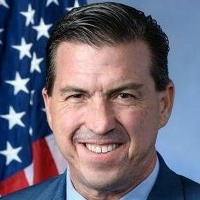
Kevin Mullin
Representative
CA
Kevin Mullin
Representative
CA
The Weatherization Resilience and Adaptation Program Act establishes a grant program to help low-income homeowners and eligible property owners adapt their homes against increasing climate-driven hazards like floods and extreme heat. This program requires the development of new resilience and adaptation standards in consultation with NIST. Funding is authorized to support these critical upgrades, ensuring vulnerable communities can better withstand the impacts of a changing climate.
The Trust Through Transparency Act of 2025 mandates body camera usage for immigration enforcement agents, establishes specific video retention schedules, and requires annual public reporting on compliance and disciplinary actions.
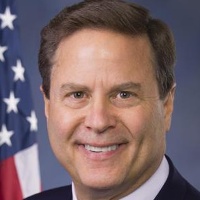
Donald Norcross
Representative
NJ
Donald Norcross
Representative
NJ
The Trust Through Transparency Act of 2025 mandates that federal immigration enforcement agents wear body cameras during public-facing duties. The bill establishes specific rules for retaining video footage, generally requiring deletion after six months unless exceptions like use of force or a filed complaint apply. Furthermore, it requires annual public reporting to Congress on compliance and establishes an advisory panel to recommend best practices for camera usage and data management.
This joint resolution directs the President to remove U.S. Armed Forces from hostilities against certain designated groups and states unless Congress authorizes the use of force, while preserving the right to self-defense.
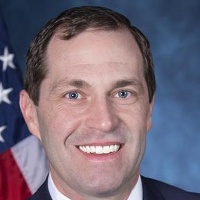
Jason Crow
Representative
CO
Jason Crow
Representative
CO
This joint resolution directs the President to remove U.S. Armed Forces from hostilities initiated after February 20, 2025, against designated terrorist groups or drug trafficking organizations without prior Congressional authorization. It asserts Congress's constitutional power to declare war and finds recent military strikes against vessels lacked proper justification. The bill allows for continued use of forces for self-defense or authorized counternarcotics support, but explicitly states drug trafficking alone does not constitute an armed attack.
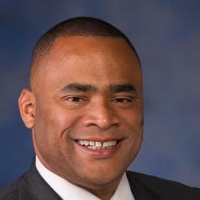
This resolution supports designating September 2025 as "National Voting Rights Month" while urging Congress to pass legislation that expands voting access and restores rights lost due to felony convictions.
Marc Veasey
Representative
TX
Marc Veasey
Representative
TX
This resolution supports designating September 2025 as "National Voting Rights Month" to highlight ongoing threats to fair elections, such as gerrymandering and restrictive voting laws. It urges Congress to pass key legislation like the Freedom to Vote Act and the Democracy Restoration Act. The bill also encourages educational programs about voting history and registration efforts nationwide. Ultimately, it calls for federal action to protect and expand access to the ballot box for all citizens.
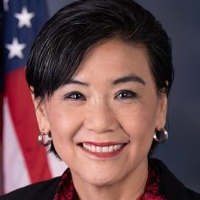
This resolution expresses support for designating a week in September 2025 to recognize the vital contributions of Asian American and Native American Pacific Islander-Serving Institutions in higher education.
Judy Chu
Representative
CA
Judy Chu
Representative
CA
This resolution expresses strong support for recognizing September 22–28, 2025, as "Asian American and Native American Pacific Islander-Serving Institutions Week." It highlights the critical role these institutions play in educating a significant portion of AANAPISI students, many of whom are first-generation and low-income. The bill encourages national acknowledgment and support for the programs and achievements of these vital colleges and universities.
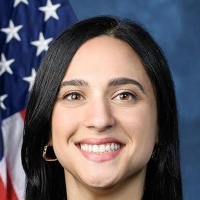
This resolution condemns using federal regulatory power or litigation to suppress lawful political speech critical of a party or the President, warning against authoritarianism.
Yassamin Ansari
Representative
AZ
Yassamin Ansari
Representative
AZ
This resolution strongly condemns attempts to use federal regulatory power or litigation to suppress lawful speech critical of a political party or the President. It reaffirms the fundamental importance of the First Amendment and warns that such actions resemble tactics used by authoritarian regimes. The bill urges government agencies to protect free expression and ensure accountability, not political censorship.
The Safe Step Act mandates that group health plans using medication step therapy establish clear, timely exception processes for patients and doctors when required drugs are medically inappropriate or ineffective.

Rick Allen
Representative
GA
Rick Allen
Representative
GA
The Safe Step Act establishes mandatory, transparent exception processes for health plans that use "step therapy" protocols for prescription drugs. This ensures patients or their doctors can quickly request coverage for a prescribed medication when specific clinical criteria are met, such as previous treatment failure or risk of harm. Plans must decide on standard requests within 72 hours and urgent requests within 24 hours, and approved exceptions must last for at least one year. Furthermore, insurers must report detailed data annually on exception requests, approvals, and denials to the Secretary of Health and Human Services.
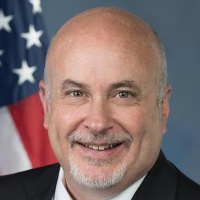
This bill mandates that federally funded higher education institutions update their harassment policies to explicitly cover technology-facilitated harassment and establishes a competitive grant program to fund anti-harassment initiatives.
Mark Pocan
Representative
WI
Mark Pocan
Representative
WI
The Tyler Clementi Higher Education Anti-Harassment Act of 2025 mandates that colleges receiving federal funds update their policies to explicitly prohibit and detail procedures for addressing harassment based on protected characteristics, including technology-facilitated abuse. The bill also establishes a competitive grant program, funded up to $50 million annually, to support campus efforts in harassment prevention, training, and support services. This legislation adds new requirements without superseding existing civil rights protections.
The Redistricting Reform Act of 2025 mandates the use of independent, nonpartisan commissions to draw fair congressional maps based on strict criteria, while establishing federal court oversight and administrative procedures to ensure compliance.
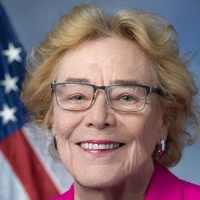
Zoe Lofgren
Representative
CA
Zoe Lofgren
Representative
CA
The Redistricting Reform Act of 2025 fundamentally overhauls congressional map-drawing by mandating the use of independent, non-partisan commissions in every state. This legislation establishes strict, prioritized criteria for map creation, explicitly banning partisan manipulation and requiring maps to prioritize community representation over political advantage. Furthermore, it sets firm deadlines for map enactment and establishes clear federal court procedures to intervene if states fail to adopt a lawful plan. Overall, the bill aims to ensure fairer congressional representation by removing map-drawing authority from state legislatures.