This resolution recognizes the heroic military service and ongoing challenges faced by Black veterans in their fight for equality and dignity.
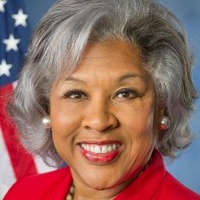
Joyce Beatty
Representative
OH-3
This Concurrent Resolution expresses the sense of Congress recognizing the heroic military sacrifices and patriotism of Black veterans throughout U.S. history. It acknowledges the significant challenges they faced both during service and upon returning home. The resolution highlights the vital connection between their military service and the ongoing fight for civil rights. Finally, Congress calls attention to the current disparities in health and benefits disproportionately affecting Black veterans.
Concurrent Resolution Formally Recognizes Black Veterans' Sacrifices and Calls for VA to End Health Disparities
If you’re like most people, you don’t have time to read every resolution Congress passes. But sometimes, a piece of legislation comes along that, while it doesn't create a new law or program, speaks directly to a massive historical debt and sets a clear moral direction. This Concurrent Resolution does exactly that, focusing on the history and ongoing challenges faced by Black veterans.
The Historical Record: Service and Sacrifice
This resolution is essentially Congress putting its findings on the record, acknowledging that Black Americans have served in every conflict since the Revolutionary War. It’s a formal recognition of the incredible patriotism and sacrifice of figures like the Harlem Hell-fighters (369th Infantry) in World War I and the Tuskegee Airmen in World War II. The text doesn't shy away from the hard truth, either: it highlights that this service often came with severe discrimination. For instance, it notes the irony of Black soldiers fighting for freedom abroad, only to return home and be denied basic rights, citing the case of Jackie Robinson being court-martialed for refusing to sit in the back of a bus while serving in the Army.
The Double Victory: Military Service and Civil Rights
For busy people trying to understand the connection between historical policy and today's landscape, this section is key. The resolution formally links military service to the fight for civil rights. It points out that the fathers of plaintiffs in landmark desegregation cases like Brown v. Board of Education were World War II veterans. This underscores a crucial point: these veterans weren't just fighting foreign enemies; they were fighting for the dignity of their people back home. Their military service provided both the moral authority and the organizational experience that fueled the Civil Rights Movement, paving the way for changes that impact everything from where we work to where our kids go to school.
The Call to Action: Addressing Current Disparities
While this is a non-binding resolution—meaning it doesn't cut a check or mandate a new law—it concludes with a powerful, forward-looking statement. The resolution recognizes that Black veterans today disproportionately suffer from chronic illnesses, homelessness, and overall health and benefit disparities. This is the real-world consequence of historical and ongoing systemic issues. The resolution explicitly calls for the Department of Veterans Affairs (VA) to work to eliminate these health and benefit disparities for minority veterans in the United States. For a Black veteran dealing with a complex disability claim or struggling to access quality healthcare, this resolution provides an official recognition of their struggle and sets a clear expectation for the VA to prioritize equity and fairness in its service delivery. It’s a formal acknowledgment that the debt owed to these heroes is not fully paid until the playing field is truly level.