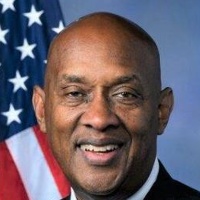
Legislative Activity
Track Dwight's sponsored bills, co-sponsored legislation, and voting record
This act repeals specific sections of a prior reconciliation act to restore previous laws affecting American families and farmers.
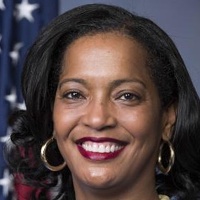
Jahana Hayes
Representative
CT
Jahana Hayes
Representative
CT
The Restoring Food Security for American Families and Farmers Act of 2025 aims to strengthen domestic food security by repealing specific sections of a prior reconciliation act. This action effectively revives the original laws that were previously amended by the repealed provisions. The bill seeks to revert existing agricultural and food-related statutes to their pre-amendment status.
This bill amends the Revised Statutes to redefine the scope of civil actions that can be brought against individuals acting under the authority of the United States.

Henry Johnson
Representative
GA
Henry Johnson
Representative
GA
The Bivens Act of 2025 amends existing law to redefine the scope of civil actions that can be brought against individuals acting under federal authority. This legislation specifically revises Section 1979 of the Revised Statutes concerning such lawsuits. The core change narrows the focus of these civil actions to exclusively target persons acting under the authority of the United States.
This bill mandates that a percentage of federal cancer research funds, based on the proportion of the US population under 18, must be dedicated to pediatric cancer research starting in fiscal year 2026.
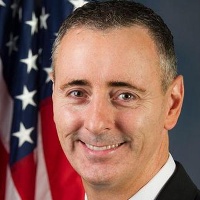
Brian Fitzpatrick
Representative
PA
Brian Fitzpatrick
Representative
PA
The Fairness to Kids with Cancer Act of 2025 mandates that a specific, population-based percentage of total Federal cancer research funds must be dedicated to pediatric cancer research each fiscal year starting in 2026. This required percentage will be calculated annually based on the ratio of the U.S. population under age 18 to the total U.S. population. This ensures federal research funding reflects the proportion of children affected by cancer.
This resolution expresses support for National Caregiving Youth Week and calls for national research to recognize and address the challenges faced by youth caregivers under 18.
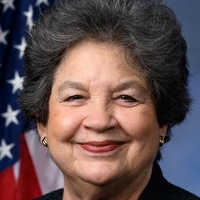
Lois Frankel
Representative
FL
Lois Frankel
Representative
FL
This resolution expresses support for designating a week in November 2025 as "National Caregiving Youth Week" to recognize children under 18 who care for family members. It highlights the significant challenges these youth face balancing caregiving with their own well-being and education. The bill also calls for urgent national research to better understand and support this underserved population.
This bill affirms existing VA collective bargaining agreements and nullifies specific Executive Orders related to Federal labor-management relations within the Department of Veterans Affairs.
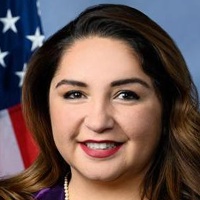
Delia Ramirez
Representative
IL
Delia Ramirez
Representative
IL
The VA Care and Benefits Accountability Act ensures that existing collective bargaining agreements within the Department of Veterans Affairs remain in effect until their specified end dates. Furthermore, this bill nullifies Executive Orders 14251 and 14343, preventing their enforcement or implementation within the VA. This action solidifies current labor agreements for VA employees.
This act mandates that all states allow eligible individuals to register and vote on the same day during federal elections, beginning in November 2026.
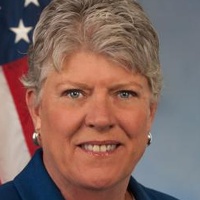
Julia Brownley
Representative
CA
Julia Brownley
Representative
CA
The Same Day Registration Act of 2025 mandates that all states allow eligible individuals to register to vote and cast a ballot on the same day during any federal election, including early voting periods. This requirement applies starting with the November 2026 general election. States without any voter registration requirement for federal elections are exempt from this mandate.
This resolution expresses support for designating November 8, 2025, as "National First-Generation College Celebration Day" to honor the anniversary of the Higher Education Act of 1965 and recognize the contributions of first-generation students.
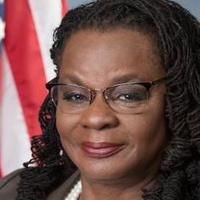
Gwen Moore
Representative
WI
Gwen Moore
Representative
WI
This resolution expresses support for designating November 8, 2025, as "National First-Generation College Celebration Day." It commemorates the anniversary of the landmark Higher Education Act of 1965, which created vital support programs like the Pell Grant. The bill recognizes the unique challenges faced by first-generation students and urges the nation to celebrate their contributions to the future workforce.
This resolution commemorates October 2025 as Head Start Awareness Month, recognizing the program's six-decade history of positively impacting over 40 million children and their families through comprehensive support services.
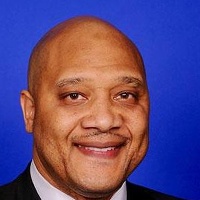
André Carson
Representative
IN
André Carson
Representative
IN
This joint resolution commemorates October 2025 as Head Start Awareness Month to recognize the program's enduring positive impact. It honors Head Start's 60-year legacy of preparing over 40 million children and their families for success through comprehensive health, nutrition, and educational support. The resolution highlights the program's role in promoting long-term academic achievement and empowering parents.
This resolution supports the goals of National Domestic Violence Awareness Month, highlights the pervasive and devastating impact of intimate partner violence across all demographics, and calls for increased funding for prevention and support programs.

Al Green
Representative
TX
Al Green
Representative
TX
This resolution designates October as National Domestic Violence Awareness Month to highlight the widespread and devastating impact of intimate partner violence across all demographics. It recognizes the urgent need to eliminate domestic violence and supports increased funding for intervention and prevention programs. The resolution underscores the severe physical, emotional, and economic toll this abuse takes on individuals, families, and communities.
This bill establishes a pilot grant program to fund schools offering 100% plant-based meal options and creates a separate pilot program to help cover the costs of providing nondairy beverage substitutes for students with written requests for dietary accommodations.
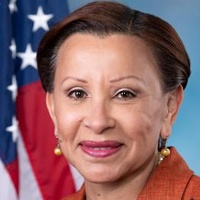
Nydia Velázquez
Representative
NY
Nydia Velázquez
Representative
NY
The Plant-Powered School Meals Pilot Act establishes a three-year grant program to help school food authorities offer 100% plant-based meal options, prioritizing culturally appropriate and educational components. Additionally, the bill clarifies and expands requirements for schools to substitute fluid milk with nutritionally equivalent nondairy beverages to accommodate medical, religious, or personal dietary needs. A separate pilot program is also created to help cover the costs associated with providing these nondairy substitutes based on written requests.
The GRAD Act ensures students maintain their enrollment status during a government shutdown, even if it disrupts their Title IV federal student financial aid.
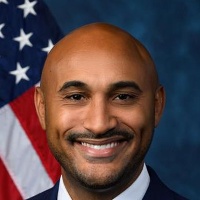
Shomari Figures
Representative
AL
Shomari Figures
Representative
AL
The GRAD Act ensures that students maintain their current enrollment status during a government shutdown, even if federal student aid is temporarily disrupted. This legislation prevents educational institutions from penalizing students by changing their enrollment status due to funding lapses. Essentially, it protects students from negative academic consequences caused by federal funding interruptions.
This bill extends and modifies various tax credits for energy production, efficiency improvements, and clean vehicle adoption to lower energy costs and support American energy leadership.
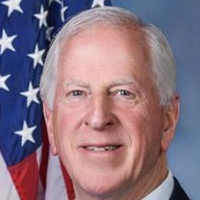
Mike Thompson
Representative
CA
Mike Thompson
Representative
CA
The American Energy Independence and Affordability Act is a comprehensive bill designed to lower energy costs by extending and adjusting key tax incentives across energy production, efficiency, and clean vehicle adoption. It stabilizes support for renewable energy manufacturing, extends deadlines for energy-efficient building credits, and ensures consumer incentives for electric vehicles remain available through 2032. Overall, the legislation aims to provide long-term certainty for energy investments and consumer adoption of cleaner technologies.
This resolution expresses support for recognizing October 26, 2025, as Intersex Awareness Day and advocates for the bodily autonomy and human rights of intersex individuals, particularly by opposing nonconsensual early medical interventions.
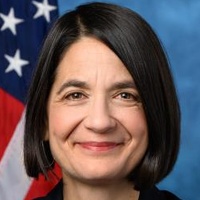
Becca Balint
Representative
VT
Becca Balint
Representative
VT
This resolution expresses the House's support for recognizing October 26th as Intersex Awareness Day and affirms the goals of the observance. It highlights the reality of natural variations in sex characteristics and strongly condemns nonconsensual, irreversible medical procedures performed on intersex infants and children. The bill encourages federal, state, and local entities to promote awareness, ensure culturally sensitive healthcare, and prioritize the bodily autonomy and human rights of intersex individuals.
This resolution formally honors the extraordinary life, groundbreaking scientific contributions, and enduring global legacy of Dr. Jane Goodall.

Mike Quigley
Representative
IL
Mike Quigley
Representative
IL
This resolution formally honors the extraordinary life, leadership, and enduring legacy of Dr. Jane Goodall. It celebrates her groundbreaking scientific contributions to primatology and her tireless global advocacy for wildlife conservation and environmental education. The bill recognizes her founding of the Roots and Shoots program and extends sympathy to her family and colleagues.
This bill halts penalties, interest accrual, and negative credit reporting on federal employee student loans during periods of involuntary pay disruption, such as government shutdowns.

Jasmine Crockett
Representative
TX
Jasmine Crockett
Representative
TX
The Halting Education Loan Payments during Federal Employment Disruptions Act (HELP FEDs Act) provides immediate relief for federal employees experiencing involuntary pay disruptions, such as government shutdowns. This bill halts interest accrual and prevents penalties or negative credit reporting on qualified federal student loans during these periods of missed pay. The protections apply retroactively to disruptions occurring on or after October 1, 2025, but the Act does not forgive any underlying loan debt.
This act permanently establishes the structure and staffing of the Office of Head Start to ensure continued comprehensive support for eligible children and families.
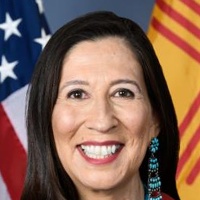
Teresa Leger Fernandez
Representative
NM
Teresa Leger Fernandez
Representative
NM
The Every Child Deserves a Head Start Act of 2025 aims to solidify the foundational support for the Head Start program, recognizing its vital role in early childhood development. This bill permanently establishes the structure and staffing levels of the Office of Head Start, including its 12 regional offices, as they existed before January 20, 2025. The legislation strictly limits the Secretary of Health and Human Services from altering this established structure or reducing staff without specific Congressional notification procedures. Ultimately, the Act ensures the consistent delivery of essential educational and support services to eligible children and families nationwide.
This act ensures that state and local funds used to keep Head Start and Early Head Start programs running during a federal government shutdown are fully reimbursed.
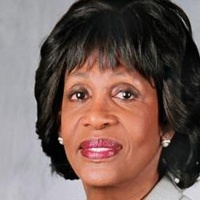
Maxine Waters
Representative
CA
Maxine Waters
Representative
CA
The Head Start Shutdown Protection Act of 2025 ensures that states, local governments, or school districts are reimbursed for any of their own funds used to keep Head Start and Early Head Start programs operational during a lapse in federal appropriations. This legislation protects these vital early childhood education services from disruption caused by government shutdowns. By guaranteeing reimbursement, the Act encourages local entities to maintain program continuity without bearing the financial burden.
This resolution expresses the House of Representatives' support for designating the second Monday in October 2025 as "Indigenous Peoples' Day" to honor the history, culture, and contributions of Indigenous Peoples.
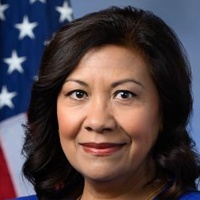
Norma Torres
Representative
CA
Norma Torres
Representative
CA
This resolution expresses the strong support of the House of Representatives for designating the second Monday in October 2025 as "Indigenous Peoples' Day." It aims to formally recognize and honor the history, culture, and enduring contributions of Indigenous Peoples in the United States. The measure encourages public observance and supports the eventual establishment of this day as an official Federal holiday.
The FAST Justice Act allows federal employees or job applicants to file a civil lawsuit in district court if the Merit Systems Protection Board (MSPB) fails to decide their appeal within 120 days.
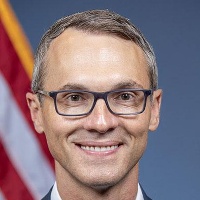
James Walkinshaw
Representative
VA
James Walkinshaw
Representative
VA
The Fair Access to Swift and Timely Justice Act, or FAST Justice Act, allows federal employees or job applicants to file a civil lawsuit in federal district court if the Merit Systems Protection Board (MSPB) fails to issue a decision on their appeal within 120 days. This provision provides an alternative remedy when the MSPB's review process causes undue delay. Filing a lawsuit pauses the MSPB appeal, but the original appeal rights remain intact if the lawsuit is dismissed.
This resolution expresses deep concern over the surge in book banning and threats to free expression, urging the immediate restoration of removed materials in federal schools and the repeal of restrictive directives.
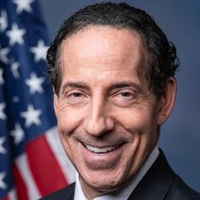
Jamie Raskin
Representative
MD
Jamie Raskin
Representative
MD
This resolution expresses deep concern over the growing trend of book banning and threats to freedom of expression in U.S. schools and libraries. It asserts that such censorship undermines democratic values and harms students by restricting access to diverse ideas and histories. The bill urges local entities to follow best practices for book challenges and calls for the immediate reinstatement of books removed from Department of Defense schools. Ultimately, it reaffirms the nation's commitment to First Amendment rights and the freedom to read.