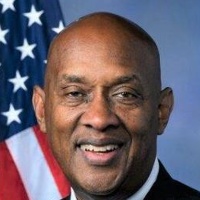
Legislative Activity
Track Dwight's sponsored bills, co-sponsored legislation, and voting record
This bill impeaches Secretary of Homeland Security Kristi Lynn Arnold Noem for high crimes and misdemeanors, citing willful refusal to comply with oversight law, violating the Impoundment Control Act, directing unlawful ICE misconduct, and misusing federal funds for personal gain.
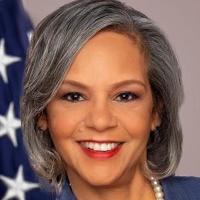
Robin Kelly
Representative
IL
Robin Kelly
Representative
IL
This resolution initiates impeachment proceedings against Secretary of Homeland Security Kristi Lynn Arnold Noem for high crimes and misdemeanors. The articles of impeachment charge her with willfully refusing to comply with Congressional oversight laws and violating the Impoundment Control Act by improperly withholding funds. Further articles allege she directed widespread misconduct by ICE agents that violated federal law and constitutional rights, and misused taxpayer funds for personal gain through improper contracting.
This Act establishes federal minimum salary and wage floors for school paraprofessionals and support staff, providing federal funding to help states meet these new pay standards within four years.
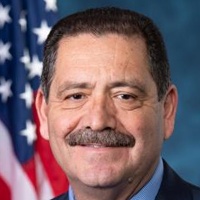
Jesús García
Representative
IL
Jesús García
Representative
IL
The Pay Paraprofessionals and Support Staff Act establishes minimum federal salary and wage floors for school support staff, requiring states to implement higher state-level standards. It authorizes significant federal funding through grants to help states and local districts meet these new pay requirements within four years. States must prioritize funding distribution to districts serving high numbers of low-income students to ensure compliance with the mandated pay increases.
This bill modifies deposits into the Crime Victims Fund by excluding certain False Claims Act recoveries and mandates an Inspector General audit of the Fund's sustainability.
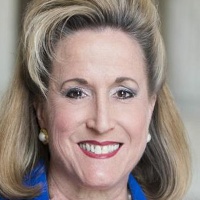
Ann Wagner
Representative
MO
Ann Wagner
Representative
MO
This bill amends the Victims of Crime Act of 1984 to temporarily exclude certain False Claims Act recoveries from being deposited into the Crime Victims Fund through fiscal year 2029. It also mandates a comprehensive audit by the Department of Justice Inspector General on the Fund's sustainability and the impact of recent legislative changes. The resulting report will provide recommendations for improving the Fund's effectiveness and oversight.
This resolution recognizes the 15th anniversary of the 2011 Tucson shooting, honoring the victims, survivors, and the ongoing advocacy of Gabby Giffords.
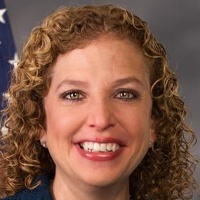
Debbie Wasserman Schultz
Representative
FL
Debbie Wasserman Schultz
Representative
FL
This resolution commemorates the 15th anniversary of the tragic January 8, 2011, Tucson shooting, honoring the six lives lost and the thirteen injured. It specifically commends the courage and ongoing advocacy of gun violence survivor and former Congresswoman Gabby Giffords. The resolution also recognizes the resilience of the community and reaffirms a commitment to ending political violence.
This resolution declares the renaming of the Kennedy Center to include Donald J. Trump a violation of federal law and mandates the restoration of its original name.
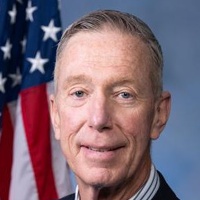
Stephen Lynch
Representative
MA
Stephen Lynch
Representative
MA
This resolution expresses the sense of the House that renaming the John F. Kennedy Center for the Performing Arts to include the name "Donald J. Trump" violates federal law. It declares the unauthorized redesignation null and void and requires the Board of Trustees to immediately restore the original name. Furthermore, the bill calls for the resignation of any trustees appointed by President Trump.
This act voids the recent renaming of the Kennedy Center and restricts the Board of Trustees from ever renaming the center again.
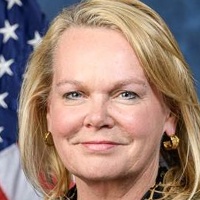
April McClain Delaney
Representative
MD
April McClain Delaney
Representative
MD
The Kennedy Center Protection Act voids the Board of Trustees' 2025 vote to rename the performing arts center. This legislation mandates the immediate removal of any signage reflecting the altered name and restores the official title to the "John F. Kennedy Center for the Performing Arts." Furthermore, it explicitly prohibits the Board from ever taking action to rename the center in the future.
This act prohibits naming or renaming any federal property after a currently serving President.
April McClain Delaney
Representative
MD
April McClain Delaney
Representative
MD
The Federal Property Integrity Act prohibits naming any federal building, land, or asset after a President currently serving in office. This new rule establishes a clear standard for naming federal property, ensuring such designations are not made while a President is actively serving.
This bill expresses support for designating a week in September as "National Hispanic-Serving Institutions Week" to recognize their achievements and goals.
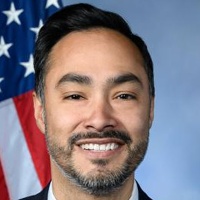
Joaquin Castro
Representative
TX
Joaquin Castro
Representative
TX
This bill officially designates the week of September 15 through September 21, 2024, as "National Hispanic-Serving Institutions Week." It recognizes the significant achievements and goals of these vital institutions across the nation. The resolution encourages public observance with appropriate activities to demonstrate support for Hispanic-Serving Institutions during Hispanic Heritage Month.
The American Affordability Act of 2025 is a comprehensive bill designed to lower costs for families through expanded housing assistance, clean energy tax credits, monthly child payments, education relief, and enhanced healthcare subsidies.
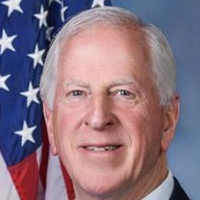
Mike Thompson
Representative
CA
Mike Thompson
Representative
CA
The American Affordability Act of 2025 is a comprehensive bill designed to lower costs across five key areas: housing, energy, family care, education, and healthcare. It achieves this by expanding tax credits for housing construction and homebuyers, extending incentives for clean energy manufacturing and consumer adoption, replacing the Child Tax Credit with larger monthly payments, making higher education expenses more affordable, and permanently expanding subsidies to lower health insurance premiums for millions. Overall, the legislation aims to provide direct financial relief and increase access to essential services for American families and workers.
The Part-Time Worker Bill of Rights Act expands FMLA eligibility to part-time employees and establishes protections against scheduling discrimination, ensuring fair access to benefits and work hours.
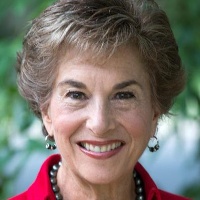
Janice Schakowsky
Representative
IL
Janice Schakowsky
Representative
IL
The Part-Time Worker Bill of Rights Act aims to strengthen protections and expand benefits for part-time and temporary employees. The legislation eliminates restrictive hours-of-service requirements for FMLA leave and prohibits discrimination based on hours worked regarding pay, benefits, and promotion opportunities. Additionally, it mandates that employers offer available work hours to existing staff before hiring new employees or contractors.
The Schedules That Work Act establishes rights for employees to request flexible schedules, mandates advance notice and predictability pay for schedule changes in covered sectors, and grants employees rest time between shifts.

Rosa DeLauro
Representative
CT
Rosa DeLauro
Representative
CT
The Schedules That Work Act aims to provide workers with greater stability and predictability in their work hours. It grants employees the right to request flexible or stable schedules and requires employers to engage in a good-faith discussion about these requests. For covered sector employees (like retail and food service), the bill mandates 14 days' advance notice of schedules and establishes "predictability pay" for last-minute changes or split shifts. The Act also grants employees the right to 11 hours of rest between shifts, with premium pay required if this rest period is violated.
The Fair Competition for Small Business Act of 2025 empowers state attorneys general to sue on behalf of residents for damages resulting from antitrust violations under the Sherman Act.
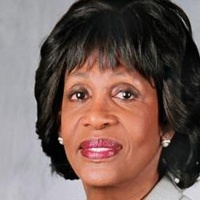
Maxine Waters
Representative
CA
Maxine Waters
Representative
CA
The Fair Competition for Small Business Act of 2025 empowers state attorneys general to file lawsuits on behalf of their residents against companies violating federal antitrust laws. This legislation strengthens consumer protections by allowing states to seek damages for anti-competitive practices under the Sherman Act.
This bill establishes a Diversity and Inclusion Administrator, requires apprenticeship programs to submit plans to increase African American participation, and authorizes grants to expand diversity in registered apprenticeship programs.
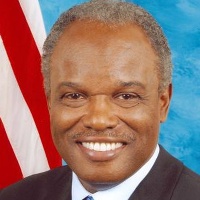
David Scott
Representative
GA
David Scott
Representative
GA
This Act addresses the significant unemployment disparities faced by young African Americans by strengthening pathways into registered apprenticeship programs. It establishes a Diversity and Inclusion Administrator within the Department of Labor to promote greater participation from underrepresented groups. Furthermore, the bill authorizes a competitive grant program to help entities create or expand apprenticeships, requiring applicants to submit plans specifically aimed at increasing African American enrollment.
This act nullifies a recent Executive Order regarding federal labor relations and ensures existing collective bargaining agreements remain in effect.
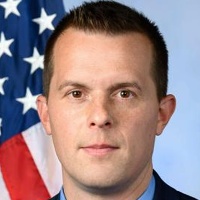
Jared Golden
Representative
ME
Jared Golden
Representative
ME
The Protect America's Workforce Act nullifies a specific Executive Order issued in March 2025 concerning exclusions from federal labor-management relations programs. This legislation ensures that any existing collective bargaining agreements between federal agencies and employee unions remain fully in effect until their stated expiration dates. The Act also prohibits the use of federal funds to implement the overturned Executive Order.
The REPAIR Infrastructure Act reauthorizes and amends a federal program with $3 billion annually through 2031 to fund projects focused on restoring community access and improving resilient infrastructure, while prohibiting highway lane expansion.
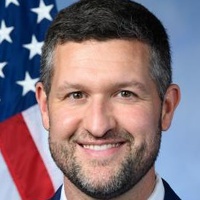
Patrick Ryan
Representative
NY
Patrick Ryan
Representative
NY
The REPAIR Infrastructure Act reauthorizes and amends an existing program to establish the Restoring Essential Public Access and Improving Resilient Infrastructure (REPAIR) program, funding it with $3 billion annually from 2027 through 2031. This legislation adds new criteria focused on community access, economic mobility, and redressing historical barriers when selecting projects, while explicitly prohibiting the use of funds to increase highway travel lanes. Furthermore, it expands eligibility for REPAIR-funded projects across several other major federal surface transportation grant programs.
This Act establishes a federal right for individuals significantly exposed to PFAS to sue responsible parties and receive medical monitoring to detect related diseases.
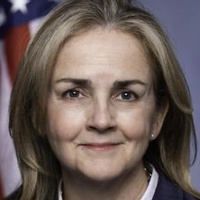
Madeleine Dean
Representative
PA
Madeleine Dean
Representative
PA
The PFAS Accountability Act of 2025 establishes a federal legal right for individuals significantly exposed to PFAS to sue responsible parties. This Act creates a cause of action for harm caused by exposure and shifts the cost of necessary medical monitoring to the manufacturers. Furthermore, it encourages industry-funded research into the safety of these persistent chemicals.
The Keeping All Students Safe Act strictly prohibits dangerous restraint and seclusion in federally funded schools while mandating comprehensive state reporting, staff training, and parental notification for any permissible physical restraint.
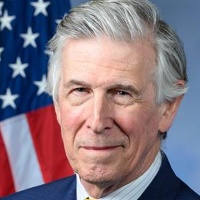
Donald Beyer
Representative
VA
Donald Beyer
Representative
VA
The Keeping All Students Safe Act strictly prohibits dangerous restraint and seclusion practices in federally funded schools, establishing national safety standards and requiring immediate parental notification after any restraint incident. It mandates that states create detailed plans, publicly report incident data broken down by student demographics, and utilize federal grants to fund training and prevention strategies. The bill creates a private right of action for families harmed by violations and ensures oversight across various federal school systems.
This act prohibits federal law enforcement from executing no-knock warrants and bars state and local agencies receiving DOJ funds from using them.
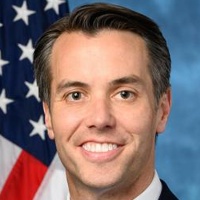
Morgan McGarvey
Representative
KY
Morgan McGarvey
Representative
KY
The Justice for Breonna Taylor Act aims to prohibit the use of no-knock warrants by federal law enforcement officers, requiring them to announce their presence before entry. Furthermore, it conditions federal funding for state and local law enforcement agencies on their compliance with the same no-knock warrant prohibition. This legislation seeks to increase accountability and safety during warrant executions.
This act increases the annual and aggregate loan limits for Federal Direct Unsubsidized Stafford Loans for graduate and professional students, effective July 1, 2026.
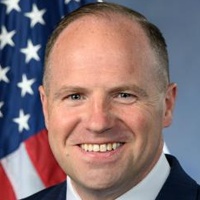
Timothy Kennedy
Representative
NY
Timothy Kennedy
Representative
NY
The Loan Equity for Advanced Professionals Act raises the federal student loan limits for graduate and professional students. Effective July 1, 2026, the annual borrowing limit for Federal Direct Unsubsidized Stafford Loans will increase to \$50,000, and the aggregate limit will rise to \$200,000. This aims to provide greater financial support for advanced degree candidates.
This bill significantly increases civil penalties across various federal labor laws, strengthens enforcement for health plan compliance, establishes penalties for employer unfair labor practices, and treats certain recordkeeping failures as continuing violations.
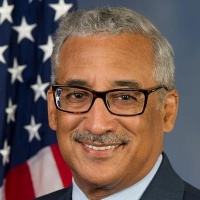
Robert Scott
Representative
VA
Robert Scott
Representative
VA
The Labor Enforcement to Securely Protect Workers (LETS Protect Workers) Act significantly increases civil penalties for violations across major federal labor laws, including child labor, wage and hour, and workplace safety standards. It strengthens enforcement mechanisms for mine safety violations and retaliation against miners, while also establishing new penalties for employer unfair labor practices under the National Labor Relations Act. Furthermore, the bill enhances enforcement for health plan parity and makes certain recordkeeping failures under OSHA and FLSA continuing violations.