Legislative Activity
Track Dwight's sponsored bills, co-sponsored legislation, and voting record
The Oversight Access Act prohibits the Department of Homeland Security from restricting or impeding congressional oversight visits to immigration detention facilities.
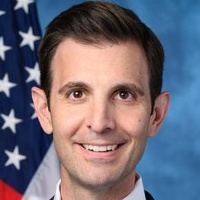
Chris Deluzio
Representative
PA
Chris Deluzio
Representative
PA
The Oversight Access Act ensures that Members of Congress maintain unrestricted access to immigration detention facilities for the purpose of conducting official oversight. The bill prohibits the Department of Homeland Security from requiring prior notice for visits or altering facility conditions to influence oversight findings. Additionally, it mandates that the Inspector General report any material non-compliance to the relevant congressional committees.
This bill prohibits the Treasury Secretary from entering into or recognizing agreements that influence the federal tax matters of the President, their family, or related persons while in office, while mandating public disclosure of any such attempts.
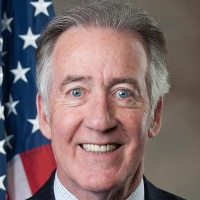
Richard Neal
Representative
MA
Richard Neal
Representative
MA
The Presidential Tax Accountability and Audit Integrity Act prohibits the Secretary of the Treasury from entering into or recognizing any agreements that attempt to influence or settle federal tax matters for the President, their family, or related business entities while in office. The bill mandates public reporting of any such attempts and grants the IRS extended authority to assess taxes for these individuals. These measures ensure transparency and prevent the use of executive power to bypass standard tax enforcement procedures.
The Protect American Values Act prohibits the use of federal funds to implement or enforce the Department of Homeland Security’s "Public Charge Ground of Inadmissibility" rule.
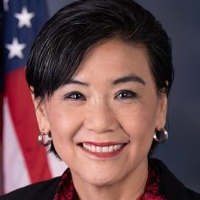
Judy Chu
Representative
CA
Judy Chu
Representative
CA
The Protect American Values Act seeks to block the implementation and enforcement of the Department of Homeland Security’s "Public Charge Ground of Inadmissibility" rule. The bill asserts that this policy harms immigrant families and local economies by restricting access to essential food, housing, and medical care. Consequently, it prohibits the use of federal funds to carry out or administer the rule.
The "No TSA Data for ICE Act" prohibits the Department of Homeland Security from sharing TSA passenger data with immigration enforcement agencies and protects Trusted Traveler program participants from retaliation for exercising their First Amendment rights.
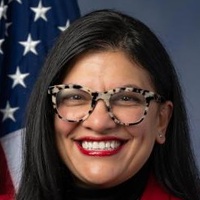
Rashida Tlaib
Representative
MI
Rashida Tlaib
Representative
MI
The "No TSA Data for ICE Act" prohibits the Department of Homeland Security from sharing sensitive passenger data from the TSA or private brokers with immigration enforcement agencies. Additionally, the bill protects participants in Trusted Traveler programs by preventing the government from suspending or denying enrollment based on an individual's participation in First Amendment-protected activities.
This resolution expresses support for designating July as "Disability Pride Month" to promote awareness, celebrate the disability community, and combat discrimination.
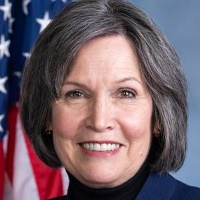
Betty McCollum
Representative
MN
Betty McCollum
Representative
MN
This resolution supports the designation of July as "Disability Pride Month." It encourages communities across the United States to observe the month with celebrations while actively working to end discrimination and exclusion against people with disabilities.
The Transportation for Reentry Act mandates that federally funded transit agencies provide one year of free public transportation to individuals recently released from prison to support their successful reintegration into the community.
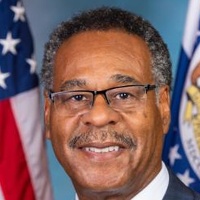
Emanuel Cleaver
Representative
MO
Emanuel Cleaver
Representative
MO
The Transportation for Reentry Act requires federally funded transit agencies to provide one year of free public transportation to individuals recently released from prison. By removing barriers to reliable travel, this program aims to support successful community reintegration, improve access to essential services, and reduce recidivism rates. The bill provides federal funding and administrative support to help transit agencies implement and manage these reentry services.
The Right to IVF Act of 2026 establishes a nationwide right to fertility care, mandates comprehensive insurance coverage for reproductive services, and expands access to fertility treatments for veterans and federal employees.
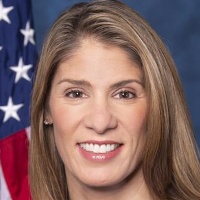
Lori Trahan
Representative
MA
Lori Trahan
Representative
MA
The Right to IVF Act of 2026 establishes a nationwide statutory right to access assisted reproductive technology (ART) and intrauterine insemination (IUI) while prohibiting states from imposing restrictive barriers. The bill further expands family-building support by mandating comprehensive fertility coverage across private insurance, Medicare, Medicaid, and federal employee health plans. Additionally, it guarantees expanded access to fertility services and preservation for military service members and veterans.
This bill prohibits domestic business entities with significant foreign ownership or influence from contributing to U.S. elections and mandates strict certification requirements to ensure political spending is free from foreign control.
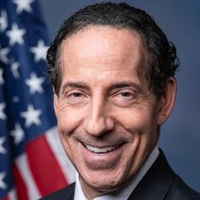
Jamie Raskin
Representative
MD
Jamie Raskin
Representative
MD
The Get Foreign Money Out of United States Elections Act strengthens existing laws to prevent foreign influence in American elections. It expands the ban on foreign contributions to include domestic companies with significant foreign ownership or control and mandates strict certification requirements for corporate political action committees. These measures ensure that foreign entities cannot influence federal, state, or local elections through direct spending, ballot initiatives, or Super PACs.
The Daycare Not Detentions Act of 2026 reallocates $70 billion from federal immigration enforcement agencies to expand funding for child care, Head Start, and early education programs through 2029.
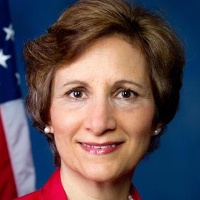
Suzanne Bonamici
Representative
OR
Suzanne Bonamici
Representative
OR
The Daycare Not Detentions Act of 2026 provides $70 billion in supplemental funding to expand and support child care, Head Start, and early education programs through 2029. This legislation offsets the cost by rescinding an equal amount of unobligated funding previously allocated to U.S. Customs and Border Protection and Immigration and Customs Enforcement.
The Right to Learn Act of 2026 establishes a federal grant program to provide schools and community organizations with the resources necessary to support students and staff impacted by immigration enforcement actions while protecting their privacy and right to education.
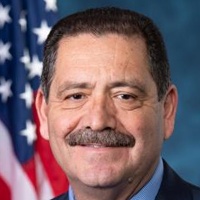
Jesús García
Representative
IL
Jesús García
Representative
IL
The Right to Learn Act of 2026 establishes a federal grant program to support schools and community organizations in providing trauma-informed care and resources to students and families impacted by immigration enforcement. The Act aims to ensure that all children, regardless of immigration status, have access to a safe, stable, and inclusive learning environment. Additionally, it mandates strict privacy protections for student information and prohibits discrimination based on immigration status.
This bill mandates the Federal Energy Regulatory Commission to hold a technical conference and report on strategies to shield residential and small commercial utility customers from rising energy costs driven by large AI data centers.
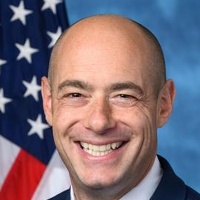
Greg Landsman
Representative
OH
Greg Landsman
Representative
OH
This bill, the Protecting Families from AI Data Center Energy Costs Act, directs the Federal Energy Regulatory Commission (FERC) to convene a technical conference on strategies to shield residential and small commercial utility customers from rising energy costs driven by large loads like AI data centers. Following the conference, FERC must submit a report to Congress detailing recommendations and best practices. The goal is to ensure utility costs remain manageable for everyday families and small businesses.
This resolution recognizes July 21, 2026, as Black Women’s Equal Pay Day to raise awareness of the persistent wage gap and reaffirm the commitment to achieving pay equity.
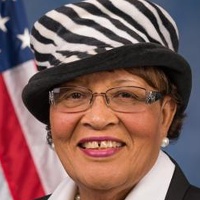
Alma Adams
Representative
NC
Alma Adams
Representative
NC
This resolution recognizes July 21, 2026, as Black Women’s Equal Pay Day to highlight the persistent and significant wage gap between Black women and white, non-Hispanic men. It calls attention to the systemic racial and gender-based barriers contributing to this disparity and reaffirms a commitment to achieving true pay equity.
The Child Marriage Prevention Act of 2026 establishes a federal commission, provides state incentives, and reforms immigration policies to eliminate child marriage and protect minors from its associated health, safety, and economic risks.
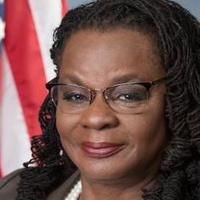
Gwen Moore
Representative
WI
Gwen Moore
Representative
WI
The Child Marriage Prevention Act of 2026 aims to eliminate child marriage across the United States by establishing a national commission, incentivizing states to set the minimum marriage age at 18, and implementing stricter federal and immigration standards. The bill addresses the severe health, safety, and economic risks associated with child marriage by providing resources for state task forces and creating a model statute for uniform legal protections. Additionally, it mandates comprehensive reporting and public education campaigns to protect minors from forced or coerced unions.
This bill mandates electronic prior authorization, increases transparency through required data reporting, and establishes faster decision timelines for Medicare Advantage plans to improve timely access to care for seniors.
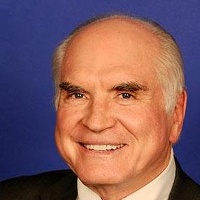
Mike Kelly
Representative
PA
Mike Kelly
Representative
PA
The Improving Seniors’ Timely Access to Care Act of 2025 aims to streamline and modernize the prior authorization process within Medicare Advantage plans. This bill mandates the adoption of electronic prior authorization systems and significantly increases transparency regarding approval rates and decision times starting in 2027. Furthermore, it establishes new enrollee protections and grants the Secretary authority to enforce faster decision timeframes for medical services.
The Drug Deal Disclosure Act mandates the creation of a public, searchable database detailing federal agreements with drug manufacturers regarding pricing, special treatment, and import provisions.
Judy Chu
Representative
CA
Judy Chu
Representative
CA
The Drug Deal Disclosure Act requires the Secretary of Health and Human Services to create a public, searchable database of federal agreements with drug manufacturers regarding pricing and special treatment provisions. The bill mandates transparency for these agreements, prohibiting redactions based on political sensitivity or reputational harm. Additionally, it requires the CBO and GAO to conduct a joint analysis on the economic and budgetary impacts of these agreements on the U.S. healthcare system.
The High Court Gift Ban Act prohibits federal judicial officers from accepting gifts exceeding $50 per instance or $100 annually from a single source, with specific exceptions and enforcement penalties.
Jamie Raskin
Representative
MD
Jamie Raskin
Representative
MD
The High Court Gift Ban Act establishes strict limits on gifts accepted by federal judicial officers, prohibiting any gift valued over $50 or exceeding $100 in total annual value from a single source. The bill includes specific exemptions for personal hospitality, professional events, and family gifts, while mandating enforcement through the Judicial Conference and potential civil or criminal penalties for violations.
This resolution designates July 10th as Journeyman Lineworkers Recognition Day to honor the essential service and sacrifices of the professionals who maintain our nation’s power grid.
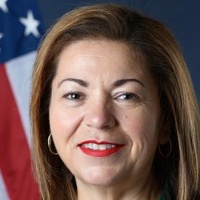
Linda Sánchez
Representative
CA
Linda Sánchez
Representative
CA
This resolution designates July 10th as Journeyman Lineworkers Recognition Day to honor the essential, high-risk work performed by these skilled professionals. It pays tribute to the lineworkers who provide critical service during emergencies and recognizes those who have made the ultimate sacrifice in the line of duty.
The Extreme Temperatures Injustice in Prisons Act of 2026 mandates upgrades to HVAC systems, establishes strict temperature safety standards, and requires regular monitoring and oversight to protect incarcerated individuals and staff from extreme heat and cold in federal prisons.
Alma Adams
Representative
NC
Alma Adams
Representative
NC
The Extreme Temperatures Injustice in Prisons Act of 2026 mandates that the Bureau of Prisons upgrade HVAC systems and implement strict temperature monitoring across all federal correctional facilities. The bill establishes enforceable standards to protect both incarcerated individuals and staff from extreme heat and cold while requiring the provision of essential mitigation supplies. Additionally, it mandates regular health reporting, oversight by the Inspector General, and specialized protections for medically vulnerable populations.
This act strengthens worker protections by increasing pay transparency, expanding recovery for wage theft, and establishing grants to combat illegal pay practices.

Rosa DeLauro
Representative
CT
Rosa DeLauro
Representative
CT
The Wage Theft Prevention and Wage Recovery Act strengthens worker protections by amending the Fair Labor Standards Act to mandate pay transparency, guarantee timely final pay, and significantly increase penalties for wage theft. It also extends the statute of limitations for filing wage claims and establishes a federal grant program to support local efforts in preventing wage theft and assisting workers with recovery. Overall, the bill aims to ensure workers receive the full wages they are owed through stricter enforcement and greater accountability for employers.
This bill renames and revises the Great American Outdoors Act's maintenance fund, increases dedicated funding through new, higher fees for foreign visitors, and sets spending priorities for deferred maintenance across public lands agencies.
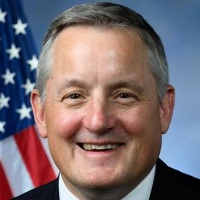
Bruce Westerman
Representative
AR
Bruce Westerman
Representative
AR
This bill, the Great American Outdoors Act 250, significantly reforms and renames the existing public lands restoration fund to the America’s Legacy Restoration Fund. It secures dedicated funding streams, primarily from energy revenues and new fees on foreign visitors, to address critical deferred maintenance across the National Park Service, Forest Service, and other public land agencies. The legislation establishes strict spending priorities for infrastructure repair while also creating pilot programs for enhancing outdoor recreation and sportsmen's access. Finally, it mandates increased transparency and accountability through standardized metrics and public reporting on all funded projects.