The CHALLENGES Act establishes strict requirements and penalties to prevent individuals from submitting dishonest or unsupported challenges to registered voters' eligibility.
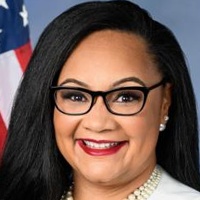
Nikema Williams
Representative
GA-5
The CHALLENGES Act aims to protect election integrity by establishing strict new requirements to prevent dishonest or bad-faith challenges to registered voters' eligibility. It mandates that individuals challenging a voter's status must provide specific, firsthand evidence and swear under oath, while also imposing criminal penalties for knowingly submitting false challenges. Furthermore, the bill requires online challenge systems to reject anonymous submissions and clearly state the prohibition against bad-faith filings.
The CHALLENGES Act Stops Bad-Faith Voter Challenges with New Rules and $1,000 Fines
The CHALLENGES Act—formally known as the Countering Harassment and Applying Legal Liability to Effectively Nurture Government Election Stability Act—takes aim at a specific problem in election administration: the practice of mass challenging voter registration status. This bill significantly tightens the rules for who can challenge a voter's eligibility for federal elections and what kind of proof they need to bring to the table.
Putting Up Roadblocks for Mass Challenges
For the average voter, this bill is designed to be a shield against harassment. Currently, in many places, it’s relatively easy for individuals or groups to file large-scale challenges against thousands of registered voters, often based on flawed data matches. The CHALLENGES Act changes this by demanding that anyone who isn't an official election worker must meet an extremely high bar to file a challenge. Specifically, you can't challenge someone’s registration based on running a massive computer data match; you need evidence from looking into that specific person’s status. On top of that, you must swear under oath that you personally know the person is ineligible to vote. If you’re an individual challenger, you also have to be a registered voter in the same local area as the person you’re challenging. This effectively ends the practice of large organizations filing challenges across multiple jurisdictions based on data alone.
The Cost of Crying Wolf
This legislation gives teeth to the new rules by creating real consequences for bad-faith actors. If someone wrongly challenges your registration, you can now sue them directly without having to notify the state election chief first. If you win, you can recover money you spent because of the challenge (compensatory damages) and be awarded up to $1,000 in punitive damages for every time the rule was broken. Think of it as a significant financial deterrent. For someone who has to take time off work or hire a lawyer to defend their right to vote against a baseless challenge, this private right of action offers a path to recover those costs.
Criminal Penalties for False Claims
The bill also adds new criminal penalties, which is a major shift. If you knowingly—or even negligently—submit a false challenge, you could face a fine or up to six months in jail. If the violator is an organization, the fine jumps up to $10,000 for each violation. The inclusion of the word "negligently" here is worth noting; it means even if you didn't intend to mislead, if you were careless in meeting the new evidentiary requirements and submitted a false challenge, you could still be on the hook. This provision aims to make sure that anyone who tries to use the challenge system to mess with the election process thinks twice.
What This Means for Election Integrity
For election officials, this bill should significantly reduce the administrative burden of sorting through thousands of baseless challenges, allowing them to focus resources on legitimate election matters. For the rest of us, the CHALLENGES Act means a layer of protection against targeted harassment. If you've moved recently or had a name change, your registration is less likely to be flagged and challenged by groups using outdated or flawed data. The trade-off is that it becomes much harder for concerned citizens to flag potential issues if they don't have personal, firsthand knowledge, but the bill clearly prioritizes protecting legitimate voters from being wrongly disenfranchised.