The Youth Voting Rights Act establishes new federal protections and requirements to expand and enforce voting access for young citizens, including pre-registration for 16- and 17-year-olds, mandatory on-campus polling places, and validation of student IDs.
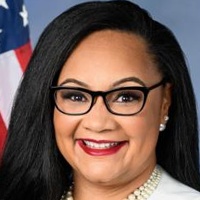
Nikema Williams
Representative
GA-5
The Youth Voting Rights Act aims to strengthen voting access for young Americans by enforcing the 26th Amendment. This bill mandates that public colleges facilitate voter registration, allows 16- and 17-year-olds to pre-register for federal elections, and requires on-campus polling locations. It also establishes grants to encourage youth civic engagement and strengthens protections against age-based barriers in voting, including ID rules and absentee voting.
Youth Voting Rights Act Mandates On-Campus Polling, Student ID Acceptance, and 16-Year-Old Pre-Registration
This bill, dubbed the Youth Voting Rights Act, is essentially a federal mandate to overhaul how young people interact with the election system. Its core purpose is to enforce the promise of the 26th Amendment—which gave 18-year-olds the vote—by tearing down the logistical barriers that Congress believes still disproportionately block younger citizens from voting. The Act introduces specific requirements for states regarding pre-registration, college campus access, and voter ID rules, all taking effect 90 days after the bill becomes law.
The College Connection: Polling Places and Registration
If you’re a college student—or have one in the family—this bill aims to make voting a whole lot easier. Section 7 requires every public college and university campus to host a polling place for federal elections. Think about that: no more driving across town or figuring out bus routes to vote. If a private school doesn't want to host a poll, the state must still provide easy alternatives on campus, like mobile voting units or free shuttle buses to nearby sites. Furthermore, Section 5 now treats all student service offices at public colleges as official voter registration agencies, just like the DMV. This means when you go to the bursar or student services, they must offer you the chance to register to vote, significantly boosting access.
Pre-Registration and the Power of the Student ID
For high schoolers, Section 6 mandates that states allow 16- and 17-year-olds to pre-register for federal elections. Once they turn 18, they are automatically switched to active voter status. This is designed to build voting habits early and ensure that the transition to adulthood doesn't mean missing out on the first few elections. On the practical side, Section 9 addresses a major pain point: voter ID. If your state requires photo ID to vote, they must now accept a student ID card issued by a college or university, provided it meets the basic information requirements of other accepted IDs. This cuts through the confusion that often leaves students scrambling for a driver's license or passport just to cast a ballot.
New Teeth for the 26th Amendment
The bill isn’t just about convenience; it’s about legal enforcement. Section 4 creates a new, specific private right of action, allowing citizens to sue state or local governments if they feel their right to vote is being denied or limited due to age. If you win that lawsuit, the state has to pay your attorney fees. The catch here is that to win, you have to prove the voting rule isn't necessary to achieve a “truly important goal” of the state. That phrase, “truly important goal,” is pretty vague and will likely be tested in court, determining just how strong this new legal protection really is. Section 8 also expands the right to sue over improper residency requirements in all federal elections, not just presidential ones.
What This Means for Election Officials and Taxpayers
Implementing these changes—especially the campus polling places and the new pre-registration systems—will create a significant administrative lift for state and local election administrators. To help offset some of this, Section 10 establishes a new federal grant program, authorizing $26 million for the 2026 fiscal year to fund state activities that encourage youth involvement. This money is earmarked for things like paid fellowships for young people in election offices and funding for high schools and colleges to run voter registration drives. Finally, Section 12 mandates that the Government Accountability Office (GAO) and the Election Assistance Commission (EAC) start collecting highly detailed data on voting trends, breaking down registration and rejection rates by age (in small increments, like 18–21, 22–24, etc.) and race. This will give policymakers the clearest picture yet of exactly who is voting, who isn't, and why.