Legislative Activity
Track Donald's sponsored bills, co-sponsored legislation, and voting record
This bill mandates comprehensive federal data collection and reporting on attacks, aggression, and mental wellness to improve law enforcement officer safety and support.
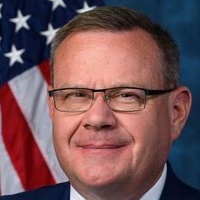
Tim Moore
Representative
NC
Tim Moore
Representative
NC
This bill mandates comprehensive federal reporting to better understand and address violence, aggression, and wellness challenges facing law enforcement officers. It requires the Attorney General to produce detailed reports analyzing attacks on officers, potential new data collection methods for non-criminal aggressive incidents, and the state of officer mental health resources. The goal is to use this improved data to recommend better federal, state, and local responses and support systems for officers.
This act, also known as the COUNTER Act, updates the Department of Defense's authority and procedures for neutralizing drone threats to U.S. assets while ensuring related security information remains confidential.
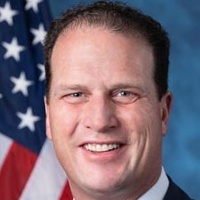
August Pfluger
Representative
TX
August Pfluger
Representative
TX
The COUNTER Act enhances the Department of Defense's authority to neutralize threats from unmanned aircraft systems targeting U.S. assets. This legislation delegates specific response powers and updates mitigation rules for drone threats. Crucially, it exempts sensitive information regarding these counter-drone technologies and procedures from public disclosure under the Freedom of Information Act. The bill also adjusts several deadlines and clarifies the applicability of certain federal laws when operating overseas to counter these threats.
This Act reinstates and extends the ability for taxpayers to deduct personal casualty losses from unexpected events like crimes, scams, and disasters without previous limitations.
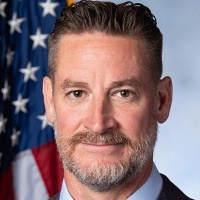
W. Steube
Representative
FL
W. Steube
Representative
FL
The Tax Relief for Victims of Crimes, Scams, and Disasters Act reinstates and removes limitations on the federal income tax deduction for personal casualty losses resulting from unexpected events like fires or floods. This legislation also extends the deadline for taxpayers to file claims for refunds related to these casualty loss deductions for past tax years. These changes apply to tax years beginning after December 31, 2017.
This bill mandates the creation of an online training course for law enforcement and corrections personnel on interacting with, recognizing signs of, and safely managing individuals with Alzheimer's disease and similar dementias.
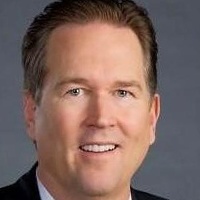
Vern Buchanan
Representative
FL
Vern Buchanan
Representative
FL
The Alzheimer’s Law Enforcement Education Act of 2025 mandates the creation of a free, online training course for law enforcement and corrections personnel regarding Alzheimer's disease and related dementias. This course will teach officers how to recognize symptoms, communicate effectively, use alternatives to physical restraints, and identify potential abuse of affected individuals. The bill encourages states to accept completion of this specialized training toward required professional development hours.
This Act establishes a tax credit for businesses using domestically retreaded tires and mandates that federal fleets prioritize purchasing retreaded tires when available.
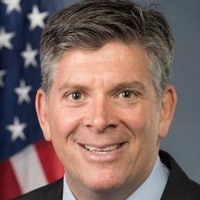
Darin LaHood
Representative
IL
Darin LaHood
Representative
IL
The Retreaded Tire Jobs, Supply Chain Security and Sustainability Act of 2025 establishes a new federal tax credit for businesses purchasing qualified, domestically retreaded tires through 2028. The bill also mandates that federal executive agencies prioritize purchasing retreaded tires when available through the GSA schedule, rather than buying new ones. These provisions aim to boost domestic jobs, enhance supply chain security, and promote sustainability in the tire industry.
This resolution expresses the House's strong support for the enduring U.S.-Israel alliance and calls for expanding defense cooperation to counter evolving regional threats.
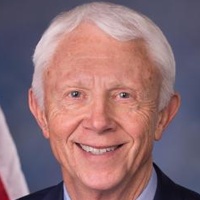
Jack Bergman
Representative
MI
Jack Bergman
Representative
MI
This resolution expresses the strong sense of the House of Representatives affirming the enduring U.S.-Israel alliance based on shared democratic values. It emphasizes the necessity of expanding defense cooperation to address evolving regional threats and maintain Israel's qualitative military edge. The bill calls for continued joint efforts in missile defense, technology sharing, and intelligence to ensure the security of both nations.
This bill reauthorizes and increases the funding for the Historic Preservation Fund through 2035.
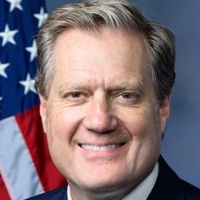
Michael Turner
Representative
OH
Michael Turner
Representative
OH
The Historic Preservation Fund Reauthorization Act extends the life of the Historic Preservation Fund through the year 2035. This legislation also increases the maximum annual funding available for the program from \$150 million to \$250 million. Essentially, this bill ensures continued and increased financial support for preserving historic sites across the nation.
The Racehorse Health and Safety Act of 2025 establishes a national organization to standardize and enforce science-based health, medication control, and racetrack safety rules across participating states.
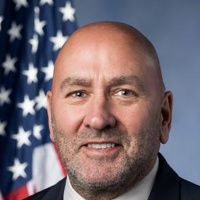
Clay Higgins
Representative
LA
Clay Higgins
Representative
LA
The Racehorse Health and Safety Act of 2025 aims to standardize and nationalize racehorse health, medication control, and racetrack safety across state lines. It achieves this by establishing a new governing body, the Racehorse Health and Safety Organization (RHSO), tasked with creating science-based rules and maintaining a national safety database. The bill also mandates specialized scientific committees to develop breed-specific medication standards and establishes strict disciplinary processes for rule violations. Overall, this legislation centralizes oversight to improve industry-wide safety and integrity.
This resolution calls upon local communities to support organizations that aid Gold Shield Families—the loved ones of first responders who died in the line of duty.
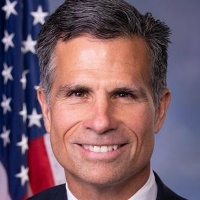
Daniel Meuser
Representative
PA
Daniel Meuser
Representative
PA
This resolution expresses gratitude to the families of first responders who died in the line of duty, known as Gold Shield Families. It recognizes the profound sacrifice made by these families and calls upon local communities to support the nonprofit organizations that provide them with essential resources and aid during their time of need. The bill emphasizes the nation's ongoing commitment to honoring both the fallen heroes and their surviving loved ones.
This Act establishes new federal requirements, including pre-arrival health documentation and permits, for importing live dogs into the United States.
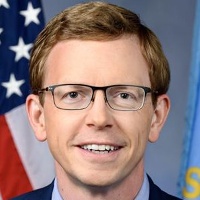
Dusty Johnson
Representative
SD
Dusty Johnson
Representative
SD
The Healthy Dog Importation Act establishes new federal requirements for bringing live dogs into the United States, mandating advance electronic health documentation, vaccinations, and permanent identification for most imports. This law defines key roles like "Importer" and sets specific age and permitting requirements for dogs intended for transfer or sale after arrival. The Secretary of Agriculture is tasked with creating detailed regulations within 18 months to enforce these health and documentation standards, while also outlining specific exceptions for returning pets and working dogs.
The EAGLE Act of 2025 establishes a federal grant program to help small local law enforcement agencies cover the costs of achieving or maintaining professional accreditation.
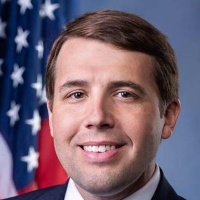
Chris Pappas
Representative
NH
Chris Pappas
Representative
NH
The EAGLE Act of 2025 establishes a new federal grant program to help small, local law enforcement agencies cover the costs associated with achieving or renewing official professional accreditation. This funding is specifically designated to pay for accreditation fees, on-site assessments, and related expenses from recognized organizations like CALEA. The program is funded with $10 million for Fiscal Year 2025 to support agencies with fewer than 350 employees.
This Act enhances the FAA's Collegiate Training Initiative, establishes new grant programs, funds training equipment, creates retention incentives for air traffic controllers, and mandates improvements to mental health support and airport radar safety reporting.
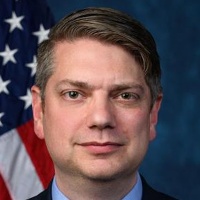
Nicholas Begich
Representative
AK
Nicholas Begich
Representative
AK
The Air Traffic Control Workforce Development Act of 2025 aims to strengthen the air traffic control pipeline by improving the Collegiate Training Initiative (CTI) program and establishing new grants for participating colleges. The bill also funds new training equipment and creates financial incentives to both encourage trainees to complete their certification and retain experienced controllers. Finally, it mandates improvements to mental health support for controllers and requires a report on the future of airport radar safety systems.
This Act mandates that health plans cover medically necessary treatment for congenital anomalies or birth defects affecting the eyes, ears, teeth, mouth, or jaw to restore normal function and appearance.
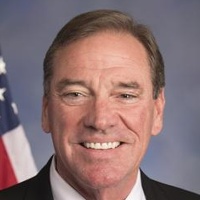
Neal Dunn
Representative
FL
Neal Dunn
Representative
FL
The Ensuring Lasting Smiles Act mandates that group health plans and insurance policies provide comprehensive coverage for medically necessary treatment related to congenital anomalies or birth defects affecting the eyes, ears, teeth, mouth, or jaw. This coverage must include services needed to restore normal function and appearance, including necessary dental and orthodontic support. Plans must apply cost-sharing rules no more restrictive than those for other medical benefits, excluding purely cosmetic procedures.
This Act establishes a bipartisan Fiscal Commission tasked with developing and reporting legislative recommendations to reduce the national debt, followed by an expedited congressional process for considering those recommendations.
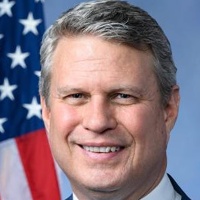
Bill Huizenga
Representative
MI
Bill Huizenga
Representative
MI
The Fiscal Commission Act establishes a bipartisan commission tasked with developing legislative recommendations to improve the nation's long-term fiscal health, aiming to reduce the national debt ratio to 100% of GDP by 2039. This Commission, composed of appointed members from both chambers of Congress and outside experts, must submit its final report and proposed legislation within a specific timeframe. The Act also creates an expedited, amendment-free process for Congress to consider and vote on any resulting "implementing bills."
This bill mandates that federal research entities report detailed, categorized data on the number of animals used in research based on pain and distress levels, making this information publicly accessible through an NIH database.
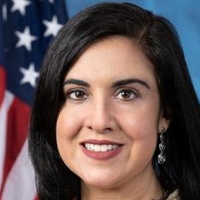
Nicole Malliotakis
Representative
NY
Nicole Malliotakis
Representative
NY
The Federal Animal Research Accountability Act of 2025 mandates that entities using animals in NIH-funded research must annually report detailed data on animal use, broken down by the level of pain or distress experienced. This comprehensive information, including the number of animals bred or housed but not yet used, will be made publicly available in a searchable database by the NIH. These new transparency requirements are set to begin two years after the bill's enactment.
This act simplifies the employment requirement for the Public Service Loan Forgiveness program by clarifying that qualifying employment time is counted as long as borrowers were employed in a qualifying job while making required payments.
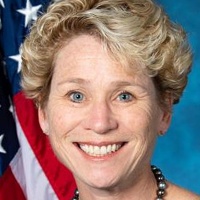
Chrissy Houlahan
Representative
PA
Chrissy Houlahan
Representative
PA
The PSLF Payment Completion Fairness Act simplifies the requirements for the Public Service Loan Forgiveness (PSLF) program. This bill removes the confusing dual requirement that previously mandated simultaneous qualifying employment and payment status for service time to count. Moving forward, the focus is simply on having been employed in a qualifying job while making the required payments.
The SERVICE Act of 2025 establishes a pilot program to fund local law enforcement grants for creating specialized Veterans Response Teams to better assist veterans in crisis.
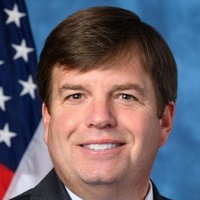
Dale Strong
Representative
AL
Dale Strong
Representative
AL
The SERVICE Act of 2025 establishes a five-year pilot program to create specialized Veterans Response Teams within local law enforcement agencies through federal grants. These teams will focus on improving interactions between law enforcement and veterans in crisis by fostering collaboration with the VA and providing specialized training. The teams will also establish 24/7 volunteer response networks and track outcomes to better serve the veteran community.
This act establishes a federal grant program to help law enforcement officers afford and access childcare during their off-hours.
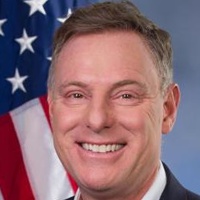
Scott Peters
Representative
CA
Scott Peters
Representative
CA
The Providing Child Care for Police Officers Act of 2025 establishes a new federal grant program to help law enforcement officers secure childcare during non-traditional hours. Administered by HHS, these competitive grants will fund local agencies to offer subsidies, start new facilities, or cover operational costs for officers. The program requires state agencies to apply and secure matching funds, with a sunset date of September 30, 2030.
This bill clarifies registration timelines under FARA, allows compliance orders to remain in effect after agency ends, and mandates annual public reporting on FARA enforcement actions.

Ben Cline
Representative
VA
Ben Cline
Representative
VA
The Foreign Agents Transparency Act clarifies the registration timeframes under the Foreign Agents Registration Act (FARA) to ensure coverage of recent activity. It also empowers the Attorney General to seek compliance orders against former agents that remain in effect after their agency relationship ends. Finally, the bill mandates annual public reports from the Attorney General detailing FARA enforcement actions taken against covered individuals.
This bill expands the definition of "law enforcement officer" for federal retirement purposes under FERS and CSRS to include specific IRS, Postal Inspection, and VA police employees, and establishes rules for how current employees can count prior service under the new designation.
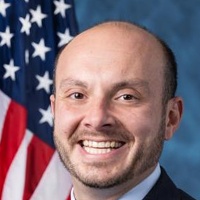
Andrew Garbarino
Representative
NY
Andrew Garbarino
Representative
NY
The Law Enforcement Officers Equity Act expands the definition of "law enforcement officer" for federal retirement purposes under both the Federal Employees Retirement System (FERS) and the Civil Service Retirement System (CSRS). This change adds specific IRS, Postal Inspection Service, and VA police roles to those eligible for enhanced retirement benefits. The bill also establishes procedures for current officers to elect to have their prior service counted under these new definitions, which may require a payment from the employee and their employing agency.