Legislative Activity
Track Donald's sponsored bills, co-sponsored legislation, and voting record
The Historic Tax Credit Growth and Opportunity Act of 2025 modifies rehabilitation tax credits by increasing rates for small projects, eliminating basis adjustments, and changing eligibility rules for various building improvements.
Darin LaHood
Representative
IL
Darin LaHood
Representative
IL
The Historic Tax Credit Growth and Opportunity Act of 2025 significantly enhances historic rehabilitation tax incentives. It establishes a permanent 20% credit rate for qualified expenditures and introduces an optional 30% credit for smaller projects, which includes the ability to transfer the credit. Furthermore, the bill simplifies calculations by eliminating the requirement to reduce the property's basis when claiming the credit.
This act updates federal law to specifically prohibit the taking or transmitting of video of national defense information, treating it the same as photographic material.
Jennifer Kiggans
Representative
VA
Jennifer Kiggans
Representative
VA
The Drone Espionage Act updates federal law to specifically prohibit the unauthorized taking or transmission of **video** of national defense information. This amendment modernizes existing statutes, ensuring that capturing sensitive material via video is treated the same as capturing it via photographs or negatives. The bill aims to strengthen protections against the illicit sharing of defense secrets using modern recording technology.
The Fight Fentanyl Act strengthens federal efforts against fentanyl trafficking by mandating detailed reporting from HIDTA programs, increasing their funding and purpose to target fentanyl interdiction, and requiring the Attorney General to assign additional prosecutors to these cases.
David Taylor
Representative
OH
David Taylor
Representative
OH
The Fight Fentanyl Act strengthens federal efforts to combat the fentanyl crisis by updating the High Intensity Drug Trafficking Areas (HIDTA) program. This legislation mandates increased reporting on fentanyl investigations, sets dedicated funding levels through 2030, and expands HIDTA purposes to prioritize fentanyl interdiction. Furthermore, it requires the Attorney General to ensure sufficient prosecutorial resources are dedicated to fentanyl trafficking cases through temporary AUSA assignments.
The PROTECT 911 Act establishes federal guidelines and grant funding to support the mental health and wellness of public safety telecommunicators, such as 911 operators.
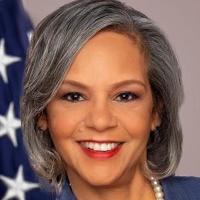
Robin Kelly
Representative
IL
Robin Kelly
Representative
IL
The PROTECT 911 Act aims to support the mental health of 911 operators and emergency dispatchers. It requires the government to develop evidence-based mental health guidelines and training materials specifically for these workers. Furthermore, the Act establishes grants for emergency communications centers to implement or enhance behavioral health and wellness programs for their staff.
This resolution recognizes the vital contributions of linemen, often acting as first responders, and supports designating April 18, 2025, as "National Lineman Appreciation Day."
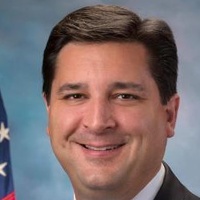
David Rouzer
Representative
NC
David Rouzer
Representative
NC
This resolution officially recognizes the vital and dangerous work performed by power linemen who maintain our electrical infrastructure and ensure public safety. It highlights their crucial role as first responders, often working in hazardous conditions after disasters. Furthermore, the resolution supports the designation of April 18, 2025, as "National Lineman Appreciation Day" to formally honor their service.
This act officially recognizes accounting education as part of a well-rounded curriculum to improve access to accounting programs, especially for underrepresented students.
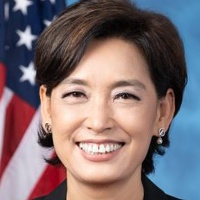
Young Kim
Representative
CA
Young Kim
Representative
CA
The Accounting STEM Pursuit Act of 2025 officially recognizes accounting education as a vital component of a well-rounded K-12 curriculum. This legislation amends federal education law to ensure accounting is counted within core curriculum planning frameworks. The Act specifically directs states and districts to improve access to quality accounting programs, with a focus on increasing opportunities for underrepresented students.
The Youth Workforce Readiness Act of 2025 establishes grants for out-of-school programs run by community organizations to prepare eligible youth (ages 6-18) for employment through work experience, training, and mentorship, while also strengthening local Youth Councils.
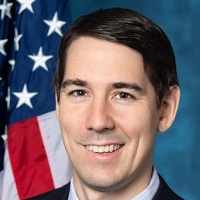
Josh Harder
Representative
CA
Josh Harder
Representative
CA
The Youth Workforce Readiness Act of 2025 establishes a competitive grant program to fund national organizations in developing comprehensive, out-of-school workforce readiness programs for youth aged 6 to 18. This Act aims to boost employment opportunities by connecting youth education and training with employer needs through community partnerships. Furthermore, it strengthens youth voices by mandating the reestablishment and integration of Youth Councils within local workforce boards to advise on training and readiness initiatives.
This Act makes amounts paid for accredited private umbilical cord blood or tissue banking services deductible as medical care expenses for federal tax purposes beginning after 2024.
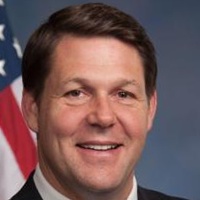
Jodey Arrington
Representative
TX
Jodey Arrington
Representative
TX
The Family Cord Blood Banking Act amends the tax code to allow individuals to treat payments for private umbilical cord blood or tissue banking services as deductible medical expenses. This change makes the cost of utilizing accredited private cord blood banks potentially tax-deductible for federal tax years beginning after December 31, 2024.
This Act mandates the development of adoption education resources and professional training for healthcare providers to improve care for expectant parents considering adoption.
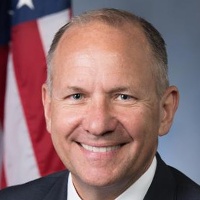
Lloyd Smucker
Representative
PA
Lloyd Smucker
Representative
PA
The Hospital Adoption Education Act of 2025 aims to improve adoption awareness and support within healthcare settings. This legislation directs the Secretary of Health and Human Services to develop and distribute educational resources for hospital staff regarding sensitive adoption issues. Furthermore, the Act establishes grants to fund professional development and training for care providers on patient-centered care for expectant mothers and adoptive families. The goal is to ensure objective, unbiased information is accessible where expectant parents most trust to find it.
The SOAR Act of 2025 reforms Medicare oxygen benefits by removing competitive bidding, establishing specific supplier responsibilities, enhancing fraud protection through electronic documentation, and enshrining patient rights for supplemental oxygen recipients.
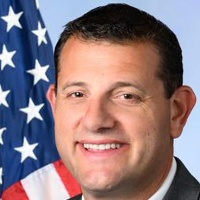
David Valadao
Representative
CA
David Valadao
Representative
CA
The SOAR Act of 2025 aims to significantly reform Medicare access to supplemental oxygen by removing it from the competitive bidding program and establishing new payment rates. The bill also mandates clearer documentation requirements for medical necessity using electronic templates and restores clinical judgment in claim audits. Finally, it establishes specific rights for oxygen beneficiaries and improves reimbursement for respiratory therapists.
This act increases the maximum loan amounts available to small businesses under certain SBA programs and mandates annual reporting on the distribution of those enhanced loans.
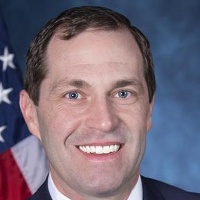
Jason Crow
Representative
CO
Jason Crow
Representative
CO
The Small Business Energy Loan Enhancement Act significantly increases the maximum loan amounts available to eligible small businesses under specific Small Business Administration (SBA) programs, raising the limit from $\$5.5$ million to $\$10$ million. This legislation also mandates that the SBA report annually to Congress detailing the industries and geographic areas benefiting from these enhanced loan categories. The goal is to provide greater financial resources for small businesses through SBA lending.
The Neighborhood Homes Investment Act establishes a new federal tax credit to incentivize the development and substantial rehabilitation of affordable starter homes in low-income communities by closing the financing gap between construction costs and sale prices.
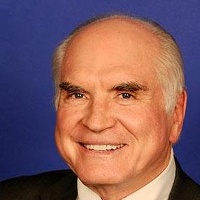
Mike Kelly
Representative
PA
Mike Kelly
Representative
PA
The Neighborhood Homes Investment Act establishes a new federal tax credit designed to close the financing gap hindering the construction and rehabilitation of affordable starter homes in distressed communities. This credit incentivizes developers to build or substantially renovate housing in specific low-income census tracts and sell it affordably to qualified moderate-income homeowners. State agencies will manage the allocation of these credits, ensuring projects meet affordability standards and promoting revitalization in struggling neighborhoods.
This Act secures \$5 million annually in grants for youth organizations from fiscal years 2026 through 2030.
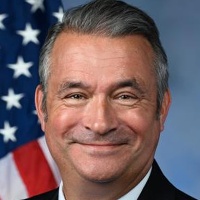
Don Bacon
Representative
NE
Don Bacon
Representative
NE
The Youth Lead Act establishes dedicated federal funding for youth organizations by setting aside \$5 million annually for grants between fiscal years 2026 and 2030. This legislation amends existing law to ensure consistent financial support for these organizations.
This act prohibits the destruction of broadband internet access service facilities by expanding federal law to protect all such infrastructure, regardless of who operates it.
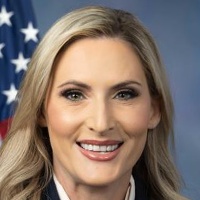
Laurel Lee
Representative
FL
Laurel Lee
Representative
FL
The Stopping the Theft and Destruction of Broadband Act of 2025 strengthens federal law to explicitly prohibit the destruction of broadband internet access service facilities. This update broadens protection beyond defense-related infrastructure to cover any privately or publicly operated broadband service. The Act provides a clear definition of what constitutes broadband internet access service under federal protection.
This Act expands Medicare coverage to include audiology services provided directly by qualified audiologists starting in 2027, removing physician supervision and referral requirements.

Gus Bilirakis
Representative
FL
Gus Bilirakis
Representative
FL
The Medicare Audiology Access Improvement Act of 2025 expands Medicare coverage for audiology services, beginning in 2027. This legislation allows qualified audiologists to provide diagnostic and treatment services without physician referral or supervision, as permitted by state law. The bill also specifies payment rates and includes audiologists in coverage for Rural Health Clinics and Federally Qualified Health Centers.
The ENLIST Act mandates that secondary schools receiving federal funds must prominently display and make accessible to students information regarding military recruiting.
Jennifer Kiggans
Representative
VA
Jennifer Kiggans
Representative
VA
The ENLIST Act mandates that secondary schools receiving federal funding must prominently display and ensure student access to military recruiting information during school hours. This ensures that information about military service and training opportunities is readily available to students.
The National Biotechnology Initiative Act of 2025 establishes a coordinated federal effort, led by a new Coordination Office, to advance U.S. national security, economic productivity, and competitiveness through biotechnology research, development, and commercialization.
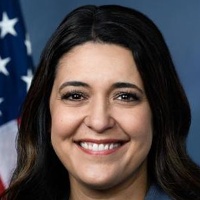
Stephanie Bice
Representative
OK
Stephanie Bice
Representative
OK
The National Biotechnology Initiative Act of 2025 establishes a comprehensive, whole-of-government effort to advance U.S. leadership in biotechnology for national security and economic competitiveness. This Act creates the National Biotechnology Initiative, overseen by a new National Biotechnology Coordination Office within the Executive Office of the President. Participating federal agencies are mandated to coordinate strategies across research, data management, biomanufacturing, regulatory streamlining, and workforce development. The law also establishes mechanisms for interagency coordination, public reporting, and the development of a national biotechnology strategy.
This bill establishes the American Family Act, which revamps the Child Tax Credit into a system of refundable monthly advance payments for qualifying children and a separate credit for other dependents.

Rosa DeLauro
Representative
CT
Rosa DeLauro
Representative
CT
The American Family Act fundamentally overhauls the Child Tax Credit by replacing the annual lump sum with a system of advance, refundable monthly payments delivered directly to families. These monthly allowances vary based on the child's age, with higher amounts provided for younger children. The bill also establishes a separate, smaller credit for other dependents and outlines procedures for annual renewal and reconciliation of advance payments when filing taxes.
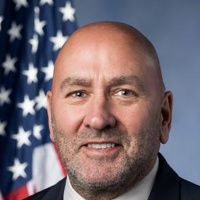
This bill establishes pilot projects for the Department of Homeland Security to test advanced technologies, including AI, to improve the detection of contraband like fentanyl at U.S. land ports of entry.
Clay Higgins
Representative
LA
Clay Higgins
Representative
LA
The CATCH Fentanyl Act mandates the Department of Homeland Security to establish pilot projects at land ports of entry to test advanced inspection technologies, including those utilizing Artificial Intelligence. These tests aim to improve the detection of contraband like fentanyl while increasing inspection efficiency. The Secretary must report on the effectiveness of these technologies and provide recommendations for nationwide deployment within five years of enactment.
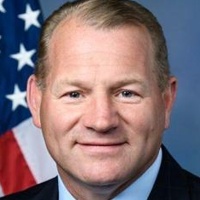
This Act strengthens federal enforcement against child exploitation by updating kidnapping definitions, restricting defenses for crimes against minors, creating new offenses for touching minors, and making technical amendments to sexual abuse and civil rights statutes.
Troy Nehls
Representative
TX
Troy Nehls
Representative
TX
The Strengthening Child Exploitation Enforcement Act updates federal laws concerning kidnapping and sexual abuse of minors. It clarifies kidnapping definitions, bars consent as a defense for offenses against victims under 16 unless reasonable belief of age is proven, and creates a new federal offense for non-consensual touching of minors for sexual gratification. The bill also makes technical amendments to sentencing guidelines and cross-references related to abusive sexual contact.