Legislative Activity
Track Donald's sponsored bills, co-sponsored legislation, and voting record
This act establishes a dedicated unit within the Department of Justice to enhance the investigation and prosecution of international trade-related crimes, such as smuggling, money laundering, and duty evasion.
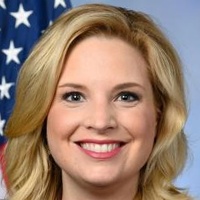
Ashley Hinson
Representative
IA
Ashley Hinson
Representative
IA
The Protecting American Industry and Labor from International Trade Crimes Act of 2026 establishes a dedicated unit within the Department of Justice to investigate and prosecute criminal trade activities, such as smuggling, duty evasion, and trade-based money laundering. This legislation aims to bolster enforcement capacity through increased staffing, interagency collaboration, and the development of multi-jurisdictional responses. Additionally, it mandates annual reporting to Congress to ensure transparency and accountability in the government's efforts to protect American industry and labor.
The PERM Backlog Reduction Act of 2026 establishes an optional, fee-based premium processing program to ensure permanent labor certification applications are adjudicated within 30 days.
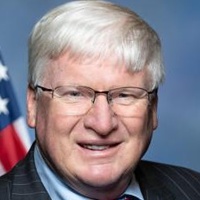
Glenn Grothman
Representative
WI
Glenn Grothman
Representative
WI
The PERM Backlog Reduction Act of 2026 establishes an optional, fee-based premium processing program to accelerate the permanent labor certification process. Under this legislation, the Department of Labor is required to adjudicate expedited Form ETA-9089 applications within 30 days. The bill ensures that these expedited services are funded by user fees while mandating that standard processing times for non-expedited applications remain unaffected.
This act establishes a VA pilot program to expand veteran access to comprehensive, virtual-based opioid treatment through telehealth and interagency coordination.
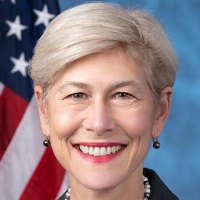
Deborah Ross
Representative
NC
Deborah Ross
Representative
NC
The Virtual-Based Opioid Treatment for Veterans Act establishes a pilot program to expand veteran access to telehealth-based medication-assisted treatment for opioid use disorder. This initiative creates referral networks and interagency partnerships to overcome barriers to traditional in-person care. Additionally, the Act mandates ongoing studies and reporting to evaluate the program's effectiveness in improving health outcomes for veterans.
This resolution commemorates the 61st anniversary of Medicare, recognizing its historic role in providing essential health care security to millions of older Americans and individuals with disabilities.
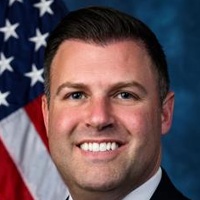
Ryan Mackenzie
Representative
PA
Ryan Mackenzie
Representative
PA
This resolution commemorates the 61st anniversary of Medicare, recognizing its vital role in providing health security to millions of seniors and individuals with disabilities. It honors the health care providers and staff who sustain the program while underscoring the importance of ensuring its long-term solvency for future generations.
This bill reauthorizes the Accelerating Access to Critical Therapies for ALS Act through 2031 while enhancing grant oversight, safety reporting requirements, and FDA strategic planning for rare neurodegenerative diseases.

Mike Quigley
Representative
IL
Mike Quigley
Representative
IL
The Accelerating Access to Critical Therapies for ALS Reauthorization Act of 2026 extends vital funding for ALS research and clinical trial programs through 2031. This legislation strengthens oversight by enhancing grant review processes, improving safety reporting requirements, and mandating a comprehensive five-year FDA action plan to accelerate the development of treatments for rare neurodegenerative diseases.
This bill authorizes a seven-year grant program for the National Law Enforcement Officers Memorial Fund to support the National Law Enforcement Museum’s educational, community outreach, and officer wellness initiatives.
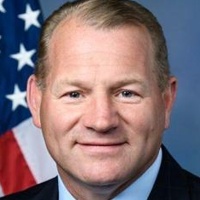
Troy Nehls
Representative
TX
Troy Nehls
Representative
TX
The National Law Enforcement Officers Remembrance, Support, and Community Outreach Act authorizes $6 million in annual grants over seven years to the National Law Enforcement Officers Memorial Fund. These funds will support the National Law Enforcement Museum’s public education, community outreach, and officer safety and wellness programs. As a condition of the grant, the museum must provide free admission to law enforcement officers and their families, as well as dedicated free hours for the general public.
The Tuskegee Airmen Memorial Act of 2026 authorizes the establishment of a privately funded commemorative work in Washington, D.C., to honor the Tuskegee Airmen of World War II.
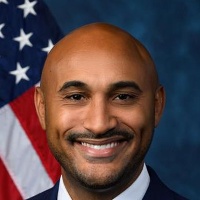
Shomari Figures
Representative
AL
Shomari Figures
Representative
AL
The Tuskegee Airmen Memorial Act of 2026 authorizes Tuskegee Airmen, Inc. to establish a commemorative work on federal land in Washington, D.C., to honor the original Tuskegee Airmen of World War II. The project will be funded entirely through private donations, with no federal funds permitted for its construction or maintenance.
The "Combating Illicit Xylazine Act" aims to combat the misuse of xylazine by adding it to Schedule III of the Controlled Substances Act, tracking its distribution, and ensuring appropriate penalties for related offenses, while also protecting legitimate veterinary use.
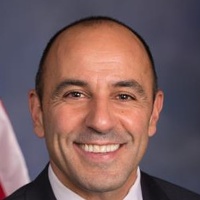
Jimmy Panetta
Representative
CA
Jimmy Panetta
Representative
CA
The "Combating Illicit Xylazine Act" aims to combat the illegal use of xylazine by adding it to Schedule III of the Controlled Substances Act, which would allow for increased regulation and tracking of the substance. The bill includes exemptions and delayed effective dates for certain requirements to ease the transition for legitimate users, such as veterinarians and animal handlers. It also directs the Sentencing Commission to review sentencing guidelines for xylazine-related offenses and mandates reports to Congress on the prevalence and impact of illicit xylazine use. Finally, it will include xylazine in Arcos tracking.
This bill clarifies that a franchisor is only considered a joint employer of a franchisee's workers if it exercises substantial, direct, and immediate control over essential terms of employment.
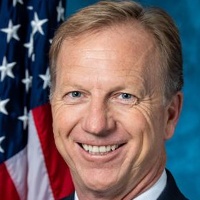
Kevin Hern
Representative
OK
Kevin Hern
Representative
OK
The American Franchise Act aims to protect the traditional franchise business model by clarifying the definition of a "joint employer." This legislation establishes that a franchisor is only considered a joint employer if it exercises "substantial direct and immediate control" over the essential terms of employment for a franchisee's workers. This change specifically targets liability risks associated with maintaining brand standards, ensuring franchisors are not automatically held responsible for local labor practices. The new standard applies prospectively to future legal proceedings.
The AADAPT Act expands grant eligibility and funding to integrate dementia care services into health centers through 2031.
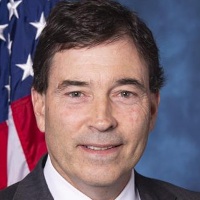
Troy Balderson
Representative
OH
Troy Balderson
Representative
OH
The AADAPT Act expands access to specialized dementia care by authorizing grants for public and nonprofit health centers to integrate these services into their programs. Additionally, the bill extends federal funding authorization through 2031 to ensure the continued growth and sustainability of these critical health outcomes.
This bill reauthorizes and updates federal vector-borne disease initiatives and grant programs through 2030 to improve the prevention, identification, and response to tick-borne illnesses.
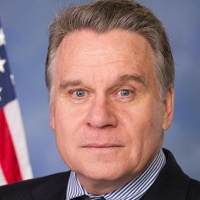
Christopher Smith
Representative
NJ
Christopher Smith
Representative
NJ
The Kay Hagan Tick Act reauthorization extends federal funding and support for vector-borne disease initiatives through 2030. This legislation updates national strategy requirements and enhances the capacity of regional centers and health departments to identify, prevent, and respond to tick-borne and other vector-borne illnesses.
This Act authorizes the Secretary of Health and Human Services to mandate the destruction of refused imported articles that pose a significant public health risk, prohibiting their re-export or movement within U.S. commerce.
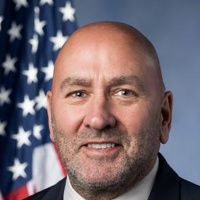
Clay Higgins
Representative
LA
Clay Higgins
Representative
LA
The Destruction of Hazardous Imports Act authorizes the Secretary of Health and Human Services to mandate the destruction of imported goods that pose a significant public health risk and have been refused admission into the U.S. This legislation removes the option for owners to export these hazardous items and requires them to cover all destruction costs. Owners are granted due process through formal notice and hearing procedures before any destruction order is finalized.
The BRRRRT Act of 2026 mandates the continued operation, sustainment, and preservation of the A-10 Thunderbolt II fleet through fiscal year 2033, prohibiting divestment until a fully capable replacement is fielded and certified.
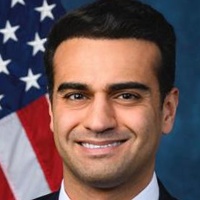
Abraham Hamadeh
Representative
AZ
Abraham Hamadeh
Representative
AZ
The BRRRRT Act of 2026 mandates the continued operation and sustainment of the Air Force’s A-10 Thunderbolt II fleet through fiscal year 2033. The bill prohibits the retirement or divestment of these aircraft unless the Department of Defense certifies that a fully capable replacement is already operational and meeting all mission requirements. Additionally, the legislation requires the preservation of retired aircraft, the maintenance of specialized pilot training programs, and the establishment of programs to document the A-10's combat legacy and explore future autonomous technology integration.
The Rural Patient Monitoring Access Act establishes a minimum payment floor for rural remote patient monitoring services and sets new quality and reporting requirements for Medicare reimbursement starting in 2026.
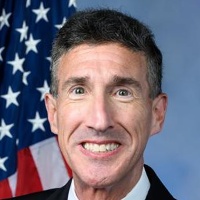
David Kustoff
Representative
TN
David Kustoff
Representative
TN
The Rural Patient Monitoring Access Act aims to improve access to remote patient monitoring (RPM) for rural Medicare beneficiaries. It establishes a minimum payment floor for the geographic indices used to calculate practice expense and malpractice costs for RPM services starting in 2026. Furthermore, the bill sets new quality requirements for RPM providers to qualify for Medicare payment, including real-time clinical availability and data interoperability. Finally, it mandates a future report analyzing the actual cost savings generated by these enhanced RPM services.
This bill mandates electronic prior authorization, increases transparency through required data reporting, and establishes faster decision timelines for Medicare Advantage plans to improve timely access to care for seniors.
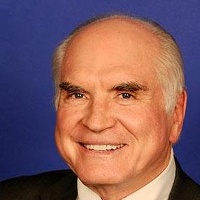
Mike Kelly
Representative
PA
Mike Kelly
Representative
PA
The Improving Seniors’ Timely Access to Care Act of 2025 aims to streamline and modernize the prior authorization process within Medicare Advantage plans. This bill mandates the adoption of electronic prior authorization systems and significantly increases transparency regarding approval rates and decision times starting in 2027. Furthermore, it establishes new enrollee protections and grants the Secretary authority to enforce faster decision timeframes for medical services.
The Essential Caregivers Act of 2026 mandates that long-term care facilities allow residents to designate essential caregivers who maintain in-person visitation rights even during periods when regular visitation is suspended.

Claudia Tenney
Representative
NY
Claudia Tenney
Representative
NY
The Essential Caregivers Act of 2026 ensures that residents in long-term care facilities maintain access to designated essential caregivers, even when general visitation is suspended. The bill mandates that facilities allow residents to appoint up to two caregivers who can provide in-person support, provided they adhere to established safety protocols. It also prioritizes the investigation of access complaints and guarantees that these visitation rights cannot be waived during emergencies.
The FARM AI Act of 2026 establishes a national framework to accelerate the adoption of artificial intelligence in agriculture through expanded research, workforce training, and the creation of a dedicated AI Advisor at the Department of Agriculture.
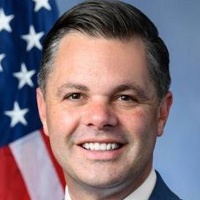
Zachary (Zach) Nunn
Representative
IA
Zachary (Zach) Nunn
Representative
IA
The FARM AI Act of 2026 aims to modernize the American agricultural sector by prioritizing artificial intelligence in Department of Agriculture research, extension, and workforce development programs. The bill establishes a new Artificial Intelligence Agriculture Advisor to promote the adoption of AI technologies and coordinate the development of national standards for digital agriculture. These efforts are designed to improve farm productivity, enhance resource management, and expand economic opportunities for farmers across the country.
This bill directs the Secretary of Defense to review recently declassified records to determine whether to restore the retired rank of General to John D. Lavelle.
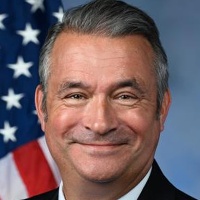
Don Bacon
Representative
NE
Don Bacon
Representative
NE
The General John D. Lavelle Act directs the Secretary of Defense to review recently declassified records and current military board recommendations to determine whether to restore the retired rank of General to John D. Lavelle. The Secretary must submit a formal recommendation to the President and the Senate regarding this restoration by December 31, 2026.
This resolution designates July 10th as Journeyman Lineworkers Recognition Day to honor the essential service and sacrifices of the professionals who maintain our nation’s power grid.

Linda Sánchez
Representative
CA
Linda Sánchez
Representative
CA
This resolution designates July 10th as Journeyman Lineworkers Recognition Day to honor the essential, high-risk work performed by these skilled professionals. It pays tribute to the lineworkers who provide critical service during emergencies and recognizes those who have made the ultimate sacrifice in the line of duty.
The Diesel Engine Flexibility (DEF) Act establishes a 10-year period of regulatory stability for on-road and nonroad diesel engines by freezing emission standards and providing a safe harbor for specific compliance and monitoring practices.
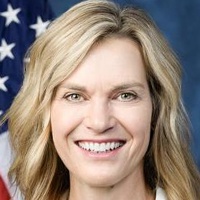
Julie Fedorchak
Representative
ND
Julie Fedorchak
Representative
ND
The Diesel Engine Flexibility (DEF) Act provides a 10-year period of regulatory stability for on-road and nonroad diesel engines by freezing emission standards at current levels. During this time, the bill establishes a safe harbor for manufacturers and operators following specific EPA guidance regarding diesel exhaust fluid monitoring and engine repair strategies. Additionally, it mandates that any future emission standards must include significant lead times and consider the operational and economic impacts on engine owners.