The Vaccine Transportation Access Act establishes a grant program and increases federal Medicaid funding to eliminate transportation barriers for individuals seeking essential vaccinations.
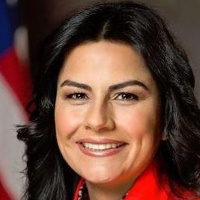
Nanette Barragán
Representative
CA-44
The Vaccine Transportation Access Act establishes a grant program for community organizations to provide reliable transportation services, helping individuals in underserved or low-income areas reach vaccination appointments. Additionally, the bill increases federal Medicaid support by covering 100% of the costs for nonemergency transportation specifically related to receiving eligible vaccines. These measures aim to remove critical mobility barriers and improve equitable access to essential immunizations.
Vaccine Transportation Access Act Proposes 100% Medicaid Coverage for Rides to Clinics and New Grant Program for Underserved Areas
Getting to a doctor's appointment shouldn't feel like a logic puzzle, yet for many, the lack of a reliable car or a nearby bus stop is the biggest hurdle to staying healthy. The Vaccine Transportation Access Act aims to fix this by treating transportation as a critical part of healthcare. The bill creates a grant program within the Department of Health and Human Services (HHS) that funds community nonprofits to provide rides to vaccination sites. Whether it’s a pre-scheduled van or an on-demand ride-share, the goal is to eliminate the 'last mile' problem—that gap between a person's front door and the clinic. For those on Medicaid, the bill goes even further by mandating that the federal government cover 100% of the costs for non-emergency transportation to get eligible vaccines, removing a significant financial burden from state budgets.
The Logistics of a Lift
Under Section 2, the bill doesn't just throw money at the problem; it requires a plan. Organizations applying for these grants, which last at least six months, must prove they have experience working with low-income or minority communities. They have to list every partner involved—including for-profit ride services—and show exactly how they plan to reduce missed appointments. Imagine a single parent in a neighborhood with limited bus service; under this bill, a local nonprofit could receive funding to provide a direct door-to-door ride to the pharmacy for their child’s scheduled immunizations. The bill defines "eligible vaccines" broadly, covering anything recommended by the CDC’s Advisory Committee as of late 2024, as well as those backed by major U.S. medical societies.
Accountability and Open Ends
While the intent is straightforward, the bill leaves some of the 'how' up in the air. Grantees are required to report back to the HHS Secretary within six months of their project ending, but the bill gives the Secretary broad authority to decide what information is actually required in those reports. This level of discretion (found in Section 2’s reporting requirements) means the quality of oversight could vary. Additionally, the bill authorizes "whatever sums are necessary" for funding. While this ensures the program can scale to meet demand, it lacks a specific price tag, which can make long-term budgeting a bit of a moving target. For the average person, this means the program’s availability might depend heavily on how much money Congress actually decides to hand over each year.
Bridging the Medicaid Gap
One of the most concrete changes is tucked into Section 3, which amends the Social Security Act. Currently, states often split the bill with the feds for Medicaid transportation. This bill shifts 100% of that cost to the federal government specifically for vaccine-related trips. This is a big deal for state taxpayers and local health departments, as it frees up state funds for other services while ensuring that Medicaid recipients don't lose access to rides due to state-level budget cuts. It’s a direct attempt to ensure that if you’re eligible for a vaccine, your ability to get to the clinic is guaranteed by federal backing, regardless of your zip code or bank account balance.