This bill prohibits the export of petroleum-related equipment and services to Russia and mandates sanctions on foreign persons who facilitate such transactions.
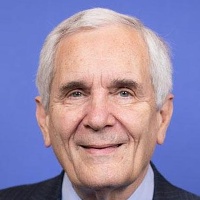
Lloyd Doggett
Representative
TX-37
The No Aid for Russian Energy Act prohibits U.S. persons and entities from exporting petroleum-related equipment, technology, and services to the Russian Federation. It further mandates strict sanctions, including asset blocking and visa restrictions, against any foreign persons or companies that facilitate such trade with Russia. The bill provides limited exceptions for humanitarian aid and medical supplies while granting the President authority to issue temporary national security waivers.
No Aid for Russian Energy Act Bans US Petroleum Exports and Tech Support to Russia Within 60 Days
The No Aid for Russian Energy Act is a sweeping piece of legislation designed to completely sever the Russian energy sector from American technology and expertise. Within 60 days of becoming law, the bill requires the President to block the export, sale, or supply of all petroleum equipment and services to any person or entity in the Russian Federation. This isn't just about drill bits and pipes; the bill casts a wide net that includes software updates, engineering consulting, and even the licensing of intellectual property like patents or trade secrets. If a U.S. company owns a foreign subsidiary, that subsidiary is also banned from making these deals, effectively closing loopholes that often allow multinational corporations to bypass domestic trade restrictions.
The Digital and Technical Lockdown
The bill’s definition of "petroleum equipment and services" in Section 5 is where things get real for the tech and engineering sectors. It specifically targets the modern tools of the trade: cloud-based data systems, process optimization software, and technical training. For a software engineer at a U.S. firm that provides remote monitoring for oil rigs, or a consultant who specializes in production efficiency, this bill makes their work for Russian clients illegal. Even the transfer of "know-how"—the informal but vital expertise shared between professionals—is strictly prohibited. This means the ban hits everything from high-end hardware to the code and conversations that keep energy projects running.
Frozen Assets and Canceled Visas
To ensure this isn't just a suggestion, Section 3 of the bill mandates heavy-hitting sanctions for anyone—U.S. or foreign—who helps Russia’s oil and gas industry. If a foreign entity is found to be supplying these services, the President must use the International Emergency Economic Powers Act (IEEPA) to freeze any property they have in the U.S. Furthermore, corporate officers or major shareholders of these companies will be barred from entering the United States, and any existing visas they hold will be revoked immediately. This creates a high-stakes environment where a foreign business owner could lose their ability to travel to the U.S. or access their American bank accounts simply by continuing to do business with the Russian energy sector.
Exceptions and the National Security Safety Valve
While the bill is aggressive, it does carve out specific protections for essential human needs. Under Section 2 and Section 3, the ban does not apply to medical isotopes (like Carbon-13 used in healthcare), food, medicine, or humanitarian aid operations. These exceptions ensure that while the energy industry is squeezed, basic survival resources for civilians aren't caught in the crossfire. Additionally, the President has the power to waive these sanctions for 180-day periods, provided they can certify to Congress that the waiver is "vital to the national security interests of the United States." This gives the government a pressure valve to adjust the policy if it starts to backfire on U.S. interests or global stability.