This act amends Medicare Part B to cover pharmacist-provided HIV prevention services, including PrEP and PEP management, starting January 1, 2027.
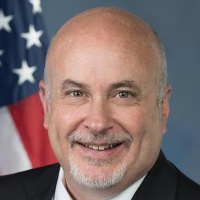
Mark Pocan
Representative
WI-2
The PrEP Access Act aims to expand access to HIV prevention by amending Medicare Part B to cover HIV prevention services, such as PrEP and PEP management, when provided by pharmacists. This coverage will take effect on January 1, 2027. The bill also establishes specific payment rates and prohibits pharmacists from balance billing Medicare beneficiaries for these services.
Medicare Part B to Cover Pharmacist-Provided PrEP/PEP Starting 2027, Boosting HIV Prevention Access
The PrEP Access Act is straightforward: it expands Medicare Part B coverage to include HIV prevention services—specifically PrEP (pre-exposure prophylaxis) and PEP (post-exposure prophylaxis)—when they are provided by a pharmacist. Think of this as a major boost for healthcare access, recognizing that your local pharmacist is often the most accessible health professional around.
The Pharmacy is Now the Prevention Hub
Starting January 1, 2027, if you are on Medicare Part B, you can go to a participating pharmacist for HIV prevention services that previously might have required a doctor’s visit. The bill defines these “pharmacist-provided HIV prevention services” broadly. They include evaluation, screening, counseling, and even administering the medication, provided the pharmacist is legally authorized to do so under your state’s law. This is key, as it means the rollout and availability of these services will depend on how progressive your state’s pharmacy practice laws are. If your state lets pharmacists prescribe PrEP, Medicare will now cover it.
What It Costs and Who Pays
For the busy person, the most important part is the wallet. The bill sets a specific payment structure for these new services. Medicare will pay the pharmacist 80% of a calculated rate, which is essentially 85% of what a physician would get paid for the same service. Crucially, the bill extends the existing Medicare rule prohibiting “balance billing.” This means the pharmacist cannot charge you, the Medicare beneficiary, more than the approved Medicare rate. This is a solid financial protection, ensuring that increased access doesn't come with surprise bills.
Real-World Impact: Convenience vs. Cost
This change is about meeting people where they are. For a working Medicare beneficiary who might struggle to get time off for a doctor's appointment, being able to walk into a pharmacy for PrEP screening and management is a huge convenience win. It moves critical public health services out of specialized clinics and into the community. However, the expansion of coverage does mean increased spending for Medicare Part B. While this is an investment in public health, the increased expenditure will place additional demands on the Medicare Trust Fund. Also, while this empowers pharmacists, it may lead to some substitution of services traditionally provided by physicians, which is a structural shift worth noting in the healthcare landscape.
The State Law Catch
One detail that could make the national rollout uneven is the reliance on state law. The coverage only applies to services a pharmacist is “legally authorized to furnish under State law.” If you live in a state where pharmacists have broad prescriptive authority, access will be seamless. If your state has restrictive laws, you might still need a physician’s prescription, limiting the bill’s effectiveness until those state laws catch up. This is a medium-level vagueness point that could affect how quickly and broadly people can take advantage of the new coverage come January 2027.