Legislative Activity
Track Ed's sponsored bills, co-sponsored legislation, and voting record
The PATCH Act guarantees a minimum Medicare work geographic index of 1.5 for physicians' services furnished in Hawaii starting in 2026.

Jill Tokuda
Representative
HI
Jill Tokuda
Representative
HI
The PATCH Act, or Protecting Access To Care in Hawaii Act, ensures that physicians in Hawaii receive fair compensation for their services. Starting in 2026, this bill mandates a minimum work geographic index of 1.5 for calculating Medicare payments for physicians' services furnished in the state. This adjustment is a direct increase to the payment formula and will not be offset by budget neutrality requirements.
The HABLA Act of 2025 mandates that federal agencies develop and implement plans to ensure Limited English Proficiency (LEP) individuals can access federally conducted and assisted programs and activities.
Pablo José Hernández Rivera
Representative
PR
Pablo José Hernández Rivera
Representative
PR
The HABLA Act of 2025 mandates that all federal agencies develop and implement detailed plans to ensure individuals with limited English proficiency (LEP) can access federally conducted programs. Furthermore, the bill requires agencies distributing federal funds to issue specific guidance to their recipients on providing language access to avoid national origin discrimination. Throughout this process, agencies must consult with LEP individuals and stakeholders to create practical, fiscally responsible implementation strategies.
This Act streamlines the transition of medically disqualified service members into DoD civilian roles while also connecting non-qualifying individuals with defense industry career opportunities.
Jennifer Kiggans
Representative
VA
Jennifer Kiggans
Representative
VA
The Defense Workforce Integration Act of 2025 aims to streamline the transition of separating service members into civilian Department of Defense (DoD) roles, particularly for those medically disqualified from service. It also establishes a new program to connect medically ineligible individuals with career opportunities in the defense industrial base and related national security sectors. Furthermore, the bill mandates that the Navy inform separating personnel about career opportunities within the Military Sealift Command. The DoD must report to Congress within one year on the implementation of these integration and information-sharing provisions.
This Act prohibits the advertising and provision of paid conversion therapy intended to change an individual's sexual orientation or gender identity, empowering the FTC and State Attorneys General to enforce these prohibitions.
Ted Lieu
Representative
CA
Ted Lieu
Representative
CA
The Therapeutic Fraud Prevention Act of 2025 declares that practices attempting to change an individual's sexual orientation or gender identity for payment constitute an unfair and deceptive business practice. Citing professional consensus on the ineffectiveness and harm of such "conversion therapy," the bill prohibits its provision and advertising. Enforcement authority is granted to the Federal Trade Commission (FTC), and the law allows both the U.S. Attorney General and State Attorneys General to file civil actions against violators.
The American Ownership and Resilience Act establishes a Department of Commerce-run facility to leverage government backing for investment companies that finance the sale of businesses to Employee Stock Ownership Plans (ESOPs) or worker-owned cooperatives.
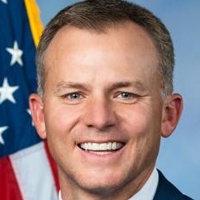
Blake Moore
Representative
UT
Blake Moore
Representative
UT
The American Ownership and Resilience Act establishes an Ownership Investment Facility within the Department of Commerce to provide government-backed leverage to investment companies. This facility is designed to encourage capital investments that support the sale of businesses to Employee Stock Ownership Plans (ESOPs) or worker-owned cooperatives. The bill sets strict oversight, fairness, and control requirements for these employee-centric transactions while establishing licensing and capital standards for the participating investment companies.
This Act clarifies the U.S. position on UN Resolution 2758, mandates U.S. advocacy against China's distortion of the "One China" position in international organizations, and strengthens efforts to counter Taiwan's international isolation.

Gerald Connolly
Representative
VA
Gerald Connolly
Representative
VA
The Taiwan International Solidarity Act clarifies that UN Resolution 2758 does not determine Taiwan's status and affirms U.S. opposition to any change in Taiwan's status without its consent. The bill directs the U.S. government to actively advocate in international organizations against the People's Republic of China's (PRC) distortion of the "One China" position regarding Taiwan. Furthermore, it mandates encouraging allies to resist PRC efforts to undermine Taiwan's international partnerships and requires expanded reporting on these PRC actions.
This act establishes research grants and training programs to develop and implement PFAS-free, next-generation turnout gear to protect firefighters from occupational illness and injury.

Debbie Dingell
Representative
MI
Debbie Dingell
Representative
MI
The PFAS Alternatives Act aims to protect firefighters by funding research and development for next-generation turnout gear that eliminates harmful PFAS chemicals. The bill establishes grants through NIOSH to create safer, PFAS-free protective equipment and separate funding for training programs on the proper care of this new gear. Ultimately, this legislation seeks to reduce occupational illness and injury among fire and EMS personnel.
This resolution formally recognizes the vital contributions of elementary and secondary school teachers to the nation's civic, cultural, and economic well-being and designates the week of May 5-9, 2025, as National Teacher Appreciation Week.
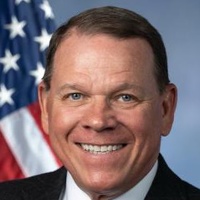
Sam Graves
Representative
MO
Sam Graves
Representative
MO
This resolution formally recognizes the vital role of elementary and secondary school teachers in strengthening the civic, cultural, and economic well-being of the United States. It designates the week of May 5 through May 9, 2025, as National Teacher Appreciation Week. The bill encourages public awareness and respect for the teaching profession and its essential contributions to the nation.
This Act establishes comprehensive federal conservation measures, strict permitting rules, and enforcement penalties to protect specific albatross and petrel species both domestically and internationally.
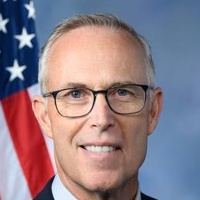
Jared Huffman
Representative
CA
Jared Huffman
Representative
CA
The Albatross and Petrel Conservation Act of 2025 establishes comprehensive federal measures to protect vulnerable seabirds by restoring habitats, mitigating harm from human activities like pollution and fishing bycatch, and managing invasive species. It strictly prohibits the harming or interference with these birds unless specific permits are obtained for conservation or scientific purposes. The bill also creates the domestic structure necessary to uphold international conservation agreements and assigns enforcement penalties through existing federal wildlife and fisheries laws. Ultimately, this legislation aims to improve the survival rates of covered albatrosses and petrels through coordinated domestic action and global cooperation.
This resolution expresses support for Wildfire Preparedness Week to educate the public on fire safety, promote preventative measures, and raise awareness about the dangers and scale of wildfires.
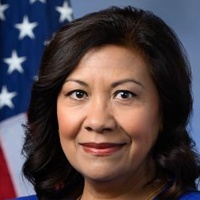
Norma Torres
Representative
CA
Norma Torres
Representative
CA
This resolution expresses strong support for designating May 4 through May 10, 2025, as Wildfire Preparedness Week. The measure aims to raise public awareness about the dangers of wildfires and promote essential fire safety and community preparedness education. It highlights the need for proactive measures, such as evacuation planning and better land management, to mitigate the growing threat posed by these destructive events.
This bill establishes a permanent advisory committee to study and report on the financial market fallout from potential Chinese military aggression toward Taiwan, requiring regular reports and recommendations to bolster U.S. market resilience.
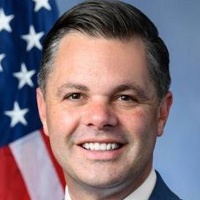
Zachary (Zach) Nunn
Representative
IA
Zachary (Zach) Nunn
Representative
IA
This bill establishes a permanent advisory committee focused on studying and reporting on the severe financial market fallout that could result from Chinese military aggression toward Taiwan. The committee, composed of market experts and regulators, will advise the Financial Stability Oversight Council on potential economic vulnerabilities. The Council must then issue an annual public report detailing market risks, potential losses, and specific recommendations for regulators to fortify U.S. financial systems against such geopolitical shocks.
This Act revises the Migratory Bird Treaty Act to establish a permitting system for the incidental take of migratory birds, create civil penalties for unauthorized harm, and fund conservation efforts through new fees.
Jared Huffman
Representative
CA
Jared Huffman
Representative
CA
The Migratory Bird Protection Act of 2025 amends the Migratory Bird Treaty Act to establish a clear framework for authorizing the accidental "take" of migratory birds during otherwise legal activities. This includes creating a system for issuing incidental take permits and establishing civil penalties for unauthorized harm. The bill also creates the Migratory Bird Recovery Fund, financed by permit fees, to support bird conservation efforts and mandates ongoing research and reporting to Congress.
This resolution expresses support for designating May 5, 2025, as the "National Day of Awareness for Missing and Murdered Indigenous Women and Girls" while urging action to address the crisis of violence against Native women and girls.
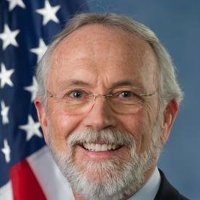
Dan Newhouse
Representative
WA
Dan Newhouse
Representative
WA
This resolution expresses the House of Representatives' support for designating May 5, 2025, as the "National Day of Awareness for Missing and Murdered Indigenous Women and Girls." It highlights the severe crisis of violence against Native women and girls and calls for remembrance and support for affected families. Additionally, the bill urges the Department of Justice to conduct an updated study on the data surrounding this ongoing national tragedy.
This bill exempts the shipment of energy products and equipment between the contiguous United States and noncontiguous areas from certain maritime transportation restrictions.

Ritchie Torres
Representative
NY
Ritchie Torres
Representative
NY
The Noncontiguous Energy Relief and Access Act of 2025 creates a specific exemption for shipping essential energy products and equipment between the mainland United States and noncontiguous areas like Alaska, Hawaii, and Puerto Rico. This change waives certain existing maritime restrictions for the transport of fuel, generators, and related materials necessary for energy infrastructure in these regions. The goal is to streamline the movement of vital energy supplies to these territories.
This act establishes a grant program through the NSF to boost the participation and retention of women, underrepresented minorities, and people with disabilities in STEM fields.
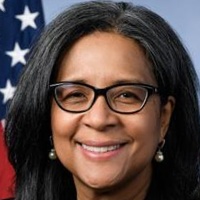
Marilyn Strickland
Representative
WA
Marilyn Strickland
Representative
WA
The Women and Underrepresented Minorities in STEM Booster Act of 2025 establishes a new grant program managed by the National Science Foundation. This program is designed to increase the participation and retention of women, underrepresented minorities, and people with disabilities in science, technology, engineering, and math (STEM) fields. Funds will support activities such as mentoring, internships, and outreach aimed at addressing documented gaps in STEM education and the workforce. Congress has authorized $15 million annually for this initiative from 2026 through 2030.
This bill bans the manufacture, sale, and transfer of specific semiautomatic assault weapons and large-capacity ammunition feeding devices while grandfathering existing possessions and establishing new transfer requirements.
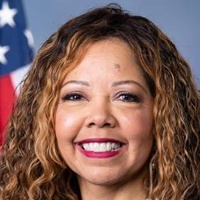
Lucy McBath
Representative
GA
Lucy McBath
Representative
GA
The Assault Weapons Ban of 2025 comprehensively defines and bans the manufacture, sale, and transfer of specific semiautomatic assault weapons and large capacity ammunition feeding devices. The bill grandfathers existing weapons but imposes new requirements for their secure storage and mandates dealer involvement for future private transfers. It also allows federal grant money to be used by states for buy-back programs targeting these banned items.
This Act promotes private employee ownership by extending tax deferrals for S corporation ESOP sales, ensuring ESOP-owned businesses retain small business status, and establishing new Treasury and Labor offices to provide assistance and advocacy.
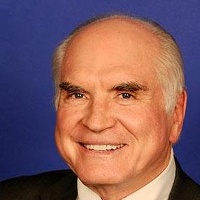
Mike Kelly
Representative
PA
Mike Kelly
Representative
PA
The Promotion and Expansion of Private Employee Ownership Act of 2025 aims to significantly boost employee ownership in S corporations through Employee Stock Ownership Plans (ESOPs). The bill extends key tax deferral benefits for stock sales to ESOPs and removes a major restriction on this tax treatment. Furthermore, it establishes new government offices and an Advocate for Employee Ownership to provide technical assistance and resolve disputes, while ensuring ESOP-owned businesses retain small business status for federal programs.
This bill repeals the Arctic National Wildlife Refuge oil and gas program and designates over 1.5 million acres of the refuge as protected wilderness.
Jared Huffman
Representative
CA
Jared Huffman
Representative
CA
The Arctic Refuge Protection Act officially repeals the previous law authorizing oil and gas leasing in the Arctic National Wildlife Refuge. This legislation simultaneously designates approximately 1.56 million acres within the Refuge as protected wilderness under the National Wilderness Preservation System. The Secretary of the Interior is now required to manage this newly designated land according to strict wilderness preservation standards.
The Equality Act comprehensively prohibits discrimination based on sex, sexual orientation, and gender identity across key areas including public accommodations, employment, housing, credit, and jury service.
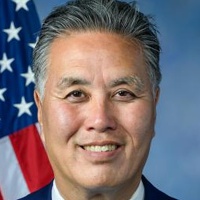
Mark Takano
Representative
CA
Mark Takano
Representative
CA
The Equality Act comprehensively expands federal civil rights protections against discrimination based on sex, sexual orientation, and gender identity across key areas of American life. It amends existing laws to prohibit discrimination in public accommodations, housing, credit, employment, and federal funding. The purpose of the bill is to provide consistent, explicit, and comprehensive remedies for individuals facing bias in these essential sectors.
This Act directs the Assistant Secretary of Commerce for Travel and Tourism to actively promote domestic and international travel to U.S. music-related locations and events.

Diana Harshbarger
Representative
TN
Diana Harshbarger
Representative
TN
The American Music Tourism Act of 2025 directs the Assistant Secretary of Commerce for Travel and Tourism to actively promote domestic and international travel focused on U.S. music heritage and events. This includes identifying key music tourism locations and streamlining international visitor access to these sites. The Act also establishes new biennial reporting requirements to Congress detailing progress on these tourism goals.