This resolution reaffirms the United States' unwavering commitment to Ukraine’s sovereignty and territorial integrity while condemning Russia’s ongoing war crimes and demanding the immediate withdrawal of its forces.
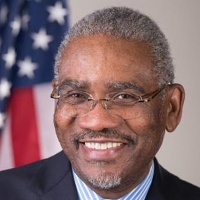
Gregory Meeks
Representative
NY-5
This resolution reaffirms the United States' unwavering commitment to Ukraine’s sovereignty, independence, and territorial integrity as the war enters its third year. It condemns Russia’s ongoing war crimes and human rights abuses, including the forced deportation of Ukrainian children, while demanding the immediate withdrawal of Russian forces. Furthermore, the bill insists that any path to peace must be determined by Ukraine and its allies, ensuring accountability for those responsible for atrocities.
House Resolution Reaffirms Support for Ukraine: Demands Return of 19,000 Children and Full Russian Withdrawal.
This resolution acts as a formal declaration of the United States' position as the conflict in Ukraine enters its third year. It moves beyond simple rhetoric by explicitly detailing the human and structural costs of the war, citing the destruction of schools, hospitals, and energy grids. Most notably, the resolution sets a firm diplomatic line: it demands the unconditional withdrawal of Russian forces from all occupied territories, including Crimea and the Donbas, and insists that no peace negotiations happen without Ukraine sitting at the head of the table.
Accountability on the Global Stage
The resolution puts a heavy focus on the legal consequences of the invasion. It specifically targets the forced deportation of at least 19,000 Ukrainian children, labeling these actions as war crimes and acts of genocide under international law. For the average person watching from home, this means the U.S. is formally backing the continued prosecution of Vladimir Putin and other Russian leaders. By reinforcing the work of the International Criminal Court, the House is signaling that there is no 'statute of limitations' on these atrocities, aiming to ensure that those responsible face a courtroom rather than just a history book.
Why it Matters for Global Stability
While this is a non-binding resolution—meaning it doesn't authorize new spending or military action on its own—it serves as the strategic blueprint for U.S. foreign policy. It links the stability of global food supply chains and energy prices directly to the restoration of Ukraine’s infrastructure. By condemning the 'catastrophic' military losses and the targeting of agricultural hubs, the resolution explains to both office workers and trade workers alike how a conflict thousands of miles away hits the wallet at home. It’s a clear-eyed acknowledgment that allowing borders to be redrawn by force creates a more volatile, and ultimately more expensive, world for everyone.