Legislative Activity
Track Ed's sponsored bills, co-sponsored legislation, and voting record
The Deliver for Veterans Act expands VA payment authority to cover adaptive vehicle shipping costs for eligible veterans and extends a limitation on certain pension payments.
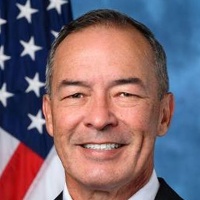
James (Jim) Moylan
Representative
GU
James (Jim) Moylan
Representative
GU
The Deliver for Veterans Act updates how the Department of Veterans Affairs supports eligible veterans by authorizing the VA to cover the full shipping costs for adaptive vehicles, in addition to the purchase price. This legislation also extends the expiration date for a specific limitation on certain veteran pension payments from late 2031 to March 2032.
The Trade Review Act of 2025 requires the President to notify Congress within 48 hours of imposing new or increased import duties, which will automatically expire after 60 days unless Congress affirmatively approves them.
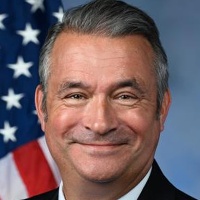
Don Bacon
Representative
NE
Don Bacon
Representative
NE
The Trade Review Act of 2025 requires the President to notify Congress within 48 hours when imposing new or increased import duties, detailing the justification and impact. These new duties will automatically expire after 60 days unless Congress passes a joint resolution of approval. Furthermore, Congress can swiftly override any new duty by passing a joint resolution of disapproval.
This Act allows employees to fully deduct union dues above the line and restores the itemized deduction for certain other job-related business expenses.
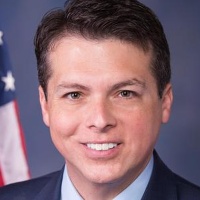
Brendan Boyle
Representative
PA
Brendan Boyle
Representative
PA
The Tax Fairness for Workers Act restores key federal tax deductions for employees, effective after 2024. This legislation makes union dues fully deductible "above the line," meaning they reduce Adjusted Gross Income without itemizing. Additionally, it allows itemizers to deduct certain other job-related business expenses that were previously limited.
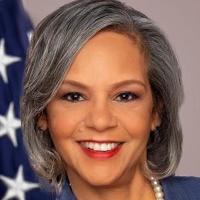
This Act overhauls federal firearm dealer regulations by mandating enhanced physical security, stricter inventory tracking, increased licensing fees, and new oversight for online firearm facilitators.
Robin Kelly
Representative
IL
Robin Kelly
Representative
IL
The Federal Firearm Licensee Act significantly overhauls federal regulation of gun dealers by mandating enhanced physical security, stricter inventory tracking, and increased record-keeping requirements. The bill repeals outdated restrictions on the ATF, increases licensing fees, and establishes new regulations for online firearm transfer facilitators. Furthermore, it strengthens enforcement by increasing penalties for compliance failures and mandating more frequent inspections for high-risk dealers.
The Impact Aid Infrastructure Partnership Act establishes federal and local partnerships to provide formula and competitive grants for urgently needed facility repairs and modernization in federally impacted school districts.

John Garamendi
Representative
CA
John Garamendi
Representative
CA
The Impact Aid Infrastructure Partnership Act establishes a four-year, \$250 million federal partnership to address critical facility needs in school districts heavily impacted by federal land. This bill creates competitive and formula grants prioritized by facility condition and local financial capacity, aiming to repair or modernize aging and unsafe school buildings. Funds are designed to supplement local efforts, with specific rules governing matching requirements and payment schedules based on a district's ability to borrow money.
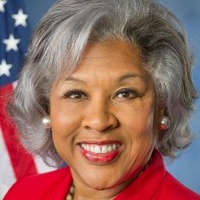
This resolution supports Financial Literacy Month by recognizing widespread financial struggles and calling for increased education and awareness across the nation.
Joyce Beatty
Representative
OH
Joyce Beatty
Representative
OH
This resolution officially supports the goals of Financial Literacy Month by recognizing the widespread financial challenges facing American households. It highlights the urgent need for improved personal finance education due to low budgeting rates and high levels of household debt. The bill calls upon federal, state, and local entities to promote programs that enhance financial understanding and responsible money management.
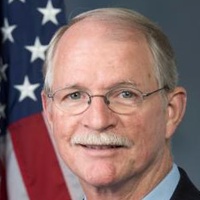
The PLAN for School Safety Act of 2025 establishes a grant program to fund regional centers that provide schools with evidence-based consultation and support for developing and implementing comprehensive safety and mental health plans.
John Rutherford
Representative
FL
John Rutherford
Representative
FL
The PLAN for School Safety Act of 2025 establishes a new federal grant program to create regional School Safety Development Centers. These centers will provide personalized, research-backed consultation and technical assistance to schools on developing and implementing comprehensive safety and mental health plans. The program prioritizes support for rural, Tribal, and low-resource communities, while explicitly prohibiting the use of funds for firearm training.
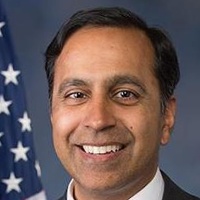
The Taiwan Allies Fund Act establishes a fund to provide financial assistance to nations facing pressure from the PRC for maintaining ties with Taiwan, while also encouraging deeper U.S. support for Taiwan's international presence.
Raja Krishnamoorthi
Representative
IL
Raja Krishnamoorthi
Representative
IL
The Taiwan Allies Fund Act establishes a dedicated fund to support countries that maintain relationships with Taiwan despite pressure from the People's Republic of China (PRC). This fund authorizes up to $40 million annually for fiscal years 2026 through 2028 to help eligible nations counter PRC coercion. Aid will focus on strengthening democratic partnerships, supporting Taiwan's international participation, and offering alternatives to PRC economic influence. The Secretary of State will manage the fund, coordinating with Taiwan, and must report annually to Congress on the fund's activities and Taiwan's matching contributions.
This Act imposes sweeping, mandatory sanctions, tariffs, and investment prohibitions on the Russian Federation and its affiliates until Russia negotiates a lasting peace with Ukraine.
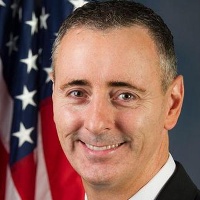
Brian Fitzpatrick
Representative
PA
Brian Fitzpatrick
Representative
PA
The Sanctioning Russia Act of 2025 imposes sweeping economic penalties on the Russian Federation in response to its aggression against Ukraine. This legislation mandates severe, immediate sanctions against key Russian officials, financial institutions, and energy sector entities, including asset freezes and trade prohibitions. Furthermore, the Act dramatically increases import duties on Russian goods and requires the President to review and reimpose these measures until Russia negotiates a lasting peace with Ukraine.
This Act mandates the Department of Labor to establish and enforce comprehensive workplace violence prevention standards for healthcare and social service workers, while also tying compliance to Medicare funding for certain facilities.
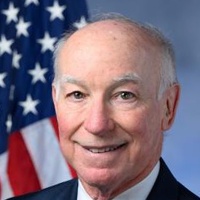
Joe Courtney
Representative
CT
Joe Courtney
Representative
CT
This Act mandates the Secretary of Labor to establish an interim and then a final standard requiring comprehensive workplace violence prevention plans for employers in the healthcare and social service sectors. These plans must be developed with employee input and detail risk assessments, hazard controls, reporting procedures, and annual training. Furthermore, the bill amends the Social Security Act to require Medicare-funded hospitals and skilled nursing facilities not covered by OSHA to comply with these new federal workplace violence prevention standards. The legislation also establishes clear definitions for workplace violence and includes strong anti-retaliation protections for employees who exercise their rights under the Act.
The ABC Act mandates a comprehensive review and simplification of processes, forms, and communications across Medicare, Medicaid, CHIP, and Social Security to alleviate burdens on family caregivers.
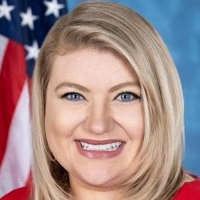
Katherine Cammack
Representative
FL
Katherine Cammack
Representative
FL
The ABC Act mandates a comprehensive review of Medicare, Medicaid, CHIP, and Social Security programs to significantly simplify application processes, forms, and communications for family caregivers. This effort requires federal agencies to streamline requirements, improve customer service, and enhance accessibility across their systems. The goal is to reduce the administrative burden on caregivers while ensuring clear and timely access to essential benefits. Agencies must report their findings and planned actions to Congress within two years of enactment.
This bill expands eligibility for loans and financial services from Farm Credit Banks and Production Credit Associations to businesses that directly support the operating needs of aquatic product producers and harvesters.

Chellie Pingree
Representative
ME
Chellie Pingree
Representative
ME
The Fishing Industry Credit Enhancement Act of 2025 expands access to credit and financial services from Farm Credit Banks and Production Credit Associations. This legislation specifically allows these entities to offer loans to businesses that provide essential services directly supporting the operations of aquatic product producers and harvesters. The bill amends the Farm Credit Act of 1971 to include these vital support industries.
The Hot Foods Act of 2025 lifts the general ban on purchasing ready-to-eat hot foods with SNAP benefits while imposing a sales cap on retailers that primarily sell such items.

Grace Meng
Representative
NY
Grace Meng
Representative
NY
The Hot Foods Act of 2025 removes the general federal ban on using Supplemental Nutrition Assistance Program (SNAP) benefits to purchase hot, ready-to-eat foods. This legislation clarifies that hot foods are now eligible for purchase with SNAP benefits, while also setting a new rule that limits SNAP-participating retailers to deriving no more than 50% of their gross sales from these ready-to-eat hot items. The act updates existing statutes to reflect this expanded purchasing power for recipients.
This resolution formally recognizes and supports the goals and ideals of the International Transgender Day of Visibility to honor the achievements and acknowledge the ongoing struggles of the transgender community.
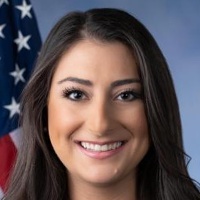
Sara Jacobs
Representative
CA
Sara Jacobs
Representative
CA
This resolution formally recognizes and celebrates the International Transgender Day of Visibility. Congress acknowledges the achievements of transgender individuals while highlighting the ongoing discrimination and violence they face. The resolution encourages appropriate ceremonies and activities to observe the day and celebrate the community's leadership and fight for equality.
The AID Youth Employment Act establishes competitive grant programs to fund subsidized summer and year-round employment opportunities for eligible youth aged 14 to 24 under the Workforce Innovation and Opportunity Act.
Robin Kelly
Representative
IL
Robin Kelly
Representative
IL
The AID Youth Employment Act establishes a new structure within federal law to create subsidized summer and year-round employment opportunities for eligible youth aged 14 to 24. It authorizes competitive grants for state, local, and community organizations to run these programs, emphasizing strong local partnerships and skill development. The bill also mandates performance measurement and annual reporting to Congress on program effectiveness and outcomes.
This bill repeals Section 338 of the Tariff Act of 1930, eliminating an outdated and unilateral tariff authority.
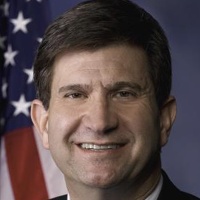
Bradley Schneider
Representative
IL
Bradley Schneider
Representative
IL
This bill, the Repealing Outdated and Unilateral Tariff Authorities Act, aims to modernize U.S. trade law by eliminating outdated provisions. Specifically, it repeals Section 338 of the Tariff Act of 1930. This action removes an old, unilateral tariff authority from the books.
This bill expands the definition of "coordinated expenditures" to include outside spending that is materially consistent with guidance, even if indirect, from a candidate or political party committee.
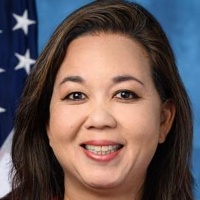
Jill Tokuda
Representative
HI
Jill Tokuda
Representative
HI
The Stop Illegal Campaign Coordination Act amends campaign finance law to broaden the definition of "coordinated expenditures." This bill stipulates that spending by outside groups is considered coordinated if it is "materially consistent" with guidance, even if indirect, from a candidate or political party committee. The legislation outlines specific factors the Federal Election Commission must consider when determining this consistency.
This bill authorizes specific funding levels for the United States to support the United Nations Population Fund (UNFPA) in its global efforts to improve sexual and reproductive health, reduce maternal mortality, and combat gender-based violence.
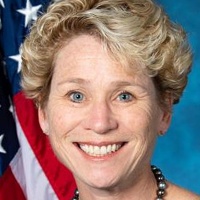
Chrissy Houlahan
Representative
PA
Chrissy Houlahan
Representative
PA
The Support UNFPA Funding Act authorizes specific funding levels for the United Nations Population Fund (UNFPA) for fiscal years 2026 and 2027. This legislation affirms that supporting UNFPA is in the U.S. strategic interest because it advances global health, reduces preventable maternal deaths, and combats gender-based violence. The bill emphasizes that UNFPA's work on voluntary family planning promotes stability and economic growth worldwide.
This resolution formally recognizes the 250th anniversary of the United States Marine Corps, honoring its legacy, service, and core values.
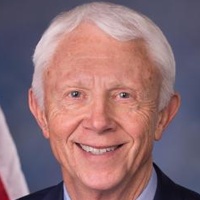
Jack Bergman
Representative
MI
Jack Bergman
Representative
MI
This resolution formally recognizes the upcoming 250th anniversary of the United States Marine Corps in 2025. Congress is honoring the Corps' long history, core values of honor, courage, and commitment, and its consistent readiness to defend the nation. The bill encourages the public to join in celebrating this significant milestone and acknowledging the service and sacrifice of all Marines.
The Paycheck Fairness Act strengthens equal pay enforcement by tightening defenses against pay discrimination, expanding protections against retaliation, increasing penalties for violations, and requiring comprehensive data collection and training initiatives.

Rosa DeLauro
Representative
CT
Rosa DeLauro
Representative
CT
The Paycheck Fairness Act significantly strengthens federal equal pay protections by broadening definitions of sex discrimination, tightening employer defenses against pay disparities, and increasing penalties for violations. It also prohibits employers from using salary history in hiring decisions and mandates new data collection by the EEOC to better enforce anti-discrimination laws. Furthermore, the bill establishes new training and outreach programs to combat systemic wage bias.