Legislative Activity
Track Ed's sponsored bills, co-sponsored legislation, and voting record
This Act requires group health plans to ensure that patient cost-sharing for medically necessary oral cancer drugs is comparable to that for intravenously administered cancer drugs.
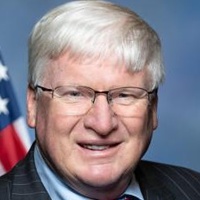
Glenn Grothman
Representative
WI
Glenn Grothman
Representative
WI
The Cancer Drug Parity Act of 2025 mandates that group health plans treat the cost-sharing for oral (take-at-home) anticancer drugs the same as they treat cost-sharing for intravenously administered cancer drugs. This ensures patients do not face higher out-of-pocket expenses for necessary oral chemotherapy medications. The Act also requires the GAO to study the financial impact of this new parity requirement on patients.
The Break the Cycle of Violence Act establishes federal frameworks within HHS and the Department of Labor to fund community-based violence intervention programs and provide job training for opportunity youth in high-violence areas.
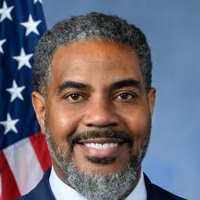
Steven Horsford
Representative
NV
Steven Horsford
Representative
NV
The Break the Cycle of Violence Act establishes federal frameworks within HHS and the Department of Labor to address community violence through prevention and economic opportunity. Title I creates grants for community-based violence intervention programs focused on evidence-based, trauma-responsive care, while Title II funds job training for opportunity youth in high-violence areas. Overall, the bill aims to reduce violence by investing in local services and creating pathways to employment rather than relying solely on incarceration.
This bill updates federal ocean acidification research and monitoring to enhance collaboration with coastal communities, including mandated coordination and representation for Indian Tribes and Native Hawaiian organizations.

Chellie Pingree
Representative
ME
Chellie Pingree
Representative
ME
The Coastal Communities Ocean Acidification Act of 2025 amends existing federal law to significantly enhance collaboration on ocean acidification research and monitoring. This bill mandates increased input from diverse stakeholders, including industry, coastal networks, and Indigenous groups, in guiding federal research priorities. Furthermore, it restructures the Advisory Board to ensure stronger representation from Tribal entities and requires the development of specific coordination policies with affected Tribes. The legislation also directs NOAA to prioritize collaboration with State, local, and Tribal governments when conducting vulnerability assessments.
This Act establishes a comprehensive, federally funded grant program to support evidence-based violence prevention and trauma-informed support for high-risk youth in schools located in high-violence communities.
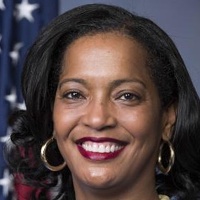
Jahana Hayes
Representative
CT
Jahana Hayes
Representative
CT
The School Violence Prevention Act establishes a new, comprehensive grant program to fund evidence-based violence prevention initiatives in high-risk communities. These grants will support partnerships between schools and community organizations to implement trauma-informed programs focused on youth development, social skills, and connecting students with mental health resources. The bill mandates rigorous evaluation of these programs to measure their impact on student success and overall community safety.
This Act permanently protects inventoried roadless areas within the National Forest System from new road construction and logging, upholding existing federal "Roadless Rule" prohibitions.
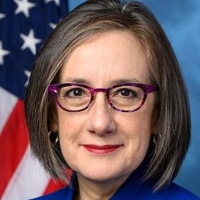
Andrea Salinas
Representative
OR
Andrea Salinas
Representative
OR
The Roadless Area Conservation Act of 2025 aims to provide lasting protection for inventoried roadless areas within the National Forest System. This legislation codifies existing federal regulations, known as the "Roadless Rule," which generally prohibits the construction of new roads or the cutting of timber in these sensitive zones. The purpose is to safeguard critical ecological benefits, clean water sources, and wildlife habitats while maintaining the Forest Service's multiple-use management mission.
This act revises budget baseline calculations by excluding funds designated as emergency requirements or provided through supplemental appropriations.
Glenn Grothman
Representative
WI
Glenn Grothman
Representative
WI
The Stop the Baseline Bloat Act of 2025 aims to reform how federal budget baselines are calculated under existing deficit control laws. Specifically, this bill mandates that funding designated as "emergency requirements" or provided through supplemental appropriations must be excluded when determining the baseline spending level. This change seeks to prevent temporary, non-recurring spending from artificially inflating future budget caps.
This resolution officially recognizes the 127th anniversary of Philippine Independence on June 12, 2025, celebrating Filipino culture, supporting Filipino Americans, and reaffirming the strong U.S.-Philippines relationship.
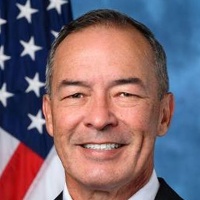
James (Jim) Moylan
Representative
GU
James (Jim) Moylan
Representative
GU
This resolution officially recognizes June 12, 2025, as the observance of the 127th anniversary of the Philippines Independence Day. It celebrates the enduring friendship between the U.S. and the Philippines, honors the Filipino people and the contributions of Filipino Americans, and reaffirms support for the nation's security. The bill also recognizes the service and sacrifice of Filipino and Filipino American service members.
This Act mandates that most private firearm transfers must go through a licensed dealer to ensure background checks are performed on all purchasers.
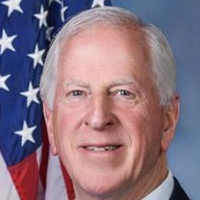
Mike Thompson
Representative
CA
Mike Thompson
Representative
CA
The Bipartisan Background Checks Act of 2025 aims to strengthen existing federal background check systems to prevent prohibited persons from acquiring firearms. This bill primarily mandates that most private firearm transfers must be facilitated through a licensed dealer who will conduct a background check. The legislation includes specific exceptions for family gifts, law enforcement, and temporary transfers under emergency circumstances.
This Act establishes new procedures for Federal Firearms Licensees when background checks are delayed, mandates reporting on delayed and denied transfers, and removes a specific time limit from existing background check law.

James Clyburn
Representative
SC
James Clyburn
Representative
SC
The Enhanced Background Checks Act of 2025 reforms federal firearm background check procedures, establishing a formal petition process for buyers when the system delays a decision beyond 10 business days. This bill removes the previous 10-day time limit on background checks under the Brady Act while mandating extensive reporting from the GAO and FBI on the effectiveness and outcomes of these delayed transfers. Furthermore, the Attorney General must report on the law's impact on domestic violence victims within 150 days of enactment.
This resolution officially recognizes and honors the 250th anniversary of the United States Army, celebrating its history, valor, and enduring commitment to national defense.
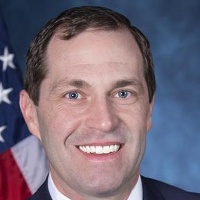
Jason Crow
Representative
CO
Jason Crow
Representative
CO
This resolution formally recognizes and honors the 250th birthday of the United States Army, celebrating its 250 years of service, valor, and dedication to defending American freedom. Congress expresses deep appreciation for the Army's history, its commitment to core values, and its current readiness to meet any future global challenge. The resolution encourages the American public to observe this significant anniversary with appropriate ceremonies.
This Act redefines "franchise fee" to provide a more specific and restrictive definition for cable services under the Communications Act of 1934.
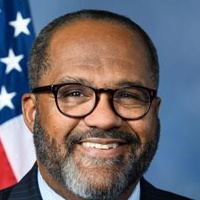
Troy Carter
Representative
LA
Troy Carter
Representative
LA
The Protecting Community Television Act revises the definition of "franchise fee" under the Communications Act of 1934. This change aims to provide a more precise and restrictive definition of what monetary assessments can be charged as a franchise fee by franchising authorities.
The Elder Pride Protection Act of 2025 establishes an Attorney General-led task force to combat abuse specifically targeting older LGBTQI+ individuals through investigation, guideline development, and training.
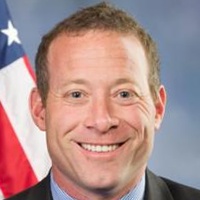
Josh Gottheimer
Representative
NJ
Josh Gottheimer
Representative
NJ
The Elder Pride Protection Act of 2025 establishes the ELDER Task Force within the Department of Justice to combat abuse targeting older LGBTQI+ individuals. This group is charged with studying the causes of this abuse, developing national best practices, and creating training materials for law enforcement. The Task Force must report its findings and progress to Congress within one year of the Act's enactment.
The MARITIME Act establishes U.S. policy to ensure that rising sea levels do not diminish the sovereign status or established maritime zones of coastal nations, and mandates a report on diplomatic efforts to promote this stance internationally.
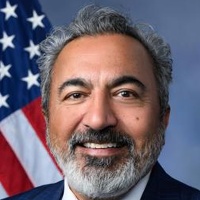
Ami Bera
Representative
CA
Ami Bera
Representative
CA
The MARITIME Act establishes the official U.S. policy that rising sea levels must not diminish a nation's sovereignty or shrink its established maritime zones, such as fishing and economic areas. The law commits the U.S. to supporting international efforts, particularly those by Pacific island nations, to officially map and secure their coastlines under existing international law. Furthermore, it mandates the Secretary of State to report on diplomatic efforts to encourage other nations to adopt this protective stance.
The Pride In Mental Health Act of 2025 establishes grants and federal initiatives to improve mental health services and research specifically for LGBTQ+ youth while explicitly prohibiting the use of funds for conversion therapy.
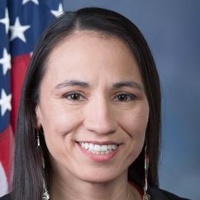
Sharice Davids
Representative
KS
Sharice Davids
Representative
KS
The Pride In Mental Health Act of 2025 establishes a new grant program to improve mental health and substance abuse outcomes for LGBTQ+ youth through culturally competent care and resource development. These grants strictly prohibit funding for conversion therapy practices. The bill also mandates federal data collection on LGBTQ+ youth mental health and requires a report on the needs of those in foster care.
This bill mandates a Department of Defense study on the feasibility and impact of providing housing for civilian workers at four key naval shipyards.
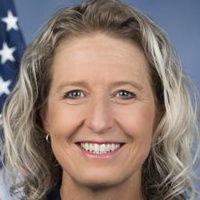
Jennifer Kiggans
Representative
VA
Jennifer Kiggans
Representative
VA
The Defense Shipyard Workforce Housing Act of 2025 mandates a Department of Defense study to assess the feasibility, costs, and benefits of providing housing for civilian workers at four key naval shipyards. This comprehensive review will examine options for building or leasing housing and its potential impact on recruitment and retention. The findings, including recommendations, must be reported to Congress within 18 months of enactment.
This resolution commemorates the victims of the 1989 Tiananmen Square massacre while condemning the Chinese Communist Party's ongoing suppression of human rights and freedoms in mainland China and Hong Kong.
Ami Bera
Representative
CA
Ami Bera
Representative
CA
This resolution formally condemns the Chinese Communist Party for the 1989 Tiananmen Square massacre and its ongoing crackdown on human rights and freedoms in mainland China and Hong Kong. It demands that the PRC cease censorship regarding the massacre and uphold its commitments to Hong Kong's autonomy. Furthermore, the resolution expresses solidarity with victims and calls for accountability regarding abuses in Xinjiang and the suppression of democracy.
This resolution urgently calls for the immediate delivery of humanitarian aid to address the severe hunger crisis in Gaza and demands the administration use all diplomatic means to secure hostage release and end the fighting.

Pramila Jayapal
Representative
WA
Pramila Jayapal
Representative
WA
This resolution formally expresses the House of Representatives' grave concern over the severe humanitarian crisis and widespread suffering of civilians in Gaza, alongside the plight of hostages. It urgently calls on the Administration to use all diplomatic tools to secure the release of all hostages. Furthermore, the bill demands the immediate delivery and secure distribution of essential humanitarian aid to address the catastrophic hunger crisis in Gaza.
The **Sustaining America’s Fisheries for the Future Act of 2025** comprehensively modernizes U.S. fisheries management by mandating climate resilience planning, supporting coastal communities, increasing transparency, advancing scientific data collection, and strengthening ecosystem-based conservation.
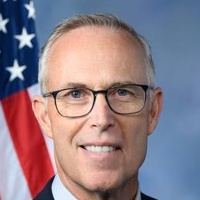
Jared Huffman
Representative
CA
Jared Huffman
Representative
CA
The Sustaining America’s Fisheries for the Future Act of 2025 is a comprehensive bill designed to modernize U.S. fisheries management by explicitly incorporating climate change resilience into all planning and decision-making. It strengthens support for fishing communities through new infrastructure grants and formal recognition of subsistence fishing, while significantly increasing transparency and Tribal representation on regional management councils. Finally, the Act mandates the modernization of scientific data collection through technology and tightens ecological standards for habitat protection and bycatch reduction.
This act mandates that FHA loan disclosures include comparable VA loan information and requires lenders to ask about military service on standard loan applications.
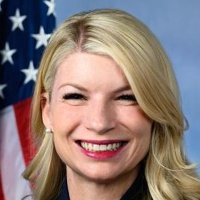
Brittany Pettersen
Representative
CO
Brittany Pettersen
Representative
CO
The VA Loan Informed Disclosure Act of 2025 (VALID Act) aims to increase awareness of VA loan options among homebuyers. It requires lenders to include comparative information about potential VA loan terms on standard FHA disclosure forms. Furthermore, the Act mandates that the Uniform Residential Loan Application include a prominent question regarding the applicant's military service.
This resolution officially designates the Friday before Memorial Day as National Poppy Day to honor veterans and encourage the wearing of the poppy as a symbol of remembrance.

André Carson
Representative
IN
André Carson
Representative
IN
This resolution officially designates the Friday before Memorial Day as **National Poppy Day** to honor U.S. veterans. It recognizes the poppy as a long-standing symbol of remembrance for those who died in service, inspired by World War I. The bill encourages all citizens to wear a red poppy on this day to show appreciation for our fallen service members.