This act reinstates criminal penalties for individuals who charge unauthorized fees to veterans for assisting with claims for VA benefits.
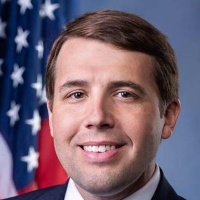
Chris Pappas
Representative
NH-1
The GUARD VA Benefits Act establishes criminal penalties for individuals who charge veterans unauthorized fees for assisting with claims for benefits administered by the Department of Veterans Affairs. This legislation amends existing law to prohibit soliciting, contracting for, or receiving compensation for preparing or prosecuting VA benefit claims, except where explicitly authorized by other statutes.
GUARD VA Benefits Act Reinstates Criminal Fines for Charging Veterans Unauthorized Claims Fees
The GUARD VA Benefits Act is a direct response to a growing trend of 'claim sharks' who charge veterans high fees to help them file for the benefits they earned. The bill amends Section 5905 of Title 38 to make it a criminal offense to solicit, contract for, or receive any unauthorized compensation for assisting a veteran with the preparation, presentation, or prosecution of a VA claim. By establishing these criminal penalties, the bill aims to shut down unaccredited consultants who often take a significant cut of a veteran's back pay or monthly disability checks.
Locking the Door on Predatory Fees
Under this legislation, anyone attempting to charge a veteran for help with their initial claim could face fines under Title 18 of the U.S. Code. For example, if a retired service member is looking to file for a service-connected knee injury, they shouldn't have to worry about a consultant demanding thousands of dollars upfront or a percentage of their future benefits. The bill ensures that the default for claims assistance is free, provided by accredited Veteran Service Officers (VSOs) or authorized attorneys who follow strict fee caps. By putting teeth back into the law, it creates a clear legal boundary that protects a veteran's financial stability from being eroded by high-cost, unaccredited middle-men.
Knowing the Exceptions
While the bill is designed to be a shield, it does maintain specific legal pathways for paid assistance. The prohibition does not apply to fees already authorized under Section 5904 or Section 1984 of Title 38. Generally, this means that while initial claims help must be free, accredited attorneys and agents can still charge fees in specific circumstances, such as when a veteran is appealing a denied claim. This distinction is crucial for a veteran who might need a specialized lawyer for a complex legal battle after an initial rejection. The goal isn't to eliminate professional legal help, but to ensure that anyone getting paid is actually vetted and authorized by the VA to do so.
Real-World Accountability
The impact here falls squarely on the 'consulting' industry that has popped up in the digital age. For a veteran working a 9-to-5 or a small business owner who doesn't have time to navigate the VA's bureaucracy, these unaccredited services can look like an easy shortcut. However, this bill highlights that such shortcuts now come with criminal liability for the provider. The challenge moving forward will be enforcement—ensuring that the Department of Justice and the VA actually track down these unauthorized actors. For the average veteran, this bill serves as a reminder: if someone is asking for a cut of your benefits to file your paperwork, they are likely breaking the law.