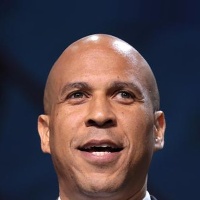
Legislative Activity
Track Cory's sponsored bills, co-sponsored legislation, and voting record
The 21st Century Dyslexia Act amends the Individuals with Disabilities Education Act (IDEA) to explicitly recognize dyslexia as a covered disability and ensure equitable access to educational accommodations for all students.

Bill Cassidy
Senator
LA
Bill Cassidy
Senator
LA
The 21st Century Dyslexia Act amends the Individuals with Disabilities Education Act (IDEA) to explicitly recognize dyslexia as a specific learning disability. This legislation establishes a formal definition of dyslexia and mandates equal access to educational accommodations and services for all eligible students, regardless of their socioeconomic or linguistic background.
This Act strengthens federal protections for domestic violence survivors by closing loopholes to prevent abusive dating partners and individuals subject to temporary restraining orders from purchasing or possessing firearms.

Richard Blumenthal
Senator
CT
Richard Blumenthal
Senator
CT
The Lori Jackson-Nicolette Elias Domestic Violence Survivor Protection Act strengthens federal law by closing loopholes that allow abusive dating partners and individuals subject to emergency protective orders to possess firearms. The bill expands the definition of prohibited domestic abusers and establishes a federal grant program to assist state, tribal, and local governments in the safe removal and storage of firearms from those under domestic violence restraining orders. By setting a national standard, this legislation aims to reduce intimate partner homicides and enhance protections for survivors of domestic violence.
This bill mandates gender-neutral occupational standards across the Armed Forces, prohibits gender-based assignment exclusions, and requires enhanced congressional oversight and reporting on military performance standards and operational effectiveness.

Mazie Hirono
Senator
HI
Mazie Hirono
Senator
HI
This bill mandates gender-neutral standards for all occupational specialties and assignments across the U.S. Armed Forces, prohibiting gender-based exclusions. It establishes rigorous, science-based performance requirements and increases transparency through enhanced annual reporting and congressional oversight. Additionally, the legislation requires the Department of Defense to provide Congress with comprehensive, unredacted reviews regarding the operational effectiveness of ground combat units.
The ASSET Act promotes financial stability for low-income families by eliminating asset-based eligibility limits for TANF, SNAP, and LIHEAP, while increasing and indexing resource limits for SSI.

Christopher Coons
Senator
DE
Christopher Coons
Senator
DE
The ASSET Act aims to improve financial security for low-income families by eliminating restrictive asset limits in key public assistance programs, including TANF, SNAP, and LIHEAP. By removing these barriers, the bill allows families to build savings without risking their eligibility for essential support. Additionally, the Act significantly raises and indexes resource limits for Supplemental Security Income (SSI) to keep pace with inflation.
The Tracking Plastic Act of 2026 establishes a federal working group to develop standardized methods for measuring, tracking, and increasing the use of recycled plastic content across key industrial sectors.
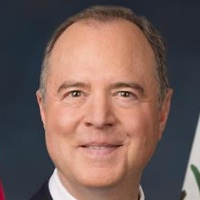
Adam Schiff
Senator
CA
Adam Schiff
Senator
CA
The Tracking Plastic Act of 2026 establishes a federal working group tasked with developing standardized methods for measuring, tracking, and reporting recycled plastic content across key industries. By coordinating with diverse stakeholders, the group aims to increase the use of post-consumer resin and harmonize recycling data systems. This initiative will provide Congress with annual reports to improve domestic market capacity and enhance the traceability of plastic materials.
This resolution designates July 2026 as "American Grown Flower and Foliage Month" to celebrate domestic farmers and encourage the purchase of U.S.-grown floral products.

Alejandro Padilla
Senator
CA
Alejandro Padilla
Senator
CA
This resolution designates July 2026 as "American Grown Flower and Foliage Month" to celebrate the vital contributions of domestic floral farmers to the U.S. economy. It encourages consumers to support local agriculture and small businesses by choosing flowers and foliage grown within the United States.
This resolution designates August 2–8, 2026, as "National Farmers Market Week" to celebrate the vital economic, health, and community contributions of farmers markets across the United States.
Alejandro Padilla
Senator
CA
Alejandro Padilla
Senator
CA
This resolution designates August 2 through August 8, 2026, as "National Farmers Market Week." It recognizes the vital role these markets play in supporting local economies, promoting sustainable agriculture, and improving community access to fresh, healthy food.
The Food Labeling Modernization Act of 2026 mandates comprehensive updates to food packaging, including front-of-package "high in" warnings, stricter ingredient disclosure, expanded allergen and gluten labeling, and new transparency requirements for online food sales.
Richard Blumenthal
Senator
CT
Richard Blumenthal
Senator
CT
The Food Labeling Modernization Act of 2026 mandates comprehensive updates to food packaging to help consumers make more informed, healthy dietary choices. The bill introduces mandatory front-of-package "high in" icons for nutrients like sugar and sodium, stricter definitions for terms like "natural," and enhanced disclosure requirements for allergens, gluten, and caffeine. Additionally, it requires online food retailers to provide full labeling information and establishes new formatting standards to improve the readability and transparency of ingredient lists.
This resolution commemorates June 19, 2026, as Juneteenth National Independence Day, honoring the historical significance of the end of slavery in the United States.

John Cornyn
Senator
TX
John Cornyn
Senator
TX
This resolution commemorates June 19, 2026, as "Juneteenth National Independence Day," honoring the historical significance of the end of slavery in the United States. It celebrates the resilience of African Americans and encourages nationwide reflection on the history and heritage that have shaped our democracy.
The Green New Deal for Health Act establishes a comprehensive federal framework to modernize healthcare infrastructure, decarbonize the medical sector, and strengthen community resilience against climate-related health threats.
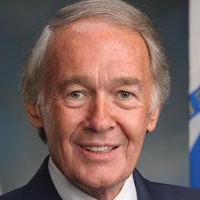
Edward Markey
Senator
MA
Edward Markey
Senator
MA
The Green New Deal for Health Act establishes a comprehensive federal strategy to protect public health from the impacts of climate change while decarbonizing the healthcare sector. The legislation invests in resilient medical infrastructure, expands the community health workforce, and mandates new protections to ensure equitable access to care, particularly for vulnerable and environmental justice communities. By integrating climate science into national health policy, the bill aims to create a more sustainable, prepared, and responsive healthcare system.
The Right to IVF Act of 2026 establishes a federal right to fertility treatments, mandates comprehensive insurance coverage for ART and IUI, and expands access to these services for veterans and federal employees.

Tammy Duckworth
Senator
IL
Tammy Duckworth
Senator
IL
The Right to IVF Act of 2026 establishes a federal right to access assisted reproductive technology (ART) and intrauterine insemination (IUI) by overriding restrictive state laws. The bill further expands family-building support by mandating comprehensive fertility coverage for military service members, veterans, federal employees, and those enrolled in private insurance, Medicare, or Medicaid. These measures aim to ensure equitable, affordable access to fertility treatments nationwide.
This resolution reaffirms the commitment to the Americans with Disabilities Act and the Olmstead decision by protecting the right of individuals with disabilities to live independently in their communities rather than in segregated institutions.

Andy Kim
Senator
NJ
Andy Kim
Senator
NJ
This resolution reaffirms the fundamental right of individuals with disabilities to live independently in their communities, as established by the Americans with Disabilities Act and the *Olmstead* decision. It condemns recent efforts to weaken integration mandates and calls on federal agencies to prioritize accessible housing, employment, and community-based services. Furthermore, the bill advocates for the protection of Medicaid funding and the removal of barriers to ensure full equality and self-sufficiency for all people with disabilities.
The Fair Seeds for Farmers Act restricts federal intellectual property protections for plants and prohibits restrictive contracts that limit seed saving, breeding, and agricultural research.

Elizabeth Warren
Senator
MA
Elizabeth Warren
Senator
MA
The Fair Seeds for Farmers Act restricts federal intellectual property protections for plants to specific existing statutes, preventing the use of broader patent laws to control plant materials. Additionally, the bill prohibits contractual clauses that restrict farmers and researchers from saving, breeding, or experimenting with seeds and plant germplasm. These measures aim to protect agricultural autonomy and ensure continued access to plant materials for research and propagation.
The Health Over Wealth Act establishes rigorous transparency, oversight, and accountability requirements for private equity and for-profit corporations in health care to protect patient access, quality of care, and workforce stability.
Edward Markey
Senator
MA
Edward Markey
Senator
MA
The Health Over Wealth Act establishes rigorous transparency, accountability, and oversight requirements for for-profit corporations and private equity firms that own or operate health care entities. The legislation mandates detailed financial reporting, creates a licensure system for private equity investment in health care, and imposes strict regulations on hospital closures and service reductions to protect patient access. Additionally, the bill reforms bankruptcy and tax laws to prevent asset stripping and ensure that financial interests do not compromise the quality or safety of essential health services.
This legislation establishes a regular biennial appointment schedule for Supreme Court justices and implements term-based limits on the number of justices eligible to hear appellate cases.

Sheldon Whitehouse
Senator
RI
Sheldon Whitehouse
Senator
RI
The Supreme Court Biennial Appointments and Term Limits Act of 2026 establishes a regularized appointment schedule, requiring the President to nominate one new Supreme Court justice every two years. The bill limits the Court to 18 total justices, with the nine most recently appointed members presiding over appellate cases. This legislation aims to create a predictable rotation for judicial appointments and modernize the structure of the Supreme Court.
The INSULIN Act of 2026 aims to lower healthcare costs by capping out-of-pocket insulin prices, increasing pharmacy benefit manager transparency, accelerating generic and biosimilar competition, and expanding access programs for the uninsured.

Jeanne Shaheen
Senator
NH
Jeanne Shaheen
Senator
NH
The Improving Needed Safeguards for Users of Lifesaving Insulin Now Act of 2026 aims to lower insulin costs by capping out-of-pocket expenses for insured patients and increasing transparency for pharmacy benefit managers. The bill also fosters competition by accelerating the approval of generic and biosimilar drugs and establishes new support programs to provide affordable insulin access for uninsured individuals.
The Patients Deserve Price Tags Act mandates comprehensive price transparency for hospitals, laboratories, imaging centers, and health plans to ensure consumers have access to clear, standardized, and actionable cost information for healthcare services.

Roger Marshall
Senator
KS
Roger Marshall
Senator
KS
The **Patients Deserve Price Tags Act** aims to increase healthcare affordability by mandating comprehensive price transparency across hospitals, laboratories, imaging centers, and ambulatory surgical centers. The bill requires these providers and health insurance plans to publicly disclose negotiated rates, cash prices, and standard charges in standardized, machine-readable formats. Additionally, it empowers patients with real-time cost-estimation tools and requires providers to issue detailed, itemized bills before initiating any collection actions.
This resolution recognizes July 21, 2026, as Black Women’s Equal Pay Day to highlight the persistent wage gap and reaffirm a commitment to achieving pay equity.

Lisa Blunt Rochester
Senator
DE
Lisa Blunt Rochester
Senator
DE
This resolution recognizes July 21, 2026, as Black Women’s Equal Pay Day to highlight the persistent and significant wage gap between Black women and white, non-Hispanic men. It details the economic impact of this disparity and reaffirms Congress's commitment to achieving pay equity through systemic change.
The MediKids Act establishes a federally funded, nationwide Medicaid eligibility category for all individuals under age 26, featuring automatic enrollment at birth, continuous coverage, and expanded access regardless of immigration status.
Andy Kim
Senator
NJ
Andy Kim
Senator
NJ
The MediKids Act establishes a nationwide Medicaid eligibility category for all individuals under age 26, ensuring comprehensive health coverage regardless of immigration status. The bill mandates automatic enrollment at birth, provides continuous eligibility, and guarantees full federal funding for states. Additionally, it expands access to essential pediatric services and exempts all young adults from work or community engagement requirements.
This bill expands Tribal access to CDC public health emergency preparedness funding by establishing a dedicated set-aside, providing administrative flexibility, and mandating Tribal consultation and reporting.
Elizabeth Warren
Senator
MA
Elizabeth Warren
Senator
MA
The CDC Tribal Public Health Security and Preparedness Act amends the Public Health Service Act to formally include Indian Tribes and Tribal organizations as eligible entities for federal public health emergency preparedness funding. The bill authorizes $750 million annually for this program, with a dedicated 5% set-aside for Tribal entities and exemptions from traditional matching-fund requirements. Additionally, it mandates federal consultation with Tribal leaders to ensure program flexibility and requires a comprehensive report to Congress on the effectiveness of Tribal implementation.