This resolution designates December 2, 2025, as World Nuclear Energy Day to recognize the historical, economic, and national security contributions of nuclear energy.
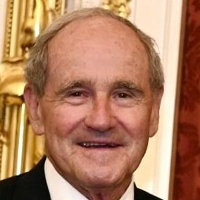
James Risch
Senator
ID
This resolution officially designates December 2, 2025, as "World Nuclear Energy Day." It recognizes the historical milestones and significant contributions of nuclear energy to the U.S. economy, national security, and carbon-free electricity generation. The resolution celebrates the innovators in the field and encourages continued global cooperation in advancing safe nuclear technology.
Congress Designates December 2, 2025, as 'World Nuclear Energy Day'
This resolution formally recognizes December 2, 2025, as "World Nuclear Energy Day." It’s essentially a high-five from Congress to the nuclear energy sector, celebrating its past and present contributions to the nation. The date is a nod to two significant historical milestones: the first controlled nuclear chain reaction in 1942 and the start of the first commercial nuclear power plant in 1957 (Section 2, Findings).
The Nuclear Scorecard: What Congress is Recognizing
The resolution isn't just about picking a date; it’s packed with specific facts about nuclear power's role in the U.S. economy and energy grid. For those of us keeping an eye on our electric bills and carbon footprint, the bill highlights that nuclear energy generates nearly 18% of the country’s total electricity. Even more significant, it accounts for 43% of all carbon-free electricity produced in the nation (Section 2, Findings).
Beyond keeping the lights on cleanly, the resolution notes the industry’s economic muscle. It directly employs over 70,000 people and supports more than 180,000 secondary jobs. It also contributes an estimated $63.8 billion annually to the U.S. gross domestic product. Think about the engineers, technicians, and specialized supply chain workers—this resolution is recognizing their impact, which extends far beyond the plant gates.
Grid Security and Global Influence
One key finding focuses on national security, noting that nuclear energy is vital for supporting the largest nuclear-powered Navy in the world, which relies on the same commercial supply chain (Section 2, Findings). This connection means that a robust civilian nuclear sector isn't just about cheap power; it’s a strategic asset. Furthermore, the resolution praises nuclear power for promoting grid security and reliability because it’s a continuous, low-cost power source that is resilient during adverse weather events.
Since this is a resolution, not a law, there are no new regulations, funding changes, or mandates attached. It simply encourages continued cooperation, both domestically and internationally, in the research, development, and implementation of nuclear energy technologies (Section 3). Essentially, it’s a formal statement of support for the industry, honoring the scientists and innovators who work in the field and encouraging future growth.