Legislative Activity
Track Lauren's sponsored bills, co-sponsored legislation, and voting record
This bill prohibits non-citizens from voting in District of Columbia elections and repeals the Local Resident Voting Rights Amendment Act of 2022.
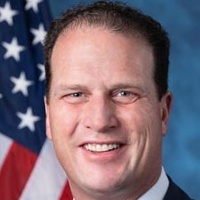
August Pfluger
Representative
TX
August Pfluger
Representative
TX
This bill prohibits non-U.S. citizens from voting in any election in the District of Columbia. It also repeals the Local Resident Voting Rights Amendment Act of 2022, effectively reverting D.C. voting eligibility rules to their pre-2022 status.
This Act penalizes jurisdictions that restrict cooperation between local law enforcement and federal immigration officials by making them ineligible for certain federal development funds.
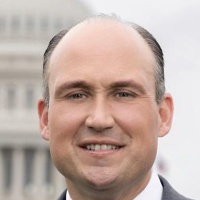
Nicholas Langworthy
Representative
NY
Nicholas Langworthy
Representative
NY
The Stop Dangerous Sanctuary Cities Act aims to penalize jurisdictions that limit cooperation with federal immigration enforcement. It defines "sanctuary jurisdictions" as those that refuse to honor detainer requests or share immigration information, with an exception for protecting crime victims and witnesses. Furthermore, the bill makes these designated sanctuary jurisdictions ineligible for specific federal development and community improvement funds, such as EDA grants and CDBG funds. Cooperating local officers are granted liability protection when honoring valid federal detainer requests.
This bill repeals the Freedom of Access to Clinic Entrances (FACE) Act, effectively removing federal criminal penalties for obstructing access to reproductive health clinics.
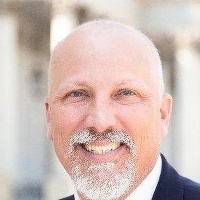
Chip Roy
Representative
TX
Chip Roy
Representative
TX
The FACE Act Repeal Act of 2025 seeks to eliminate federal protections that currently prohibit the obstruction of reproductive health clinic entrances, the use of force or threats against patients and providers, and the intentional damage of clinic property. If enacted, this legislation would immediately repeal these federal criminal prohibitions and apply to all pending or future prosecutions.
This resolution strongly condemns the rise in ideologically motivated attacks against Jewish individuals in the U.S., including the recent Boulder assault, and reaffirms the House's commitment to combating antisemitism and political violence.
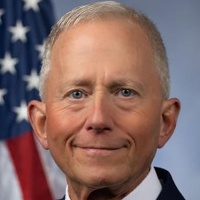
Jefferson Van Drew
Representative
NJ
Jefferson Van Drew
Representative
NJ
This resolution strongly condemns the recent rise in ideologically motivated attacks targeting Jewish individuals and institutions across the United States, including the violent assault in Boulder, Colorado. The House of Representatives reaffirms its commitment to combating antisemitism and politically motivated violence in all its forms. It calls for thorough investigation and prosecution of such incidents and urges all sectors of society to speak out against hate.
This resolution denounces the antisemitic terrorist attack in Boulder, Colorado, and calls for stronger visa vetting and enforcement against illegal immigration following the incident.
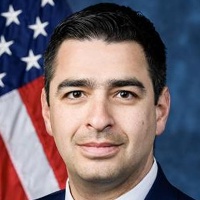
Gabe Evans
Representative
CO
Gabe Evans
Representative
CO
This resolution formally condemns the antisemitic terrorist attack in Boulder, Colorado, carried out by an individual who was in the U.S. illegally. It uses this incident to call for stricter vetting of visa applicants and the swift removal of aliens who violate their visa terms. Furthermore, the bill emphasizes the critical importance of communication between federal and local law enforcement agencies to prevent future acts of terrorism.
This resolution denounces the antisemitic terrorist attack in Boulder, Colorado, and calls for stricter immigration enforcement and cooperation between federal and state law enforcement.
Gabe Evans
Representative
CO
Gabe Evans
Representative
CO
This resolution formally denounces the antisemitic terrorist attack in Boulder, Colorado, carried out by an individual who entered the U.S. illegally. It uses this event to emphasize the critical need for stricter vetting of visa applicants and improved cooperation between state and federal law enforcement agencies. The bill also specifically criticizes Colorado's sanctuary state laws for hindering immigration enforcement efforts. Ultimately, it affirms the importance of open communication between all levels of law enforcement to prevent future acts of terrorism.
The EMS Counts Act mandates the Department of Labor to accurately classify dual-role firefighter-EMTs and firefighter-paramedics in federal occupational statistics to ensure proper resource allocation for emergency services.
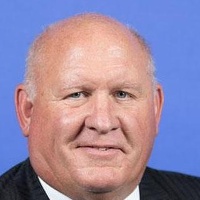
Glenn Thompson
Representative
PA
Glenn Thompson
Representative
PA
The EMS Counts Act addresses the critical undercounting of Emergency Medical Services (EMS) personnel by the Bureau of Labor Statistics. This bill mandates that the Secretary of Labor update occupational classifications to explicitly recognize dual-role firefighter-EMTs and firefighter-paramedics. By accurately counting all EMS practitioners, this legislation aims to improve federal planning for emergency response and disaster preparedness.
The Do or Dye Act bans the use of specific artificial food color additives in food products starting in 2025 and 2026, deeming food containing them adulterated.
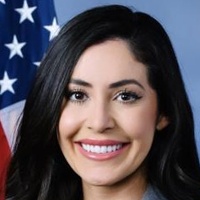
Anna Luna
Representative
FL
Anna Luna
Representative
FL
The Do or Dye Act mandates the removal of specific artificial color additives from the U.S. food supply. Starting in late 2025, "qualified color additives" will be banned from food, followed by a ban on "covered color additives" like Red No. 40 and Yellow No. 5 by the end of 2026. Foods containing these prohibited colors after the respective deadlines will be deemed adulterated under federal law.
This bill nullifies certain immigration benefits and bars entry, parole, asylum, and refugee status for individuals who habitually resided in Palestinian-administered territories or hold Palestinian Authority travel documents.
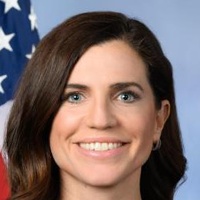
Nancy Mace
Representative
SC
Nancy Mace
Representative
SC
The No Amnesty for Hamas Sympathizers Act seeks to prohibit various immigration benefits for individuals who habitually resided in the Palestinian-administered territories of Judea and Samaria or Gaza, or who hold Palestinian Authority travel documents. This bill voids recent executive actions granting deferred departure status to certain Palestinians. Furthermore, it bars these individuals from receiving Temporary Protected Status, parole, asylum, or refugee status. The legislation also establishes grounds for inadmissibility and deportability based on residency in these territories or possession of Palestinian Authority documents.
This resolution expresses support for designating the month of July as "American Patriotism Month" to honor the nation's history, values, and sacrifices.
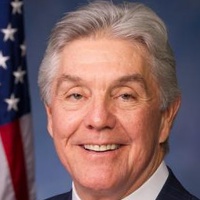
Roger Williams
Representative
TX
Roger Williams
Representative
TX
This resolution expresses support for officially designating the month of July as "American Patriotism Month." It recognizes the historical significance of American patriotism and encourages citizens and groups to observe the month with appropriate ceremonies celebrating U.S. history and values. The bill further asks the President to issue a yearly proclamation supporting this designation.
This act mandates the creation of a real-time, exclusive online portal for Members of Congress to access detailed federal award and spending information, including payments to individuals.
Chip Roy
Representative
TX
Chip Roy
Representative
TX
The Make DOGE Permanent Act mandates the creation of a special, real-time access portal for members of Congress to view federal award spending data. This exclusive access will provide Congress with the latest information, including details on payments made to individuals and federal employees, which may be restricted on the public website. The Office of Management and Budget (OMB) must establish this dedicated link within six months of the bill's enactment.
This bill restricts the Secretary of Homeland Security's authority to grant immigration parole to a case-by-case basis for urgent humanitarian reasons or significant public benefit, imposes annual caps, and allows states to sue over perceived abuses.
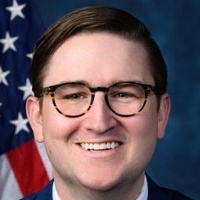
Addison McDowell
Representative
NC
Addison McDowell
Representative
NC
This bill, the Preventing the Abuse of Immigration Parole Act, aims to drastically restrict the Secretary of Homeland Security's authority to grant immigration parole. It mandates that parole decisions must be made strictly on a case-by-case basis for urgent humanitarian reasons or significant public benefit. Furthermore, the legislation imposes an annual cap on parole grants starting in FY 2029 and grants states the authority to sue the Secretary over perceived misuse of this authority.
The New IDEA Act prohibits businesses from deducting wages paid to unauthorized workers unless they use the E-Verify program, while also making E-Verify permanent and voluntary with new employer protections.
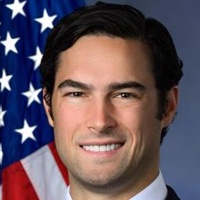
Brandon Gill
Representative
TX
Brandon Gill
Representative
TX
The New IDEA Act prohibits businesses from deducting wages paid to unauthorized workers from their taxable income unless they use the E-Verify program. This legislation makes the E-Verify program permanent and voluntary, offering employers who comply with its rules a legal presumption of compliance regarding employee work authorization. Furthermore, the bill mandates increased information sharing between government agencies to help enforce these new wage deduction and employment verification rules.
This bill establishes federal criminal penalties for performing gender transition procedures on minors, with specific exceptions for certain medical conditions.
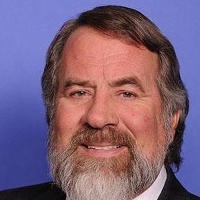
Doug LaMalfa
Representative
CA
Doug LaMalfa
Representative
CA
The Protecting Children from Experimentation Act of 2025 establishes a new federal crime prohibiting healthcare professionals from performing specific gender transition procedures on minors under 18. This bill imposes criminal penalties, including fines and imprisonment, for violations connected to interstate commerce. Minors subjected to these procedures are explicitly protected from prosecution and granted the right to sue those involved. The Act broadly defines banned procedures, including the use of puberty blockers, cross-sex hormones, and various surgeries, while carving out exceptions for certain medical conditions and life-saving measures.
This bill establishes a Select Committee to investigate alleged cover-ups regarding President Biden's cognitive and physical health, past cancer diagnosis, and related matters, with a final report due by December 31, 2025.
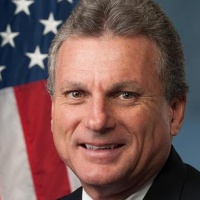
Earl Carter
Representative
GA
Earl Carter
Representative
GA
This bill establishes a Select Committee tasked with investigating allegations of a cover-up regarding President Biden's cognitive and physical health decline. The committee will examine the President's health status, past cancer diagnosis, the role of key individuals in any alleged concealment, and media influence. This investigative body has no legislative authority and must submit its final report, findings, and recommendations by December 31, 2025.
This Act establishes a pilot program for law enforcement to test drones equipped only with non-lethal tools for responding to active shooter situations.
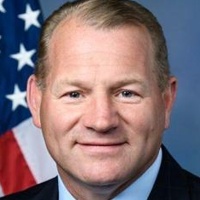
Troy Nehls
Representative
TX
Troy Nehls
Representative
TX
The Deescalation Drone Pilot Program Act of 2025 establishes a pilot program managed by the FAA for law enforcement to test drones equipped only with non-lethal tools during active shooter events. This initiative aims to assess the safety, training, and effectiveness of using these specialized drones to keep officers at a safer distance. Following the testing phase, the FAA must create a formal rulemaking process to allow agencies nationwide to seek approval for using these domestically manufactured, non-lethal drones.
This resolution condemns former FBI Director James Comey for allegedly inciting violence against President Trump through a cryptic social media post and demands an investigation and his permanent barring from federal employment.
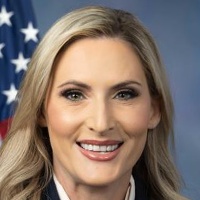
Laurel Lee
Representative
FL
Laurel Lee
Representative
FL
This resolution strongly condemns former FBI Director James Comey for a social media post interpreted as inciting violence against President Donald J. Trump during his overseas trip. Congress demands that federal authorities investigate Comey's actions and permanently bar him from any future federal employment. The measure asserts that political violence incitement by former high-ranking officials is unacceptable and threatens national security.
This bill officially renames the United States Postal Service facility in Evans, Colorado, as the "Deputy Samuel Kent Brownlee Post Office."
Gabe Evans
Representative
CO
Gabe Evans
Representative
CO
This bill officially renames the United States Postal Service facility located at 3344 11th Avenue in Evans, Colorado. The facility will now be known as the "Deputy Samuel Kent Brownlee Post Office." This action ensures the building is formally recognized under its new designation.
This bill phases out the enhanced federal funding match for Medicaid coverage provided to low-income adults between 2027 and 2034, while establishing new rules for states that have not yet expanded Medicaid.
Chip Roy
Representative
TX
Chip Roy
Representative
TX
The Ending Medicaid Discrimination Against the Most Vulnerable Act modifies the enhanced federal funding structure for Medicaid coverage provided to low-income adults. This bill establishes a gradual phase-out of the enhanced Federal Medical Assistance Percentage (FMAP) between 2027 and 2034, with the extra funding ending entirely in 2035. Furthermore, the legislation alters the incentives for states that have not yet expanded Medicaid coverage, potentially limiting future enhanced funding for those states if they expand after 2024.
This bill prohibits the issuance of F and M student visas to individuals planning to attend educational institutions located within designated "sanctuary jurisdictions."
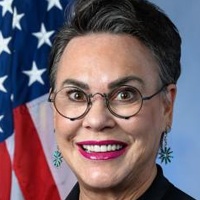
Harriet Hageman
Representative
WY
Harriet Hageman
Representative
WY
This Act prohibits the issuance of F and M student visas to individuals planning to attend educational institutions located within designated "sanctuary jurisdictions." A sanctuary jurisdiction is defined as any state or local government that actively obstructs federal immigration enforcement efforts, such as refusing to comply with ICE detainers. The visa restrictions remain in place until the Secretary of Homeland Security determines the jurisdiction is no longer impeding immigration enforcement.